
Contents
Overview
The seismic event that would become known as the 2015 Nepal earthquake, or the Gorkha earthquake, was the culmination of tectonic forces building along the Himalayan fault line. For decades, geologists had warned of the immense pressure accumulating between the Indian Plate and the Eurasian Plate. The main shock struck on April 25, 2015. Its shallow depth meant that the seismic energy was released very close to the surface, amplifying its destructive potential. This event was the most catastrophic natural disaster to strike Nepal since the devastating 1934 Nepal–India earthquake, underscoring the region's persistent seismic vulnerability.
⚙️ How It Works
The 2015 Nepal earthquake was a result of the collision between the Indian and Eurasian tectonic plates, a process that has been building the Himalayas over millions of years. Specifically, the earthquake occurred as a thrust fault event, where the Indian plate is subducting beneath the Eurasian plate. The rupture initiated approximately 85 km (53 mi) northwest of Kathmandu in the Gorkha District and propagated eastward. The magnitude 7.8 (Mw) event generated significant ground acceleration, particularly in the low-frequency range, which proved destructive to buildings not designed to withstand such forces. The earthquake's shallow hypocenter and the specific frequency of the seismic waves contributed to the widespread damage, even in areas where the peak ground acceleration might not have been the highest.
📊 Key Facts & Numbers
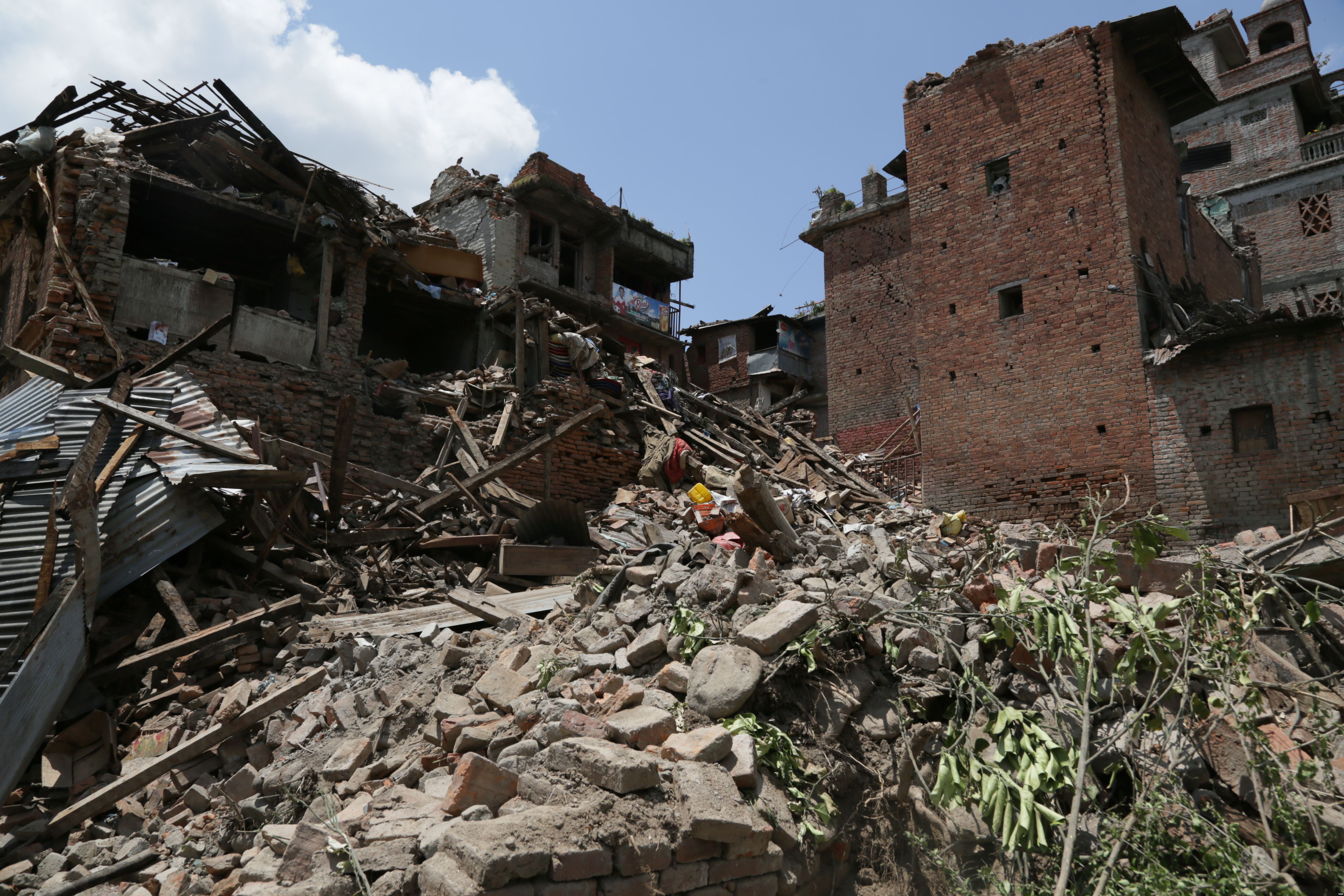
The 2015 Nepal earthquake registered a moment magnitude of 7.8 (Mw) and a maximum Mercalli Intensity of X (Extreme). The disaster claimed 8,962 lives and left 21,952 injured across Nepal, India, China, and Bangladesh. In Nepal alone, over 600,000 homes were destroyed and more than 280,000 damaged. The economic impact was staggering, with an estimated $10 billion in damages and reconstruction costs, representing about half of Nepal's GDP at the time. The earthquake triggered an avalanche on Mount Everest that killed 22 people, making it the deadliest incident on the mountain to date, surpassing the 2014 Mount Everest avalanche.
👥 Key People & Organizations
The immediate aftermath saw a massive mobilization of resources from national and international entities. The Government of Nepal coordinated rescue and relief efforts, often in conjunction with the United Nations and numerous non-governmental organizations (NGOs) such as The Red Cross and Médecins Sans Frontières (MSF). International search and rescue teams from countries like the United States, India, and China were deployed. Key figures in the scientific community, including seismologists from the United States Geological Survey (USGS), provided critical data and analysis. The World Bank and the Asian Development Bank played significant roles in assessing damage and pledging financial aid for reconstruction.
🌍 Cultural Impact & Influence
The 2015 Nepal earthquake left an indelible mark on Nepal's cultural and physical landscape. Iconic heritage sites, including Pashupatinath Temple and the Kathmandu Durbar Square, suffered extensive damage, highlighting the vulnerability of historical architecture to seismic events. The disaster also spurred a global outpouring of solidarity, with widespread media coverage and fundraising campaigns. The event underscored the importance of disaster preparedness and resilient infrastructure, influencing urban planning and building codes not only in Nepal but also in other seismically active regions worldwide. The collective trauma and the subsequent rebuilding efforts have become a significant part of contemporary Nepali culture.
⚡ Current State & Latest Developments
In the years following the 2015 earthquake, Nepal has focused on rebuilding and enhancing its resilience. While significant progress has been made in reconstructing homes and public buildings, challenges remain, particularly in remote areas. The National Reconstruction Authority was established to oversee the rebuilding process, though its effectiveness has been debated. Efforts have been made to improve seismic building codes and public awareness campaigns for disaster preparedness. Ongoing seismic monitoring by institutions like the National Seismological Centre continues to track aftershocks and potential future seismic activity, with the understanding that the region remains highly active.
🤔 Controversies & Debates
The distribution of international aid following the 2015 Nepal earthquake became a significant point of contention. While billions of dollars were pledged, critics and victims' families raised concerns about the slow pace of aid disbursement. Allegations of corruption and mismanagement surfaced, leading to a controversy over aid distribution. Furthermore, the debate continues regarding the long-term sustainability of reconstruction efforts and whether the rebuilding has adequately addressed the underlying vulnerabilities that made the initial impact so severe, particularly concerning informal settlements and rural infrastructure.
🔮 Future Outlook & Predictions
The 2015 Nepal earthquake serves as a stark reminder of the ongoing seismic risk in the Himalayan region. The continued convergence of the Indian Plate and the Eurasian Plate means future large-magnitude earthquakes are possible. The focus moving forward will likely be on enhancing early warning systems, improving building resilience through stricter codes and retrofitting, and developing more robust disaster response mechanisms. The potential for future quakes, possibly even larger than the 2015 event, necessitates continuous investment in seismic research and preparedness by the Government of Nepal and international partners.
💡 Practical Applications
The 2015 Nepal earthquake has spurred advancements in several practical applications related to disaster management and seismic engineering. The extensive damage provided invaluable data for seismic engineering research, leading to improved understanding of building performance under extreme seismic loads. This data informs the design of more resilient structures in earthquake-prone zones globally. Furthermore, the challenges faced in coordinating the massive international aid response highlighted the need for better disaster-response technologies, including improved communication systems, real-time damage assessment tools using satellite imagery and GIS, and more efficient logistics for delivering aid. The event also spurred greater public engagement with earthquake preparedness initiatives.
Key Facts
- Category
- event
- Type
- event