
Contents
Overview
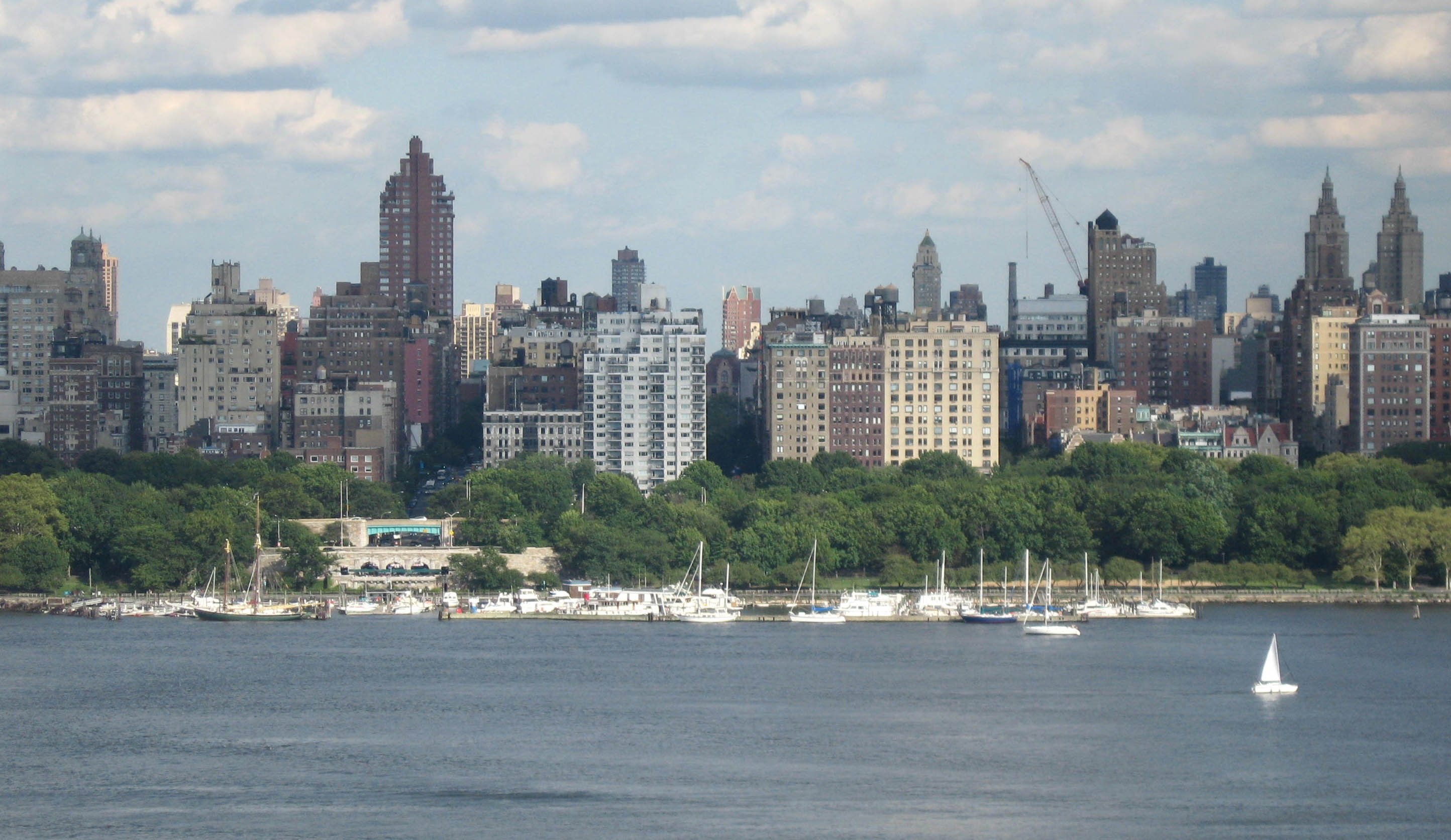
The concept of a public marina at 79th Street began to take shape in the mid-20th century, a period when New York City was grappling with its relationship to its extensive waterfront. Its unique selling proposition from early on was its capacity to accommodate boats year-round, a rarity that quickly established it as a haven for those seeking a maritime lifestyle within the dense urban fabric. Architect Edward Larrabee Barnes is credited with the design of the notable 79th Street Rotunda, further cementing the basin's architectural identity and its role as a public amenity.
⚙️ How It Works
The 79th Street Boat Basin operates as a municipal marina, managed by the NYC Department of Parks and Recreation. Its primary function is to provide mooring for recreational and residential vessels. The marina's infrastructure includes docks, pilings, and utility hookups for electricity and water, though sewage pump-out facilities are also a critical component for maintaining environmental standards on the Hudson River. The basin's design allows for a significant number of slips, accommodating a diverse range of boat sizes. Crucially, its designation as a year-round residential marina means it must contend with the challenges of winterization, ice management, and continuous maintenance to ensure the safety and habitability of the houseboats moored there.
📊 Key Facts & Numbers
The 79th Street Boat Basin has fostered a distinct community culture, where residents share a common bond over their unique lifestyle on the Hudson River. The basin has been featured in various media, from documentaries exploring urban subcultures to news reports highlighting its resilience and challenges. Its architectural landmark, the 79th Street Rotunda, has also contributed to its cultural cachet, appearing in photography and urban exploration circles. The basin's existence challenges conventional notions of housing and community, demonstrating that a vibrant social ecosystem can thrive even in the most unconventional of settings.
👥 Key People & Organizations
As of July 2024, the 79th Street Boat Basin remains closed for extensive reconstruction. The extended closure has reportedly impacted the resident community, many of whom have been displaced or are awaiting the marina's reopening. Delays have been attributed to complex engineering challenges and funding adjustments, pushing the projected completion date further into the future, with no firm reopening date yet announced.
🌍 Cultural Impact & Influence
The prolonged closure and renovation of the 79th Street Boat Basin have ignited debates regarding the management of public waterfront assets and the prioritization of infrastructure projects in New York City. Critics question the extended timeline and the substantial costs associated with the renovation, particularly given the impact on the displaced houseboat residents. There are ongoing discussions about the future capacity and accessibility of the marina post-renovation, with some advocating for increased capacity and others concerned about potential increases in mooring fees that could price out long-term residents. The environmental impact of maintaining a marina on the Hudson River, including waste management and potential pollution, is also a recurring point of discussion among environmental groups and city officials.
⚡ Current State & Latest Developments
The future of the 79th Street Boat Basin hinges on the successful completion of its ongoing renovation. Projections suggest that once reopened, the marina will feature modernized docks, improved utility systems, and potentially enhanced public access to the waterfront, possibly including revitalized amenities around the 79th Street Rotunda. However, the extended delays raise questions about the efficiency of public infrastructure projects and the long-term sustainability of such unique urban living arrangements. Future developments may also involve exploring more sustainable technologies for marina operations, in line with broader environmental goals for the Hudson River.
🤔 Controversies & Debates
The primary practical application of the 79th Street Boat Basin is its function as a residential marina, providing a unique housing solution for individuals and families in New York City. Beyond housing, it serves as a hub for recreational boating, offering access to the Hudson River for sailing, motorboating, and other water-based activities. The 79th Street Rotunda itself has historically served as a public gathering space and a viewpoint, offering panoramic vistas of the river and the New Jersey skyline. For urban planners and architects, the basin represents a case study in integrating maritime infrastructure with public parkland and exploring alternative urban development models.
🔮 Future Outlook & Predictions
The 79th Street Boat Basin is intrinsically linked to the broader history of Riverside Park and the development of Manhattan's waterfront. Its existence highlights the concept of alternative housing and the unique subcultures that can emerge in urban environments. Discussions around its renovation and management touch upon issues of urban planning and the challenges of maintaining aging public infrastructure. For those interested in maritime life, it connects to the wider world of marinas and houseboats globally. The architectural significance of the 79th Street Rotunda also places it within the context of mid-century modern architecture in New York City.
Key Facts
- Category
- places
- Type
- place