
Contents
Overview
The understanding of acne stretches back millennia, with ancient physicians like Hippocrates documenting skin ailments that likely included acne vulgaris. The term 'acne' itself derives from the Greek word 'akmē,' meaning 'point' or 'peak,' perhaps referring to the eruption of pimples. Early treatments were rudimentary, often involving poultices and dietary restrictions. By the late 19th and early 20th centuries, medical science began to unravel the biological underpinnings, with researchers like Paul Gerson Unna identifying the role of the sebaceous gland and the bacterium C. acnes (then known as Propionibacterium acnes). The advent of antibiotics in the mid-20th century, followed by the development of topical retinoids and oral isotretinoin in the latter half of the century, marked significant therapeutic advancements, transforming acne from a potentially scarring, persistent condition into one that could be effectively managed for the vast majority of sufferers.
⚙️ How It Works
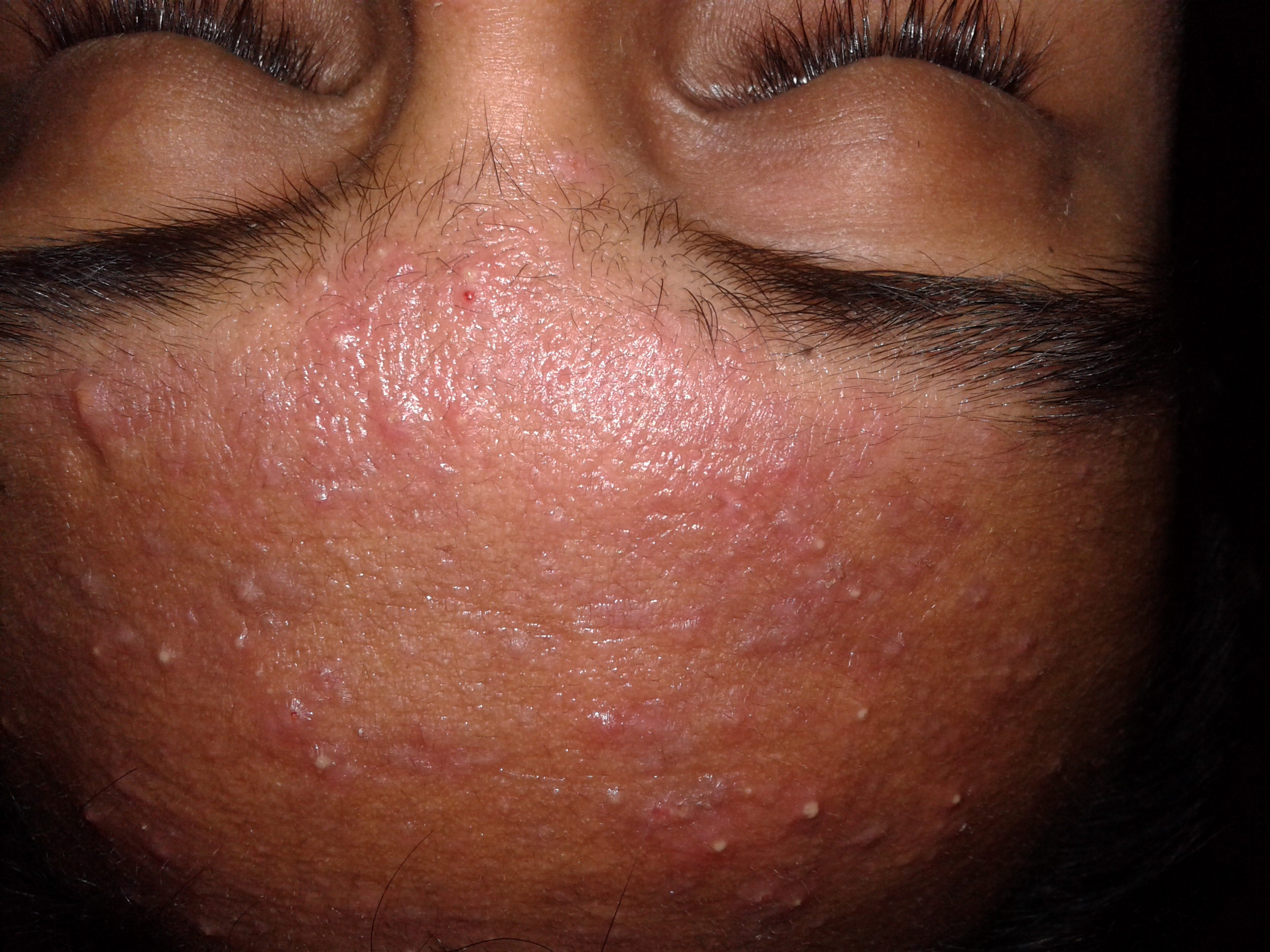
Cutibacterium acnes is an anaerobic bacterium normally present on the skin. Androgens, such as testosterone and dihydrotestosterone, stimulate the sebaceous glands to produce excess sebum. This cascade results in the characteristic lesions of acne, ranging from non-inflammatory comedones (blackheads and whiteheads) to inflammatory papules, pustules, nodules, and cysts.
📊 Key Facts & Numbers
Acne is the most common skin condition encountered in primary care and dermatology.
👥 Key People & Organizations
Key figures in understanding and treating acne include Albert Kligman, a dermatologist who pioneered research into topical retinoids, particularly tretinoin (Retin-A), in the 1960s, revolutionizing topical acne therapy. James J. Leyden, MD, a dermatologist and researcher, has made significant contributions to understanding the role of C. acnes and developing new antimicrobial treatments. Pharmaceutical giants like Galderma, Bayer AG, and Johnson & Johnson are major players in the development and marketing of acne medications, while organizations like the American Academy of Dermatology (AAD) provide patient education and advocate for research funding. The U.S. Food and Drug Administration (FDA) plays a crucial role in approving new acne treatments.
🌍 Cultural Impact & Influence
Acne vulgaris carries a substantial cultural weight, often stigmatizing individuals, particularly during adolescence, a critical period for social development. The visual impact of acne can lead to significant psychological distress, including low self-esteem, social withdrawal, and anxiety, as documented in numerous psychological studies. Media portrayals, while sometimes evolving, have historically depicted acne as a sign of uncleanliness or immaturity, further fueling stigma. Conversely, the rise of social media platforms like Instagram and TikTok has fostered online communities where individuals share experiences, treatment journeys, and advocate for greater understanding and acceptance, creating a counter-narrative to traditional stigma. The aesthetic pressures amplified by social media have also driven demand for advanced cosmetic treatments and skincare routines aimed at achieving 'clear skin.'
⚡ Current State & Latest Developments
The current landscape of acne treatment is characterized by a growing emphasis on personalized medicine and novel therapeutic approaches. Beyond established treatments like topical retinoids, benzoyl peroxide, and antibiotics, new formulations and delivery systems are emerging to improve efficacy and reduce side effects. Research into the skin microbiome and its role in acne is accelerating, potentially leading to probiotic or prebiotic therapies. The development of targeted therapies, such as spironolactone for hormonal acne in women and novel oral medications, continues. Furthermore, advancements in dermatological procedures, including laser and light therapies, are offering alternative or adjunctive options for recalcitrant cases. The ongoing debate about the role of diet, particularly high-glycemic index foods and dairy, in acne exacerbation continues to be a focus of clinical investigation.
🤔 Controversies & Debates
A persistent controversy surrounds the precise role of diet in acne development. While historically dismissed by many dermatologists, a growing body of evidence, including studies published in the Journal of the American Academy of Dermatology, suggests a link between high-glycemic index diets, dairy consumption, and acne severity in some individuals. Another area of debate involves the long-term use of oral antibiotics, with concerns about antibiotic resistance and the disruption of the skin's natural microbiome. The psychological impact of acne is also a subject of ongoing discussion, with varying opinions on the severity of its effects and the extent to which mental health support should be integrated into dermatological care. The aestheticization of 'perfect skin' in popular culture also raises questions about unrealistic beauty standards and the potential for over-treatment.
🔮 Future Outlook & Predictions
The future of acne management points towards increasingly sophisticated and individualized treatments. Gene therapy and advanced molecular targeting are on the horizon, aiming to address the root causes of follicular hyperkeratinization and sebum production. Research into the gut-brain-skin axis may reveal novel therapeutic avenues, potentially involving microbiome modulation or dietary interventions guided by personalized genetic and metabolic profiles. The development of AI-powered diagnostic tools could enable earlier and more accurate identification of acne subtypes, leading to more effective treatment strategies. Furthermore, the integration of wearable technology for monitoring treatment response and skin health is a plausible future development, moving acne care towards a more proactive and data-driven approach.
💡 Practical Applications
Acne treatments are a significant segment of the pharmaceutical and cosmetic industries. Topical treatments, including prescription-strength retinoids like tretinoin and adapalene, as well as over-the-counter options like benzoyl peroxide and salicylic acid, are widely used. Oral medications, such as antibiotics (e.g., doxycycline), hormonal therapies (e.g., spironolactone), and isotretinoin (Accutane), are prescribed for moderate to severe cases. Dermatological procedures like chemical peels, microdermabrasion, and laser therapy are employed to manage scarring and active acne. Skincare brands like CeraVe, La Roche-Posay, and Neutrogena offer extensive product lines targeting acne-prone skin, ranging from cleansers to spot treatments.
Key Facts
- Category
- science
- Type
- topic