
Contents
Overview
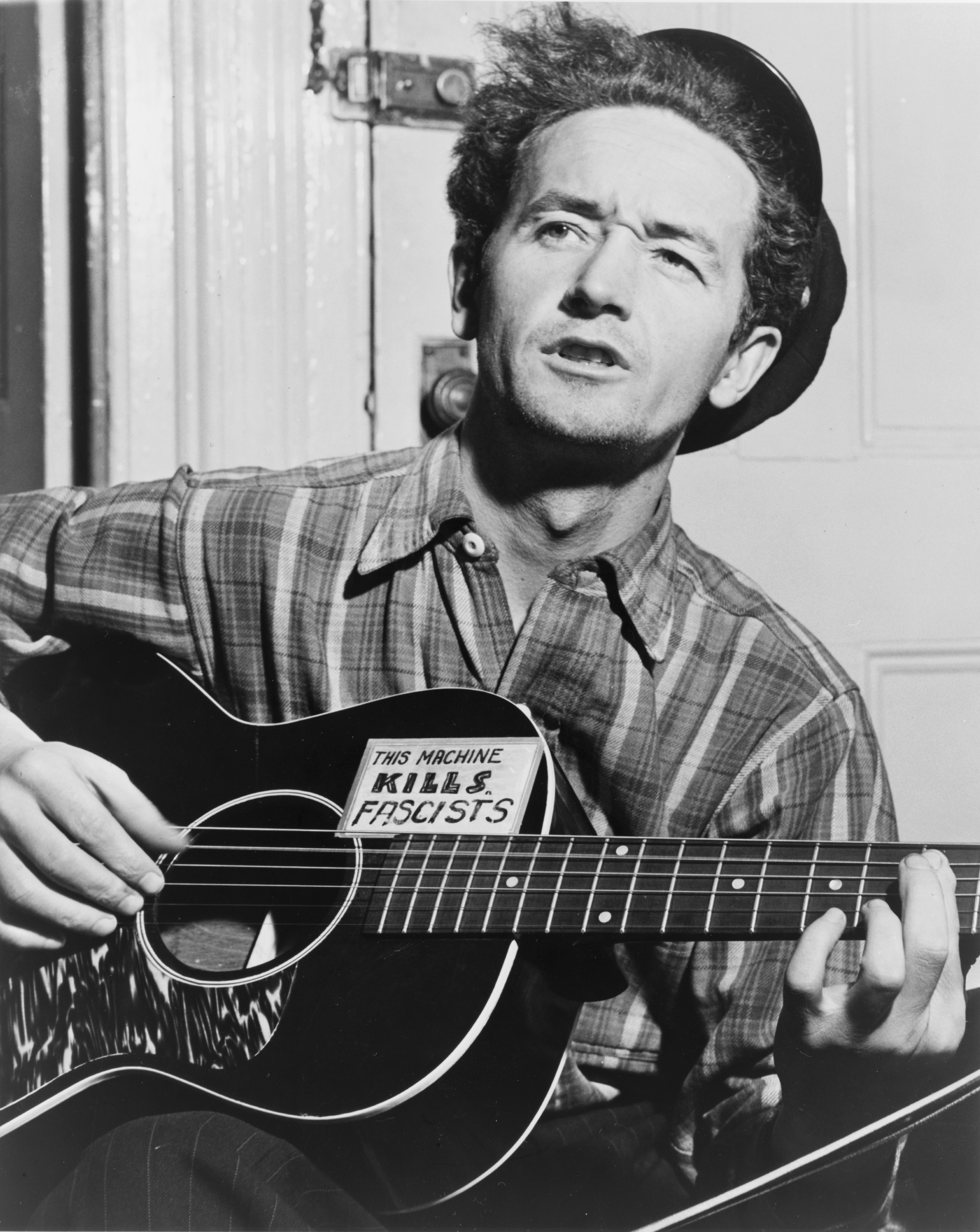
The roots of the American Folk Music Revival can be traced back to earlier ethnomusicological efforts and the burgeoning interest in American vernacular music during the late 19th and early 20th centuries. Figures like John A. Lomax and his son Alan Lomax traveled extensively, collecting ballads, work songs, and spirituals for the Library of Congress. The Great Depression and World War II also played significant roles, fostering a sense of shared experience and a desire for authentic, unvarnished expression. Early pioneers like Woody Guthrie, with his Dust Bowl ballads, and Lead Belly, whose powerful renditions of "Cotton Fields" and "Goodnight, Irene" became standards, provided a crucial link between traditional forms and a new generation of listeners. The post-war era saw a growing urban folk scene, particularly in Greenwich Village, New York, where coffeehouses became incubators for talent and new interpretations of old songs.
⚙️ How It Works
The mechanics of the American Folk Music Revival involved a multi-pronged approach to rediscovering and disseminating traditional music. This included field recordings and archival research, exemplified by the work of the Library of Congress's Archive of Folk Song. Musicians actively learned from older generations, transcribing and adapting songs from sources like Lomax's collections and recordings by artists like Mississippi John Hurt. The revivalists often performed in intimate venues like coffeehouses and folk clubs, fostering a direct connection with audiences. Festivals, such as the Newport Folk Festival, became crucial platforms for showcasing established artists and emerging talent. Furthermore, the movement benefited from the rise of LP records and folk-oriented record labels like Folkways Records, which made music more accessible to a wider public.
📊 Key Facts & Numbers
The American Folk Music Revival saw significant milestones in its popularity. The Newport Folk Festival became a crucial platform for showcasing established artists and emerging talent. The Folkways Records label was a folk-oriented record label. The influence of revival artists extended to many amateur folk musicians actively participating in clubs and gatherings nationwide.
👥 Key People & Organizations
The American Folk Music Revival was propelled by a constellation of influential figures and organizations. Woody Guthrie and Lead Belly were foundational, their music embodying the spirit of the common person. Pete Seeger, a charismatic performer and activist, was instrumental in popularizing folk songs and organizing folk music events, co-founding The Weavers and later the Folk Alliance International. The next generation saw artists like Bob Dylan, whose poetic lyrics and innovative sound redefined folk, and Joan Baez, known for her pure voice and activism. Other key artists include Judy Collins, Phil Ochs, and the trio Peter, Paul and Mary. Organizations like the Library of Congress and record labels such as Folkways Records and Vanguard Records were crucial in documenting and distributing the music.
🌍 Cultural Impact & Influence
The cultural impact of the American Folk Music Revival was profound and far-reaching. It not only preserved a vast repertoire of traditional songs but also infused them with new relevance, making them anthems for social and political movements. Artists like Bob Dylan and Joan Baez became voices for a generation, their songs addressing issues of peace, justice, and equality. The revival also broadened the definition of American music, highlighting the contributions of African American blues and spirituals, Appalachian ballads, and immigrant folk traditions, which had previously been marginalized. This broadened perspective influenced the development of genres like folk-rock, country-rock, and even early punk rock, demonstrating the enduring legacy of folk's raw authenticity and storytelling.
⚡ Current State & Latest Developments
While the peak popularity of the American Folk Music Revival waned by the late 1960s and early 1970s, its influence continues to resonate. Contemporary artists across various genres still draw inspiration from the revival's repertoire and ethos. Modern folk festivals, such as the Newport Folk Festival and the Telluride Bluegrass Festival, continue to thrive, showcasing both traditional and contemporary interpretations of folk music. The digital age has also facilitated new avenues for folk music dissemination, with platforms like YouTube and Spotify hosting vast archives of revival-era recordings and new folk artists. Ongoing efforts by organizations like the Folk Alliance International work to support and promote folk music, ensuring its continued evolution and relevance in the 21st century.
🤔 Controversies & Debates
The American Folk Music Revival is not without its controversies and debates. One significant point of contention was the question of authenticity and commercialization. The electrification of Bob Dylan's sound at the 1965 Newport Folk Festival was a point of contention. Another debate centers on appropriation versus appreciation: to what extent were white artists borrowing from and profiting from the music of Black artists, particularly in the blues and gospel traditions? The role of folk music in political activism also sparked debate, with some viewing it as a powerful tool for social change and others criticizing its perceived didacticism or partisan nature. The very definition of 'folk music' itself remained a fluid and contested concept throughout the revival.
🔮 Future Outlook & Predictions
The future of the American Folk Music Revival's legacy lies in its continued adaptation and integration into new musical forms. While a direct revival of the mid-20th century scale is unlikely, the core principles of storytelling, authenticity, and social commentary embedded in folk music will undoubtedly persist. We can anticipate further cross-pollination between folk and electronic music, hip-hop, and global music traditions, creating hybrid genres that honor folk's roots while exploring new sonic territories. The emphasis on lyrical depth and narrative will likely remain a touchstone for songwriters seeking to connect with audiences on a meaningful level. Furthermore, the ongoing digitization of music archives and the accessibility of online learning platforms suggest that the traditional folk repertoire will continue to be discovered and reinterpreted by new generations of musicians and listeners worldwide.
💡 Practical Applications
The practical applications of the American Folk Music Revival extend beyond mere entertainment. The music served as a powerful tool for social and political mobilization, providing anthems for the Civil Rights Movement, the anti-war movement, and labor rights struggles. Folk songs offered a means of preserving and transmitting history, culture, and collective memory, particularly for communities whose stories were often overlooked by mainstream narratives. The revival also fostered a DIY ethos, encouraging amateur musicianship and community engagement through folk clubs and festivals. Furthermore, the revival's emphasis on lyrical clarity and narrative structure has influenced song
Key Facts
- Category
- movements
- Type
- topic