
Contents
Overview
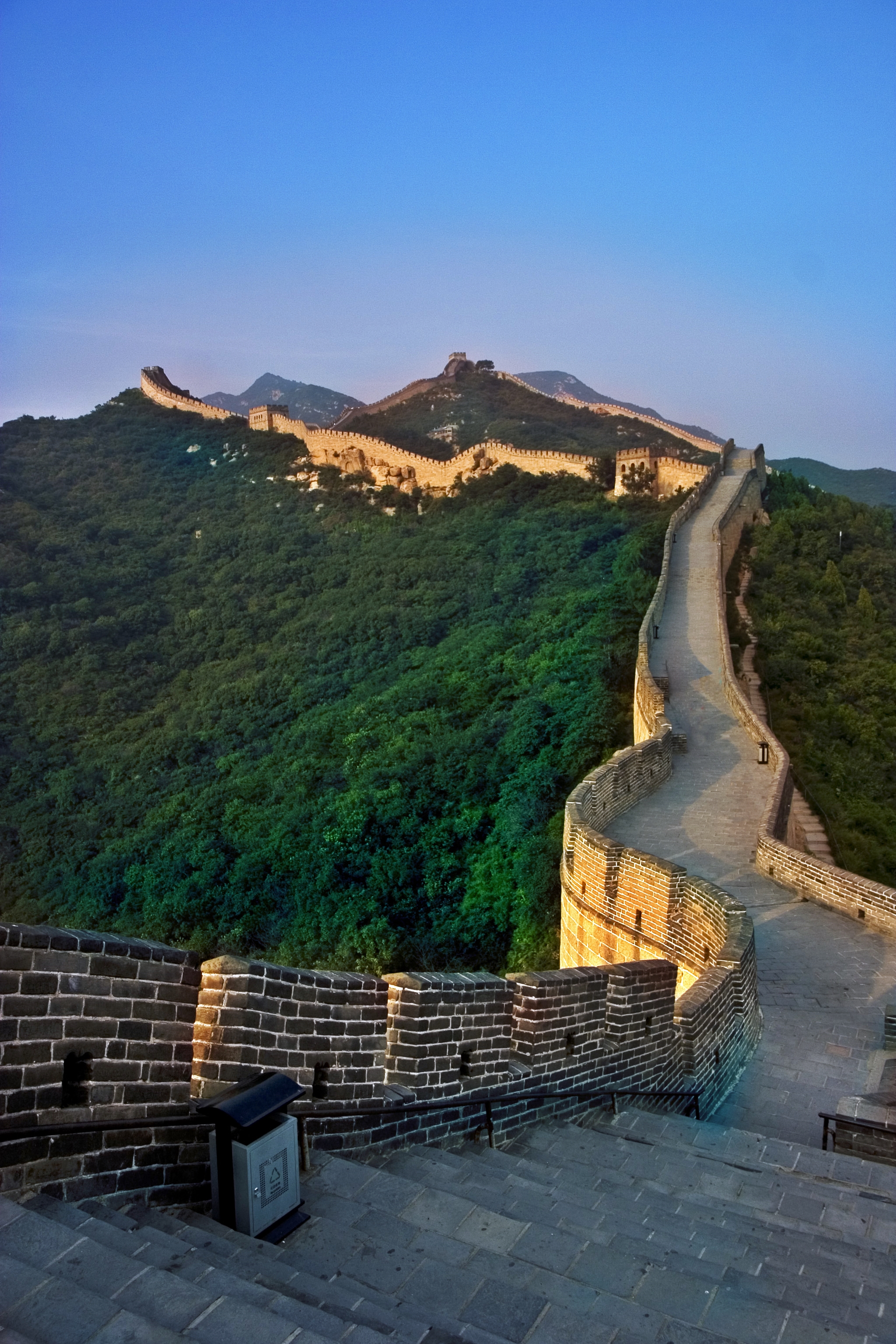
The history of Badaling is inextricably linked to the defense of China's northern frontier. While sections of the Great Wall existed for centuries prior, the fortifications at Badaling were significantly rebuilt and fortified during the Ming Dynasty starting in 1504. This strategic location, commanding the Juyongguan Pass, was crucial for protecting the capital city of Beijing from nomadic incursions from the north. The Ming rulers understood the importance of this choke point, investing heavily in its construction and maintenance. The Ming section of the wall at Badaling is characterized by its robust stonework and numerous watchtowers, designed to house soldiers and signal enemy movements. Its military importance waned with the fall of the Ming Dynasty and the subsequent establishment of the Qing Dynasty, which saw the empire expand beyond the wall's traditional defensive line.
⚙️ Architectural Significance
Architecturally, Badaling is a prime example of Ming Dynasty Great Wall construction. The wall here is typically made of quarried stone and granite, with a width sufficient for multiple soldiers to march abreast and numerous watchtowers spaced at regular intervals. These towers served as barracks, storage facilities, and crucial signaling points, using smoke signals by day and fire by night to relay messages rapidly across vast distances. The steep gradients and rugged terrain around Badaling highlight the engineering prowess required to construct such a monumental defensive line. The integration of natural topography into the wall's design, following mountain ridges and contours, is a hallmark of its strategic and aesthetic appeal. The presence of fortified gates, like the one at Juyongguan to the south, underscores Badaling's role as a critical node in a larger defensive network.
📊 Key Facts & Numbers
Badaling attracts an astonishing number of visitors, with annual figures often exceeding 10 million people. The restored section of the wall spans approximately 3.7 kilometers, with its highest point, Beibalou, reaching an elevation of 1,015 meters (3,330 ft) above sea level. The construction of the Ming Dynasty wall at this site began around 1504. Since its reopening to tourism in 1957, it has become one of China's most iconic landmarks. The average visitor spends about 2-3 hours exploring the site. Approximately 70% of international tourists visiting Beijing make a trip to Badaling, underscoring its global recognition. The site is accessible via a highway that was completed in 1979, significantly reducing travel time from Beijing.
👥 Key People & Organizations
While no single individual 'owns' Badaling, its history is shaped by the emperors and military strategists of the Ming Dynasty, particularly Emperor Hongzhi and his successors who oversaw its major construction. The State Council of the People's Republic of China designated the Great Wall, including the Badaling section, as a protected national monument. The China Tourism Group and its subsidiaries have been instrumental in the development and management of the tourist infrastructure around Badaling, including hotels and transportation services. Local authorities in the Yanqing District of Beijing are responsible for day-to-day management and preservation efforts. The UNESCO World Heritage Centre recognized the Great Wall as a World Heritage Site in 1987, placing Badaling under international protection.
🌍 Cultural Impact & Influence
Badaling's cultural impact is immense, solidifying its image as the quintessential representation of the Great Wall for global audiences. It has been featured in countless films, documentaries, and travelogues, becoming a symbol of China's ancient history and enduring strength. The sheer volume of visitors has also led to its inclusion in popular culture, from tourist souvenirs to social media trends. For many international travelers, a visit to Badaling is a bucket-list item, representing a tangible connection to one of the world's most legendary structures. Its accessibility has made it a crucial site for cultural exchange, allowing millions to experience a piece of Chinese heritage firsthand. However, this popularity also raises questions about the impact of mass tourism on a delicate historical site.
⚡ Current State & Latest Developments
In recent years, efforts have been made to manage the overwhelming crowds at Badaling. This includes implementing timed ticketing systems and encouraging visits during off-peak seasons. The China Tourism Group continues to invest in modernizing visitor facilities, including the development of a cable car system to ease access to higher sections of the wall, which opened in 1998. Discussions are ongoing regarding further preservation techniques to combat erosion and the effects of weather on the ancient stonework. The site remains a primary destination for state visits and diplomatic tours, reinforcing its status as a national symbol. The development of surrounding infrastructure, including hotels and restaurants in Badaling Town, continues to evolve to accommodate the constant influx of tourists.
🤔 Controversies & Debates
The primary controversy surrounding Badaling is the sheer volume of tourism it attracts. Critics argue that mass tourism, while economically beneficial, poses a significant threat to the preservation of the wall. The constant foot traffic can lead to erosion, and the infrastructure required to support millions of visitors can detract from the site's historical integrity. Debates also arise regarding the authenticity of the restored sections, with some purists arguing that the extensive renovations undertaken since the 1950s have altered the wall's original character. Furthermore, the commercialization of the site, with numerous souvenir shops and vendors, is sometimes seen as diminishing the solemnity of the historical experience. The environmental impact of such a high-traffic tourist destination is also a recurring concern.
🔮 Future Outlook & Predictions
The future of Badaling will likely involve a delicate balancing act between preservation and accessibility. Experts predict continued investment in sustainable tourism practices, potentially including stricter visitor limits or more advanced digital ticketing and crowd management systems. There's a growing emphasis on 'slow tourism' and promoting less-visited sections of the Great Wall to alleviate pressure on Badaling. Technological advancements in monitoring and restoration may also play a larger role in safeguarding the wall's structural integrity. The site's role as a symbol of China is unlikely to diminish, ensuring its continued importance in national and international discourse on heritage preservation and cultural tourism. Future developments might also focus on enhancing the educational experience, using augmented reality or interactive exhibits to bring the history of the Ming Dynasty fortifications to life.
💡 Practical Applications
The primary application of Badaling is as a major tourist destination, generating significant revenue for the local economy in Yanqing District and Beijing. It serves as a critical educational tool, offering millions of students and adults a tangible connection to Chinese history and the engineering feats of the Ming Dynasty. Beyond tourism, Badaling's strategic location historically made it a vital military outpost, demonstrating the practical application of defensive architecture in safeguarding empires. Today, its 'application' is largely symbolic, representing China's historical grandeur and resilience on a global stage. It also functions as a benchmark for Great Wall tourism, influencing how other sections of the wall are managed and promoted.
Key Facts
- Category
- place
- Type
- topic