
Contents
Overview
Biometric authentication has its roots in the 1960s, when the first facial recognition systems were developed by researchers at Stanford Research Institute, with funding from the US Department of Defense. Since then, the technology has advanced significantly, with the introduction of fingerprint recognition, iris scanning, and voice recognition, as seen in products like Apple's Face ID and Google's Voice Match. Today, biometric authentication is used in a wide range of applications, from border control to financial transactions, with companies like Microsoft, IBM, and Samsung investing heavily in its development. For instance, Microsoft's Azure Active Directory uses biometric authentication to provide secure access to its cloud services, while IBM's Watson platform utilizes machine learning to improve the accuracy of biometric authentication systems.
📊 How It Works
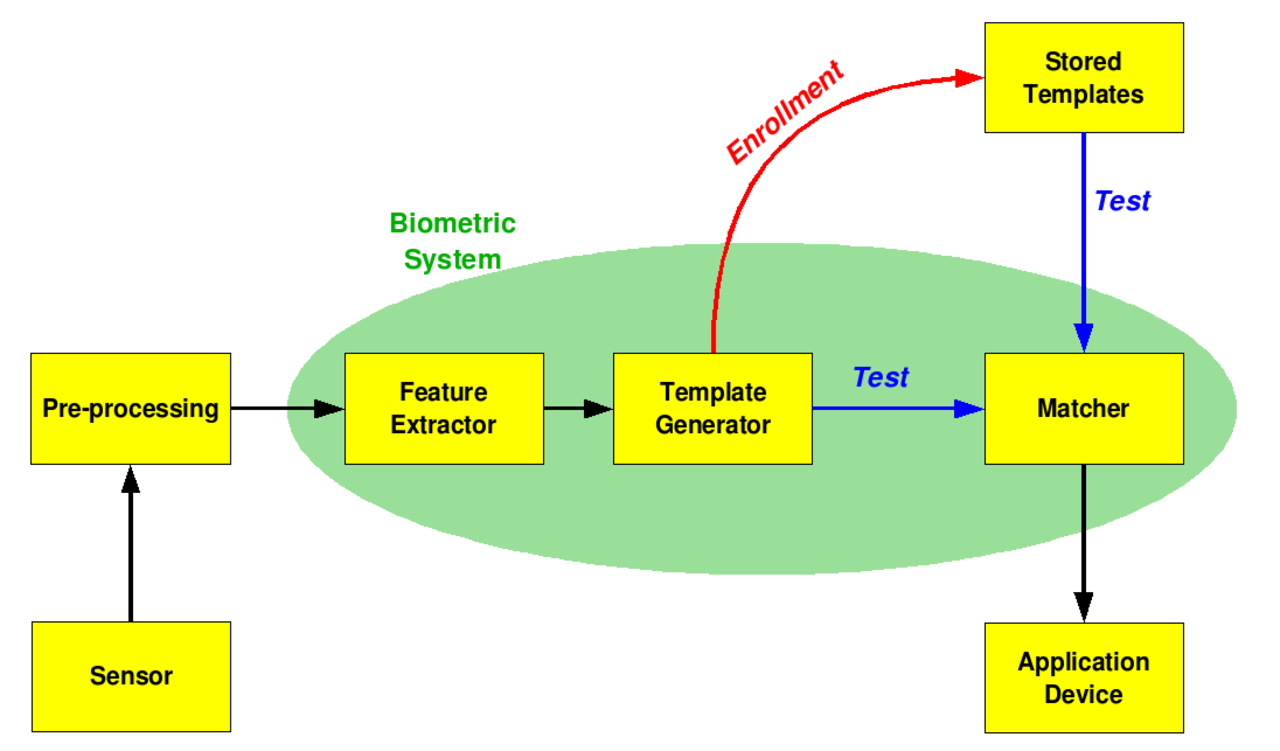
The process of biometric authentication involves the use of specialized software and hardware to capture and analyze an individual's unique characteristics, such as fingerprints, facial features, or voice patterns. This data is then compared to a stored template or database to verify the individual's identity, with companies like Facebook and Twitter using biometric authentication to secure their users' accounts. The technology has been widely adopted by companies like Amazon, which uses biometric authentication in its Alexa smart speaker, and by governments, which use it in border control and law enforcement applications, such as the US Department of Homeland Security's Biometric Identification System. Additionally, researchers like Andrew Ng and Fei-Fei Li have made significant contributions to the development of biometric authentication systems, with their work on deep learning and computer vision.
🌐 Cultural Impact
Biometric authentication has had a significant impact on popular culture, with movies like Minority Report and TV shows like Black Mirror exploring the potential risks and benefits of the technology. The use of biometric authentication in consumer products, such as smartphones and smart home devices, has also raised concerns about privacy and security, with companies like Apple and Google facing criticism for their handling of biometric data. However, biometric authentication has also been praised for its convenience and security, with experts like Steve Wozniak and Marc Andreessen advocating for its potential to revolutionize the way we interact with technology. For example, the use of biometric authentication in mobile payments, such as Apple Pay and Google Pay, has made transactions more secure and convenient, with companies like Visa and Mastercard investing in the development of biometric authentication systems for financial transactions.
🔮 Legacy & Future
As biometric authentication continues to evolve, it is likely to play a crucial role in the development of secure and convenient identity verification systems. With the rise of artificial intelligence and machine learning, biometric authentication is becoming increasingly sophisticated, with the ability to detect and prevent spoofing attacks, such as those using deepfakes or synthetic voice recordings. Companies like Facebook and Google are investing heavily in the development of biometric authentication systems, with researchers like Yann LeCun and Geoffrey Hinton working on the development of more advanced biometric authentication technologies, such as those using neural networks and deep learning. As the technology continues to advance, it is likely to have a significant impact on the way we interact with technology, with potential applications in areas like healthcare, finance, and education, with experts like Bill Gates and Mark Zuckerberg advocating for its potential to improve access to these services.
Key Facts
- Year
- 1960s
- Origin
- Stanford Research Institute
- Category
- technology
- Type
- technology
Frequently Asked Questions
What is biometric authentication?
Biometric authentication is a security process that uses unique physical or behavioral characteristics to verify an individual's identity.
How does biometric authentication work?
Biometric authentication involves the use of specialized software and hardware to capture and analyze an individual's unique characteristics, such as fingerprints, facial features, or voice patterns.
What are the benefits of biometric authentication?
Biometric authentication provides a secure and convenient way to verify identities, with the potential to revolutionize the way we interact with technology.
What are the risks of biometric authentication?
Biometric authentication raises concerns about privacy and security, with the potential for spoofing attacks and data breaches.
Who uses biometric authentication?
Biometric authentication is used by companies like Apple, Google, and Amazon, as well as governments and law enforcement agencies, with researchers like Andrew Ng and Fei-Fei Li working on its development