
Contents
Overview
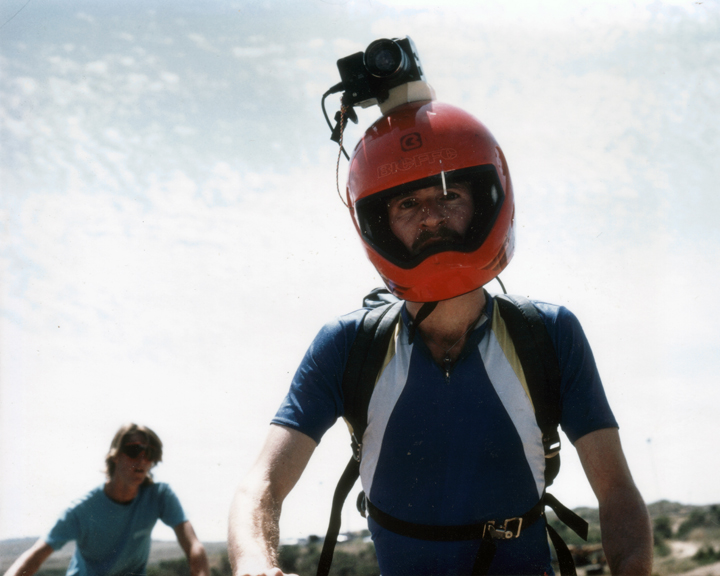
A body worn camera (BWC), also known as bodycam or body-worn video (BWV), is a portable electronic device worn on an individual's clothing or body that records audio and video. Initially developed for specialized applications, these devices find utility in various sectors including commercial operations, healthcare, military contexts, journalism, and personal use for activities like cycling and extreme sports, often referred to as action cameras. The technology typically employs CMOS image sensors capable of high-definition video recording, often at high frame rates for slow-motion playback, and ruggedized designs to withstand harsh environments. While proponents tout their ability to de-escalate confrontations and provide objective records, research into their precise impact on police use of force and public trust yields mixed results, sparking ongoing debate about their implementation and oversight.
🎵 Origins & History
The genesis of the body worn camera can be traced back to early portable recording devices. The concept of wearable recording devices existed long before, with early prototypes and niche applications appearing in the late 20th century. The technology's evolution from bulky, low-resolution devices to compact, high-definition recorders has been rapid, driven by advancements in CMOS sensor technology and battery life.
⚙️ How It Works
At its core, a body worn camera functions by capturing visual and auditory data through integrated lenses and microphones. Most modern BWCs utilize CMOS sensors to record video. Audio is captured by built-in microphones, which can be sensitive enough to record conversations at a distance. Data offloading is usually managed through secure docking stations or direct cable connections to a central server, often employing encryption to protect sensitive footage.
📊 Key Facts & Numbers
The global market for body worn cameras is substantial and growing. Law enforcement agencies account for the largest segment of this market. Globally, countries like the United Kingdom and Australia have also seen widespread adoption.
👥 Key People & Organizations
Several key individuals and organizations have shaped the trajectory of body worn camera technology. Advocacy groups such as the ACLU have also played a crucial role in pushing for BWC adoption and advocating for robust privacy protections and public access policies.
🌍 Cultural Impact & Influence
Body worn cameras have profoundly influenced public perception of law enforcement and the nature of evidence in legal proceedings. They have become a powerful symbol of transparency, promising an objective record of interactions between citizens and police. This has led to increased public demand for their use and for greater access to the footage, as seen in numerous high-profile cases where BWC recordings have become central to public discourse and judicial outcomes. The technology has also spurred the growth of a new industry focused on video evidence management, analytics, and secure storage solutions. Culturally, BWCs have permeated media narratives, appearing in documentaries, news reports, and fictional portrayals, often as a tool for uncovering truth or exposing injustice. The very presence of a recording device can alter behavior, a phenomenon known as the Hawthorne effect, potentially influencing both officer and civilian conduct during encounters.
⚡ Current State & Latest Developments
The landscape of body worn cameras is currently characterized by rapid technological advancement and evolving policy frameworks. Manufacturers are continuously improving features such as battery life, image stabilization, low-light performance, and data security. Cloud-based storage and AI-powered video analytics are becoming increasingly prevalent, offering capabilities like automatic redaction of sensitive information and event detection. Policy discussions are also intensifying, focusing on issues like data retention periods, public access to footage, and the use of BWCs for purposes beyond criminal investigations.
🤔 Controversies & Debates
The deployment and use of body worn cameras are fraught with controversy, primarily revolving around privacy, cost, and effectiveness. Critics argue that BWCs infringe upon the privacy of both civilians and officers, particularly in sensitive situations or private residences, leading to debates over when recording should be mandatory, permissible, or prohibited. The substantial cost of acquiring and maintaining BWC systems, including data storage and management, is another significant point of contention, with some questioning whether the investment yields proportionate benefits in terms of reduced crime or improved officer conduct. Furthermore, research on their impact on police use of force and citizen complaints has yielded mixed results; while some studies suggest a reduction, others find no significant effect, leading to skepticism about their efficacy as a panacea for police misconduct. The potential for officers to selectively activate or deactivate cameras, or for footage to be manipulated, also fuels distrust.
🔮 Future Outlook & Predictions
The future of body worn cameras is likely to be shaped by deeper integration with artificial intelligence and expanded applications beyond law enforcement. We can anticipate BWCs becoming more sophisticated, potentially incorporating biometric sensors for real-time physiological monitoring or advanced object and facial recognition capabilities. The trend towards cloud-based storage and analytics will accelerate, enabling more efficient data management and the extraction of actionable intelligence. Beyond policing, expect to see increased adoption in sectors like retail loss prevention, construction site monitoring, and personal safety devices. The development of interoperable systems that can seamlessly share data with other surveillance and communication platforms is also on the horizon. Regulatory frameworks will continue to evolve, attempting to balance the benefits of transparency and evidence collection with the imperative to protect individual privacy and manage the escalating costs of data management.
💡 Practical Applications
Body worn cameras have a diverse range of practical applications across multiple sectors. For law enforcement, they serve as crucial tools for documenting arrests, traffic stops, and investigations, providing objective evidence for court proceed
Key Facts
- Category
- technology
- Type
- topic