
Contents
- 🏛️ Introduction to the British Mandate for Palestine
- 📜 Historical Context: The Ottoman Empire and World War I
- 🗺️ Geopolitical Entity: Mandatory Palestine
- 📊 Administration and Governance
- 🤝 Relations with the Arab and Jewish Communities
- 🚫 Conflicts and Tensions during the Mandate Period
- 📈 Economic Development and Infrastructure
- 🌎 International Involvement and the End of the Mandate
- 🕊️ Legacy of the British Mandate for Palestine
- 📰 Key Documents and Sources
- 👥 Notable Figures and Their Roles
- Frequently Asked Questions
- Related Topics
Overview
The British Mandate for Palestine, which lasted from 1920 to 1948, was a period of significant transformation and conflict in the region. Established by the League of Nations after World War I, the mandate gave the United Kingdom control over the territory, with the aim of creating a Jewish national home while also protecting the rights of the existing Arab population. However, this dual obligation led to growing tensions between the two communities, ultimately contributing to the 1948 Arab-Israeli War. The mandate period saw significant Jewish immigration, land purchases, and the development of infrastructure, but also Arab resistance and rebellion. The British government's attempts to balance these competing interests ultimately failed, and the mandate was terminated, leading to the establishment of the State of Israel. Today, the legacy of the British Mandate continues to shape the Israeli-Palestinian conflict, with ongoing debates over issues such as borders, settlements, and refugees. The mandate's impact can be seen in the work of key figures like Chaim Weizmann, who played a crucial role in negotiating the Balfour Declaration, and the influence of the mandate on the development of Zionist and Arab nationalist movements.
🏛️ Introduction to the British Mandate for Palestine
The British Mandate for Palestine, which lasted from 1920 to 1948, was a period of significant transformation and conflict in the region. The mandate was established by the League of Nations after the defeat of the Ottoman Empire in World War I. The British government, which had previously issued the Balfour Declaration in 1917, expressing support for the establishment of a Jewish homeland in Palestine, was given the responsibility of administering the territory. This move was met with both enthusiasm and skepticism by the Jewish community and the Arab nationalism movement. The mandate period was marked by increasing tensions between the Arab and Jewish populations, as well as between the British authorities and both communities. For more information on the historical context, see History of Palestine.
📜 Historical Context: The Ottoman Empire and World War I
The Ottoman Empire, which had controlled Palestine for nearly 400 years, was defeated in World War I, leading to the redrawing of the region's borders. The Sykes-Picot Agreement of 1916, signed by Britain and France, divided the Middle East into spheres of influence, with Palestine falling under British control. The Balfour Declaration, issued in 1917, further complicated the situation by expressing British support for the establishment of a Jewish homeland in Palestine. This move was seen as a betrayal by the Arab population, who had been promised independence by the British during the war. The Arab nationalism movement, which had been growing in strength, saw the British Mandate as an obstacle to their goals. For more information on the Ottoman Empire, see Ottoman Empire.
🗺️ Geopolitical Entity: Mandatory Palestine
The British Mandate for Palestine established a new geopolitical entity, Mandatory Palestine, which was administered by the British government. The territory included the areas now known as Israel, the West Bank, and the Gaza Strip. The British authorities were responsible for maintaining law and order, collecting taxes, and providing public services. However, the mandate period was marked by increasing tensions between the Arab and Jewish populations, as well as between the British authorities and both communities. The Jewish Agency, established in 1929, played a significant role in the development of the Jewish community in Palestine, while the Arab Higher Committee represented the interests of the Arab population. For more information on Mandatory Palestine, see Mandatory Palestine.
📊 Administration and Governance
The administration and governance of Palestine during the British Mandate period were complex and often contentious. The British authorities were responsible for maintaining law and order, but they faced significant challenges from both the Arab and Jewish populations. The Palestine Police force was established to maintain order, but it was often seen as biased towards the Jewish community. The British government also established a system of governance, which included the High Commissioner for Palestine, who was responsible for overseeing the administration of the territory. However, the British authorities faced significant opposition from both the Arab and Jewish communities, who felt that their interests were not being represented. For more information on the Palestine Police, see Palestine Police.
🤝 Relations with the Arab and Jewish Communities
The British Mandate period was marked by significant conflicts and tensions between the Arab and Jewish communities. The 1920 Palestine riots and the 1929 Palestine riots were two major incidents that highlighted the deep-seated tensions between the two communities. The British authorities struggled to maintain order, and their policies were often seen as biased towards one community or the other. The Jewish Agency and the Arab Higher Committee played significant roles in representing the interests of their respective communities, but they often found themselves at odds with each other. For more information on the 1920 Palestine riots, see 1920 Palestine riots.
🚫 Conflicts and Tensions during the Mandate Period
Despite the conflicts and tensions, the British Mandate period saw significant economic development and infrastructure growth in Palestine. The Jewish Agency played a significant role in promoting Jewish immigration and settlement, which led to the establishment of new towns and cities. The British authorities also invested in infrastructure, including roads, railways, and ports. The Haifa Port and the Tel Aviv Port became major commercial centers, and the Palestine Railway connected the territory to the rest of the Middle East. However, the Arab population felt that they were not benefiting equally from the economic growth, and this led to further tensions. For more information on the Palestine Railway, see Palestine Railway.
📈 Economic Development and Infrastructure
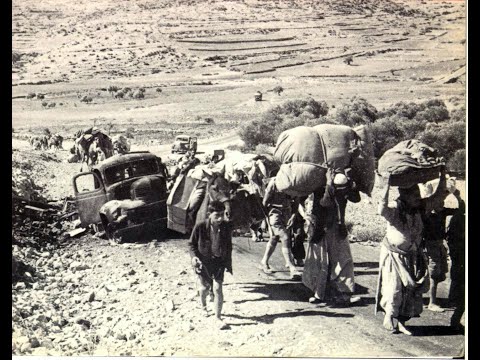
The British Mandate for Palestine was not without international involvement and scrutiny. The League of Nations had established the mandate system, and the British government was responsible for reporting to the League on its administration of the territory. The United Nations also played a significant role in the latter years of the mandate period, particularly in the lead-up to the establishment of the State of Israel in 1948. The United Nations Partition Plan for Palestine was adopted in 1947, which recommended the division of Palestine into separate Jewish and Arab states. However, the plan was rejected by the Arab states, and the resulting conflict led to the establishment of the State of Israel and the displacement of hundreds of thousands of Palestinians. For more information on the United Nations Partition Plan for Palestine, see United Nations Partition Plan for Palestine.
🌎 International Involvement and the End of the Mandate
The legacy of the British Mandate for Palestine is complex and contested. The mandate period saw significant economic development and infrastructure growth, but it also saw the displacement of hundreds of thousands of Palestinians and the establishment of the State of Israel. The Israeli-Palestinian conflict continues to this day, with the question of Palestinian statehood and the status of Jerusalem remaining major points of contention. The British Mandate period also saw the growth of Zionism and the establishment of the Jewish Agency, which played a significant role in the development of the Jewish community in Palestine. However, the mandate period also saw significant conflicts and tensions between the Arab and Jewish communities, which continue to have an impact on the region today. For more information on the Israeli-Palestinian conflict, see Israeli-Palestinian conflict.
🕊️ Legacy of the British Mandate for Palestine
There are several key documents and sources that provide insight into the British Mandate for Palestine. The Balfour Declaration of 1917 is a significant document that expressed British support for the establishment of a Jewish homeland in Palestine. The Sykes-Picot Agreement of 1916 divided the Middle East into spheres of influence, with Palestine falling under British control. The Mandate for Palestine was established by the League of Nations in 1920, and it outlined the terms of the British Mandate. The United Nations Partition Plan for Palestine was adopted in 1947, which recommended the division of Palestine into separate Jewish and Arab states. For more information on the Balfour Declaration, see Balfour Declaration.
📰 Key Documents and Sources
There were several notable figures who played significant roles during the British Mandate for Palestine. Herbert Samuel, the first High Commissioner for Palestine, played a significant role in establishing the British administration in Palestine. Chaim Weizmann, the president of the World Zionist Organization, was a key figure in promoting Jewish immigration and settlement in Palestine. Amin al-Husseini, the Grand Mufti of Jerusalem, was a significant figure in the Arab nationalist movement and played a major role in opposing the British Mandate and the establishment of the State of Israel. For more information on Herbert Samuel, see Herbert Samuel.
Key Facts
- Year
- 1920
- Origin
- League of Nations
- Category
- History
- Type
- Historical Event
Frequently Asked Questions
What was the British Mandate for Palestine?
The British Mandate for Palestine was a period of British rule in Palestine, which lasted from 1920 to 1948. The mandate was established by the League of Nations after the defeat of the Ottoman Empire in World War I. The British government was responsible for administering the territory and maintaining law and order. However, the mandate period was marked by significant conflicts and tensions between the Arab and Jewish populations, as well as between the British authorities and both communities. For more information on the British Mandate, see British Mandate for Palestine.
What was the significance of the Balfour Declaration?
The Balfour Declaration, issued in 1917, was a significant document that expressed British support for the establishment of a Jewish homeland in Palestine. The declaration was seen as a major victory for the Zionist movement, which had been advocating for a Jewish state in Palestine. However, the declaration also sparked significant opposition from the Arab population, who felt that their rights and interests were being ignored. The declaration remains a contentious issue to this day, with many Palestinians viewing it as a betrayal of their rights. For more information on the Balfour Declaration, see Balfour Declaration.
What was the impact of the British Mandate on the Arab population?
The British Mandate had a significant impact on the Arab population in Palestine. Many Arabs felt that their rights and interests were being ignored, and that the British authorities were biased towards the Jewish community. The mandate period saw significant conflicts and tensions between the Arab and Jewish populations, which often turned violent. The Arab population also felt that they were not benefiting equally from the economic growth and development that occurred during the mandate period. The legacy of the British Mandate continues to be felt today, with many Palestinians viewing the period as a time of displacement and dispossession. For more information on the impact of the British Mandate on the Arab population, see Arab Nationalism.
What was the role of the Jewish Agency during the British Mandate?
The Jewish Agency, established in 1929, played a significant role in promoting Jewish immigration and settlement in Palestine. The agency worked closely with the British authorities to establish new towns and cities, and to develop the economy and infrastructure of the territory. The Jewish Agency also played a significant role in representing the interests of the Jewish community in Palestine, and in advocating for the establishment of a Jewish state. The agency's activities were often seen as a threat by the Arab population, who felt that their rights and interests were being ignored. For more information on the Jewish Agency, see Jewish Agency.
What was the outcome of the British Mandate for Palestine?
The British Mandate for Palestine came to an end in 1948, with the establishment of the State of Israel. The mandate period saw significant conflicts and tensions between the Arab and Jewish populations, which ultimately led to the displacement of hundreds of thousands of Palestinians. The establishment of the State of Israel was seen as a major victory for the Zionist movement, but it also marked the beginning of a long and complex conflict between Israel and the Arab states. The legacy of the British Mandate continues to be felt today, with the Israeli-Palestinian conflict remaining a major point of contention in the region. For more information on the outcome of the British Mandate, see Israeli-Palestinian conflict.
What is the current status of the Israeli-Palestinian conflict?
The Israeli-Palestinian conflict remains a major point of contention in the region. The conflict has its roots in the British Mandate period, and has continued to this day. The conflict is complex and multifaceted, with issues such as Palestinian statehood, the status of Jerusalem, and the rights of Palestinian refugees remaining major points of contention. The international community has been involved in efforts to resolve the conflict, but a lasting solution has yet to be found. For more information on the current status of the Israeli-Palestinian conflict, see Israeli-Palestinian conflict.
What is the significance of the United Nations Partition Plan for Palestine?
The United Nations Partition Plan for Palestine, adopted in 1947, was a significant document that recommended the division of Palestine into separate Jewish and Arab states. The plan was seen as a major victory for the Zionist movement, but it was rejected by the Arab states. The plan ultimately led to the establishment of the State of Israel, but it also marked the beginning of a long and complex conflict between Israel and the Arab states. The legacy of the partition plan continues to be felt today, with the Israeli-Palestinian conflict remaining a major point of contention in the region. For more information on the United Nations Partition Plan for Palestine, see United Nations Partition Plan for Palestine.