
Contents
Overview
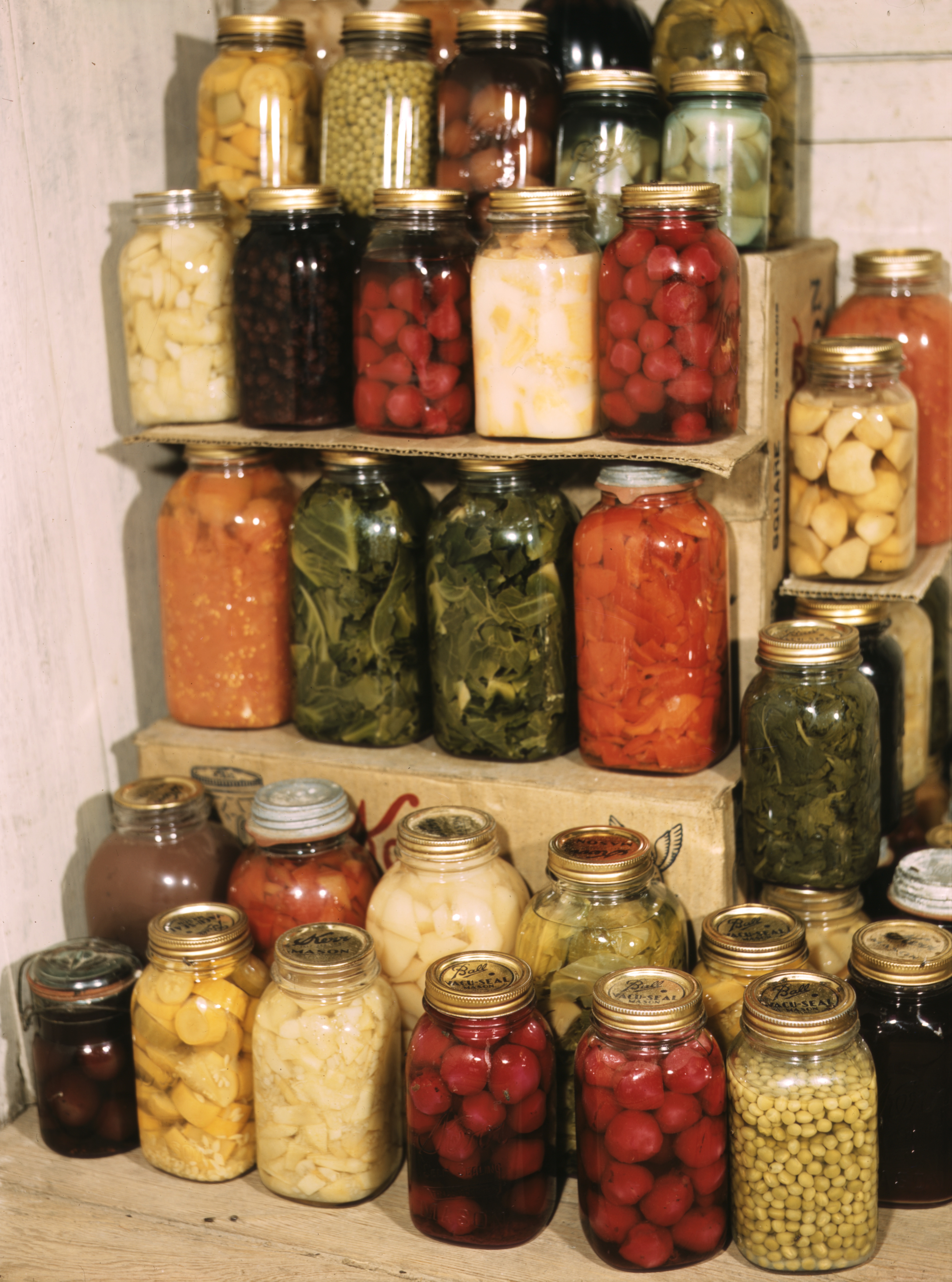
Appert detailed his method in his seminal work, "The Art of Preserving All Kinds of Animal and Vegetable Substances for Many Years". At its core, canning relies on two primary principles: heat sterilization and vacuum sealing. Food is packed into containers, typically glass jars or metal cans, leaving a small headspace. The containers are then sealed, either temporarily or permanently, before being subjected to a specific heating process. For home canning, a boiling water bath is used for high-acid foods like fruits and pickles, or a pressure canner is used for low-acid foods such as vegetables, meats, and poultry. The heat destroys spoilage-causing microorganisms like bacteria, yeasts, and molds, as well as enzymes that can degrade food quality. As the contents heat up, they expand, and the air within the headspace is expelled. Upon cooling, the contents contract, creating a partial vacuum within the sealed container. This vacuum pulls the lid tightly against the jar rim, forming an airtight seal that prevents new microorganisms from entering and contaminating the food, thus preserving it for extended periods.
⚙️ How It Works
Properly canned foods can remain safe and palatable for 1-5 years. Nicolas Appert is the foundational figure in canning history. Peter Durand patented the tin can. Henry J. Heinz founded the H.J. Heinz Company in 1869. The National Center for Home Food Preservation (NCHFP) is based at the University of Georgia, serving as a critical modern resource, providing up-to-date, research-tested canning guidelines and safety information. Organizations like the Canning Industry Association advocate for and represent the interests of commercial canners worldwide.
📊 Key Facts & Numbers
Canning was instrumental in enabling long-distance sea voyages and military expeditions, effectively shrinking the world by making non-perishable food accessible. It democratized access to out-of-season produce, allowing communities to enjoy fruits and vegetables year-round, a significant shift from seasonal diets. The iconic image of the tin can became synonymous with convenience and emergency preparedness, permeating popular culture through literature, film, and art. For many households, home canning represents a connection to heritage, a way to preserve family recipes and traditions passed down through generations, often associated with the bounty of summer harvests and the comfort of homemade goods. The rise of gourmet and artisanal canned goods in recent years has also elevated the perception of canned food beyond mere sustenance to a culinary experience.
👥 Key People & Organizations
The current landscape of canning techniques is characterized by a dual focus on tradition and technological advancement. For home canners, there's a resurgence driven by interest in self-sufficiency, reducing food waste, and controlling ingredients, with platforms like Ball Corporation continuing to be a dominant force in providing jars and equipment. Commercially, advancements in retort pouch technology and improved can linings are enhancing shelf life and food quality. The development of 'smart' canning systems, incorporating sensors for precise temperature and pressure monitoring, is also emerging. Furthermore, there's a growing emphasis on sustainable packaging, with ongoing research into more easily recyclable or biodegradable canning materials, though the inherent durability of glass and metal remains a significant advantage. The FDA and USDA regularly update safety guidelines, reflecting the latest scientific understanding of microbial control and foodborne illness prevention.
🌍 Cultural Impact & Influence
Canning is not without its controversies and debates, primarily centered on safety and nutritional value. The most significant concern is the risk of botulism, a potentially fatal illness caused by the toxin produced by Clostridium botulinum bacteria, which can thrive in the anaerobic, low-acid environments of improperly canned foods. This has led to strict adherence to tested recipes and processing times, particularly for low-acid foods. Another debate revolves around the nutritional impact of canning; while the heating process can degrade some heat-sensitive vitamins like Vitamin C and thiamine, it effectively preserves other nutrients, and canned foods often contain comparable or even higher levels of certain vitamins and minerals than their fresh counterparts due to reduced nutrient loss during storage and transport. The environmental impact of metal can production and disposal also sparks debate, though metal cans are highly recyclable.
⚡ Current State & Latest Developments
The future of canning techniques is poised for innovation, driven by consumer demand for convenience, safety, and sustainability. We can anticipate further advancements in retort technology, potentially leading to even shorter processing times and improved nutrient retention. The integration of AI in industrial canning could optimize processes, predict spoilage, and enhance quality control. For home canning, there's a growing interest in 'flash canning' or rapid preservation methods that minimize nutrient degradation while maintaining safety. The development of novel, eco-friendly packaging materials that offer comparable barrier properties to traditional cans and jars will be a key area of research. Furthermore, as global supply chains face increasing volatility, the inherent resilience and long shelf life of canned goods may see a renewed appreciation, positioning canning as a critical component of future food security strategies.
🤔 Controversies & Debates
Canning techniques are applied across a vast spectrum of food preservation. Industrially, it's fundamental to the production of staples like soups, vegetables, fruits, fish, and meats, making them accessible and affordab
Key Facts
- Category
- technology
- Type
- topic