
Contents
Overview
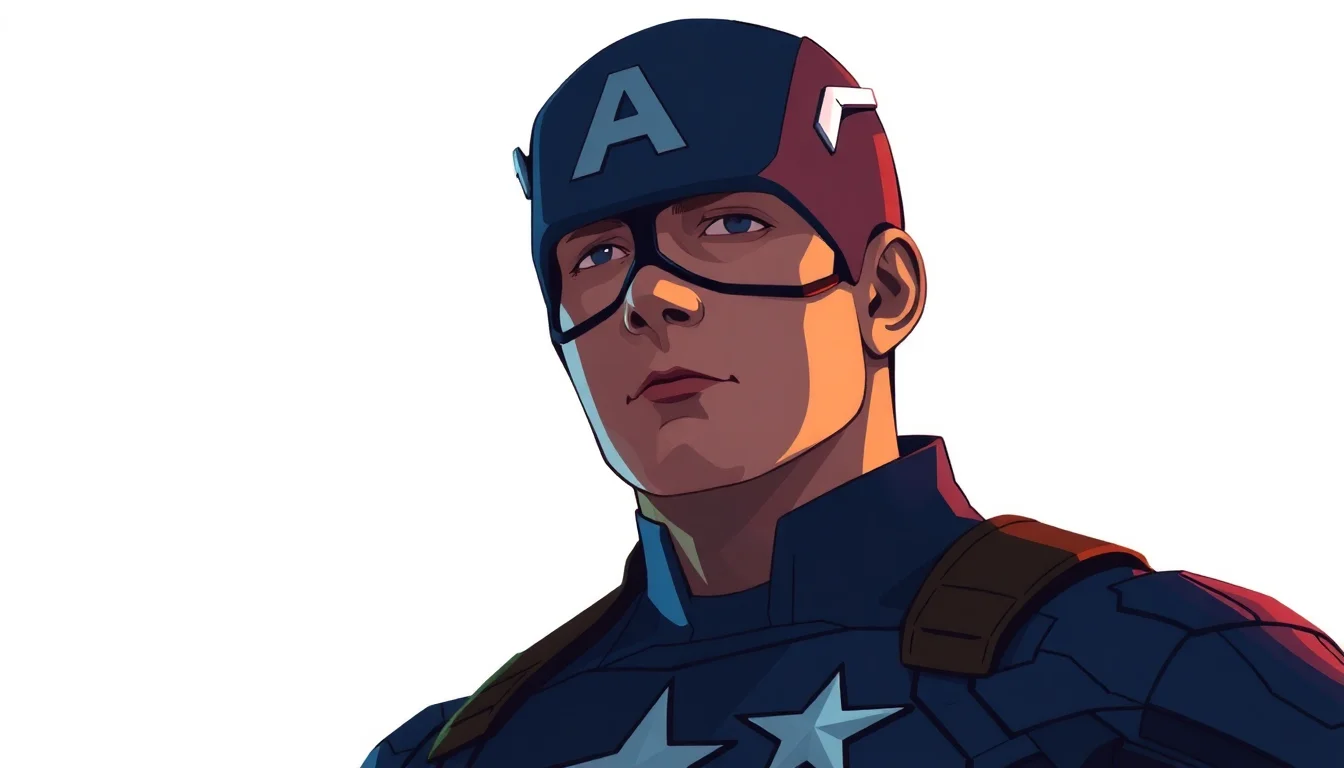
The genesis of Captain America can be traced back to the pre-war anxieties of 1940. Artists Joe Simon and Jack Kirby, working for Timely Publications, conceived of a patriotic hero to rally American spirit. Their creation, Steven Rogers, was a deliberate counterpoint to the fascist ideologies then gaining traction, notably Adolf Hitler and the Nazi Party. Captain America Comics #1, released in December 1940, depicted Rogers, a scrawny but determined patriot, receiving the Super-Soldier Serum and becoming the ultimate weapon against the Axis. His initial run, lasting until 1954, saw him battling villains like Red Skull and the Nazi regime alongside his sidekick Bucky Barnes. A fateful encounter with a V-2 rocket left Rogers frozen in the Arctic, a narrative device that allowed for his dramatic revival in the Silver Age of Comics by Stan Lee and Jack Kirby in 1964's The Avengers #4.
⚙️ How It Works
The transformation of Steve Rogers into Captain America hinges on the Super-Soldier Serum, a fictional biological agent designed to enhance human physical and mental capabilities to their absolute peak. This serum, developed by Dr. Abraham Erskine, augmented Rogers's musculature, bone density, and reflexes, granting him strength, speed, and endurance far beyond that of any Olympic athlete. His primary weapon is a vibranium shield, an nigh-indestructible disc forged from the rare, vibration-absorbing metal, which he wields with exceptional skill for both defense and offense, often using it as a projectile. His costume, a patriotic ensemble of red, white, and blue, further cemented his symbolic status. The serum's effects are permanent, making him a living embodiment of peak human potential, though he remains susceptible to conventional injury if caught off guard.
📊 Key Facts & Numbers
Captain America's debut in December 1940 sold an estimated 200,000 copies, a staggering number for the era, signaling immediate public embrace. The character has appeared in over 75,000 pages of comic book material since his inception. His cinematic universe, spearheaded by Marvel Studios, has grossed over $2.5 billion worldwide, with Captain America: Civil War (2016) alone earning $1.15 billion globally. The character has been featured in over 75 films and television series, and his likeness adorns merchandise valued in the billions of dollars annually. His shield has been replicated countless times, with high-quality replicas costing upwards of $500.
👥 Key People & Organizations
Beyond his creators Joe Simon and Jack Kirby, the character's modern mythology was significantly shaped by writers like Stan Lee, who revived him in the 1960s, and Ed Brubaker, whose run in the 2000s explored his post-WWII trauma and the "death" of Captain America. Key organizations include Marvel Comics, the publisher that has maintained his continuity, and the Avengers, the superhero team he co-founded and frequently leads. His primary antagonist, Red Skull, has been a recurring foil, representing the persistent threat of fascism. Peggy Carter, a wartime ally and love interest, also plays a crucial role in his personal history.
🌍 Cultural Impact & Influence
Captain America transcends comic books to become a potent cultural icon, particularly within the United States. His image has been utilized in propaganda, political commentary, and patriotic imagery since World War II, making him a visual shorthand for American ideals. The character's enduring appeal lies in his unwavering moral compass and his status as a symbol of hope and resilience, even when confronting overwhelming odds or personal loss. His influence is evident in subsequent patriotic heroes across various media and in the broader discourse surrounding heroism and national identity. The MCU's portrayal by Chris Evans further amplified his global recognition, solidifying his status as a 21st-century pop culture titan.
⚡ Current State & Latest Developments
As of 2024, Captain America continues to be a prominent figure in Marvel Comics, with ongoing series exploring Steve Rogers's adventures and the mantle being shared by other characters like Sam Wilson. The MCU has concluded Chris Evans's primary arc as Steve Rogers, but the character's legacy persists, with Sam Wilson (portrayed by Anthony Mackie) taking up the shield in The Falcon and the Winter Soldier (2021) and future appearances planned. Marvel's recent initiatives, including the Marvel Games division, ensure Captain America's presence across various interactive platforms, maintaining his relevance for new generations.
🤔 Controversies & Debates
The character of Captain America has not been without controversy. His overt patriotism has, at times, been interpreted as jingoistic, particularly during periods of political division. The narrative of a super-soldier serum, while fictional, has drawn parallels to real-world discussions about enhancement technologies and genetic modification. Furthermore, the character's revival after decades of presumed death raised questions about legacy and continuity within the Marvel Comics universe. Debates also persist regarding the extent to which Captain America represents idealized American values versus a more critical examination of national identity and history.
🔮 Future Outlook & Predictions
The future of Captain America in comics and media appears robust. Marvel Comics is likely to continue exploring both Steve Rogers and Sam Wilson as Captain America, potentially introducing new characters to carry the mantle. Within the MCU, the legacy of Captain America is being actively explored through characters like Sam Wilson and potentially through alternate timelines or historical flashbacks. The ongoing fascination with World War II narratives and the enduring appeal of a steadfast hero suggest Captain America will remain a significant figure in popular culture for the foreseeable future, with potential for new interpretations and thematic explorations.
💡 Practical Applications
Captain America's persona and iconography have found practical applications beyond entertainment. His image has been used in public service announcements and patriotic campaigns, particularly during times of national crisis. The concept of peak human performance, as embodied by Captain America, has inspired fitness programs and athletic training methodologies, albeit with a clear distinction between fictional enhancement and real-world achievable fitness. His shield, a symbol of defense, has also been referenced in discussions about protective technologies and resilience in various fields, from engineering to psychology.
Key Facts
- Category
- culture
- Type
- person