
Contents
Overview
Carbon reduction, also known as decarbonization, is the systematic effort to decrease the amount of carbon dioxide (CO2) and other greenhouse gases released into the Earth's atmosphere. This imperative stems from the scientific consensus that these emissions, primarily from burning fossil fuels, are driving unprecedented global warming and climate change. Achieving significant carbon reduction necessitates a wholesale transformation of global energy systems, industrial processes, transportation, and land use. Current trajectories fall short of climate goals, underscoring the urgent need for accelerated and scaled-up mitigation strategies.
🎵 Origins & History
The scientific understanding of carbon's role in atmospheric warming traces back to the 19th century. However, widespread concern and organized efforts for carbon reduction only gained traction in the latter half of the 20th century, spurred by growing evidence of human-induced climate change. Early mitigation strategies focused on energy efficiency and a nascent shift towards renewable energy sources, but the scale of the challenge became increasingly apparent with each subsequent IPCC assessment report, highlighting the need for more aggressive and systemic changes.
⚙️ How It Works
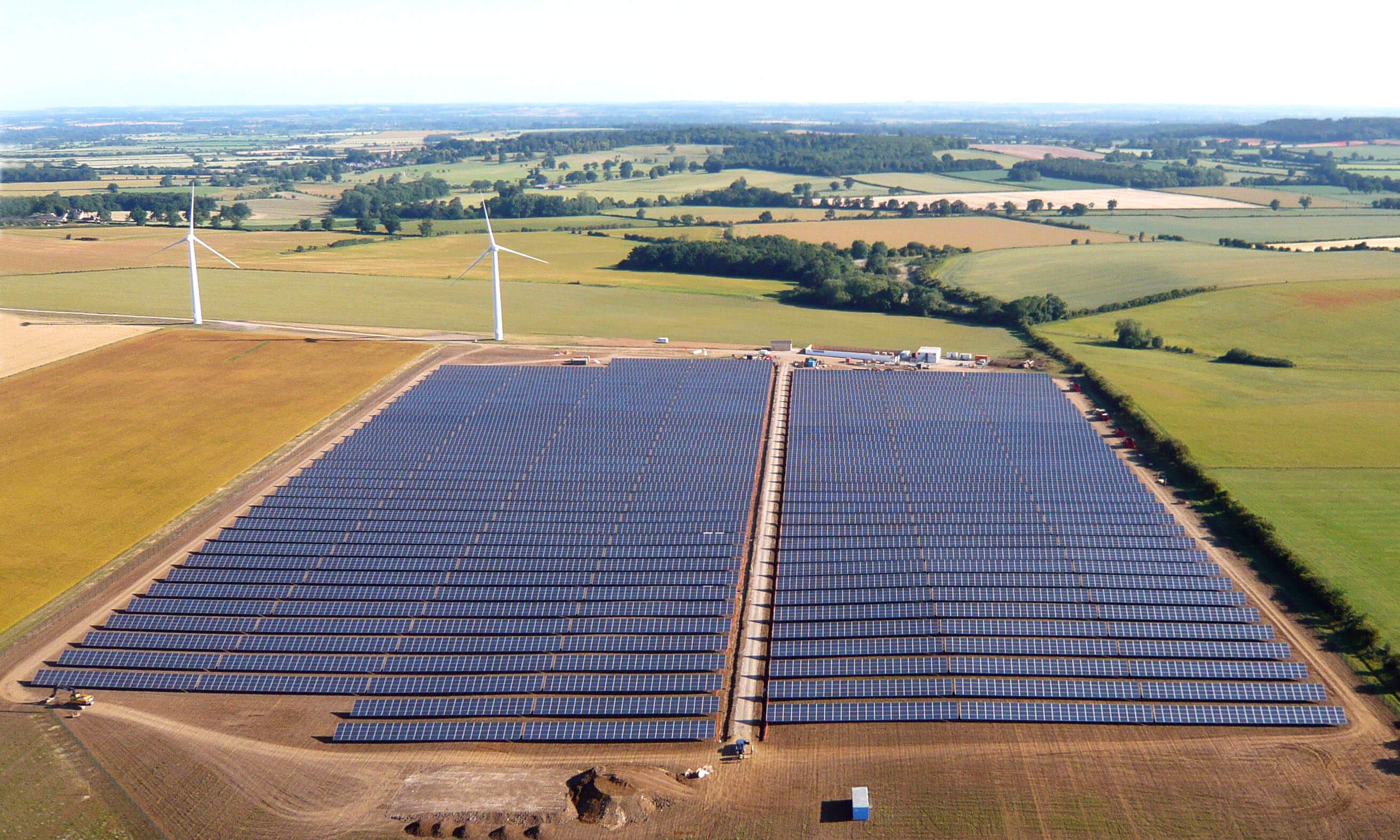
Carbon reduction strategies operate across multiple fronts, aiming to both decrease emissions at their source and remove existing greenhouse gases from the atmosphere. The primary mechanism involves transitioning away from fossil fuels—coal, oil, and natural gas—towards low-carbon and zero-carbon energy sources such as solar power, wind power, nuclear energy, and geothermal energy. This transition is supported by advancements in energy storage technologies like batteries and green hydrogen. Beyond energy, industrial processes are being re-engineered for efficiency and electrification, while the transportation sector is shifting towards electric vehicles and sustainable biofuels. Land use changes, including reforestation and improved agricultural practices, play a crucial role in sequestering carbon. Furthermore, emerging technologies like carbon capture, utilization, and storage (CCUS) and direct air capture (DAC) aim to remove CO2 already present in the atmosphere.
📊 Key Facts & Numbers
The scale of carbon reduction required is staggering. The renewable energy sector saw significant growth, with solar and wind power capacity additions reaching new highs. Investments in clean energy technologies surpassed $1.7 trillion in 2023, a record high, but are still considered insufficient to meet climate targets. The cost of solar photovoltaic power has decreased by over 85% since 2010, making it increasingly competitive with fossil fuels.
👥 Key People & Organizations
Numerous individuals and organizations are at the forefront of carbon reduction efforts. Al Gore, through his documentary "An Inconvenient Truth" and subsequent advocacy, significantly raised public awareness about climate change. Christiana Figueres, former Executive Secretary of the UNFCCC, was instrumental in brokering the Paris Agreement. Bill Gates has championed technological solutions through his Breakthrough Energy Ventures, investing in innovations across various sectors. Major international bodies like the United Nations and its affiliated agencies, along with organizations such as the World Economic Forum, convene global dialogues and set policy frameworks. On the corporate side, companies like Tesla have driven the electric vehicle revolution, while energy giants like Ørsted have pivoted aggressively towards offshore wind power. Research institutions like Stockholm Environment Institute and Woodwell Climate Research Center provide critical scientific data and analysis.
🌍 Cultural Impact & Influence
Carbon reduction has profoundly reshaped global culture, politics, and economics. It has fueled the rise of the environmental movement, influencing consumer behavior, corporate social responsibility, and international diplomacy. The concept of a 'green economy' has gained prominence, driving innovation in sectors like renewable energy, sustainable agriculture, and circular economy models. Media coverage of climate change has intensified, with documentaries, news reports, and fictional narratives increasingly exploring themes of environmental crisis and solutions. This cultural shift has also led to the emergence of climate activism, with groups like Extinction Rebellion and Fridays for Future employing direct action and youth mobilization to pressure governments and corporations. The discourse around carbon reduction has also permeated everyday life, influencing choices in diet, travel, and consumption.
⚡ Current State & Latest Developments
The current state of carbon reduction is characterized by a complex interplay of progress and persistent challenges. While renewable energy deployment is accelerating, with International Energy Agency (IEA) data showing record capacity additions in 2023, global emissions continue to rise, albeit at a slower pace than previously projected. The COP28 summit in Dubai concluded with a call for transitioning away from fossil fuels, a significant diplomatic achievement, but lacked concrete timelines for phasing them out entirely. Many nations are implementing or strengthening carbon pricing mechanisms, such as the EU Emissions Trading System, to incentivize reductions. However, the pace of technological deployment and policy implementation remains insufficient to meet the 1.5°C target. Geopolitical factors, energy security concerns, and economic pressures continue to influence the speed and scale of decarbonization efforts worldwide.
🤔 Controversies & Debates
The path to carbon reduction is fraught with significant controversies and debates. A central tension lies between the urgency demanded by climate science and the economic and social realities of transitioning away from fossil fuel-dependent economies. Critics of aggressive decarbonization policies often cite concerns about job losses in traditional energy sectors, increased energy costs for consumers, and the economic competitiveness of nations implementing stringent regulations. The role and efficacy of technologies like CCUS are debated, with some viewing them as essential tools and others as a distraction that prolongs reliance on fossil fuels. Furthermore, debates persist over the equitable distribution of the burden of carbon reduction, particularly concerning the responsibilities of developed nations versus developing economies, and the potential for 'climate colonialism' in the implementation of global climate policies. The effectiveness and fairness of carbon markets and offset schemes also remain contentious.
🔮 Future Outlook & Predictions
The future outlook for carbon reduction hinges on a dramatic acceleration of current trends and the successful deployment of new technologies. Projections suggest that if current policies are fully implemented, global warming could still reach around 2.7°C by 2100, highlighting the need for more ambitious targets and actions. Experts anticipate continued rapid growth in renewable energy, particularly offshore wind and advanced solar photovoltaic technologies. Innovations in green hydrogen production and utilization are expected to play a critical role in decarbonizing heavy industry and long-haul transport. The development and scaling of direct air capture technologies could become crucial for addressing residual emissions. However, the political will to enact transformative policies, secure necessary investments, and manage the socio-economic transitions will be the ultimate determinant of success. The next decade is widely seen as critical for setting the world on a path to a net-zero future.
💡 Practical Applications
Carbon reduction strategies have a wide array of practical applica
Key Facts
- Category
- science
- Type
- topic