
Contents
Overview
The concept of measuring diesel fuel's ignition quality emerged in the early 20th century as internal combustion engines evolved. Early researchers, including Charles F. Kettering and his team at General Motors, recognized the need for a standardized way to assess fuel performance beyond simple energy content. By the 1920s, the importance of ignition delay in diesel engines became apparent, leading to the development of standardized testing methods. The compound n-hexadecane, later named cetane, was identified as a reference fuel due to its desirable ignition properties. In 1929, the American Society for Testing and Materials (ASTM) began formalizing these tests, eventually establishing the cetane number scale. This standardized approach allowed for consistent fuel quality across different regions and manufacturers, a crucial step in the widespread adoption of diesel technology by companies like Cummins and Mercedes-Benz.
⚙️ How It Works
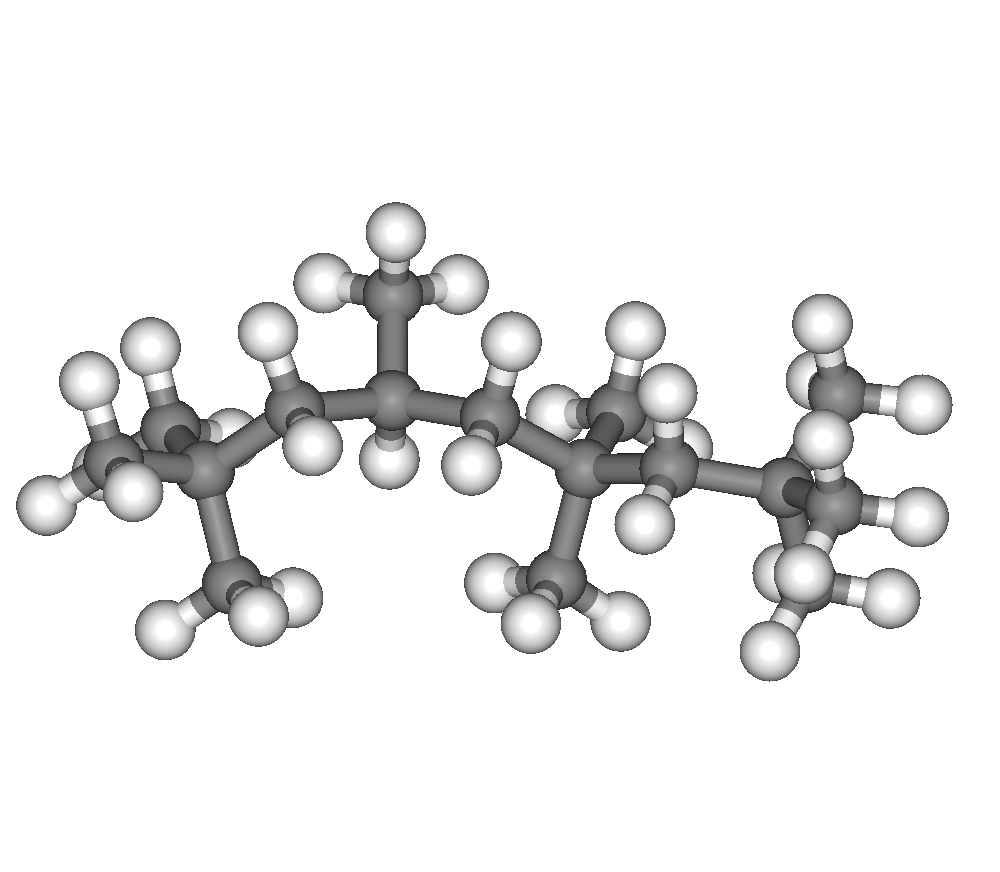
Cetane number is determined by comparing a test fuel's ignition delay period to that of two reference fuels: n-hexadecane (cetane), assigned a value of 100, and 1-methylnaphthalene, assigned a value of 0. The test is conducted in a specialized single-cylinder engine, the Cooperative Fuel Research (CFR) engine, under precisely controlled conditions of temperature, pressure, and speed. The fuel's ignition delay – the time between the start of injection and the start of combustion – is measured. The cetane number is then calculated as the volume percentage of cetane in a mixture of cetane and 1-methylnaphthalene that exhibits the same ignition delay as the test fuel. A higher cetane number means the fuel ignites more readily and with a shorter delay, resulting in a smoother, more controlled combustion event within the diesel engine's cylinder.
📊 Key Facts & Numbers
The typical cetane number for commercially available diesel fuel ranges from 40 to 55. Premium diesel fuels can achieve cetane numbers as high as 60 or more. Fuels with a cetane number below 40 are generally considered low quality and may cause engine knocking, increased noise, and higher emissions. The minimum cetane number required by many engine manufacturers is 45 for standard diesel and 50 for premium grades. In the United States, the average cetane number of on-road diesel fuel has hovered around 47-48 in recent years, according to the U.S. Energy Information Administration (EIA). Europe generally mandates higher cetane numbers, often around 51, due to different engine designs and emissions standards set by the European Union.
👥 Key People & Organizations
While no single individual is solely credited with the invention of the cetane number, its development was a collaborative effort within the automotive and petroleum industries. Key organizations instrumental in its standardization include the ASTM International, which developed and maintains the testing procedures (e.g., ASTM D613). Major oil companies like ExxonMobil, Shell, and Chevron have been pivotal in both fuel formulation and research to meet evolving cetane standards. Engine manufacturers such as Cummins, Detroit Diesel, and Volvo Group also play a crucial role by specifying minimum cetane requirements for their engines, influencing fuel producers to meet these demands.
🌍 Cultural Impact & Influence
The cetane number has profoundly shaped the diesel engine industry and the perception of diesel fuel. A higher cetane number directly correlates with smoother engine operation, often referred to as a 'quieter' or 'softer' combustion sound, which is a desirable characteristic for many consumers and fleet operators. This improved combustion efficiency also contributes to easier cold-weather starting, a significant advantage in colder climates. Furthermore, by promoting more complete combustion, higher cetane fuels can help reduce particulate matter (soot) and nitrogen oxide (NOx) emissions, aligning with increasingly stringent global environmental regulations like Euro 6 standards. The pursuit of higher cetane numbers has become a competitive differentiator for fuel brands, influencing marketing strategies and consumer choice.
⚡ Current State & Latest Developments
The current landscape for cetane number is shaped by tightening emissions regulations and the increasing demand for cleaner-burning fuels. Many regions are pushing for higher minimum cetane standards to meet these goals. For instance, the U.S. Environmental Protection Agency (EPA) has influenced fuel quality standards, indirectly encouraging higher cetane levels through emission reduction targets. The development of advanced diesel engine technologies, such as common-rail direct injection systems, also benefits from and necessitates higher cetane fuels for optimal performance and efficiency. Research continues into advanced cetane number improvers, chemical additives that can boost the CN of lower-grade fuels, making them suitable for modern engines and regulatory compliance.
🤔 Controversies & Debates
A persistent debate revolves around the optimal cetane number and its trade-offs. While higher cetane generally offers benefits like smoother operation and reduced emissions, excessively high cetane numbers can sometimes lead to slightly reduced power output or fuel economy in certain engine designs, as the fuel ignites too quickly. Another point of contention is the cost associated with producing higher cetane fuels, which can be more expensive due to refining processes or the addition of cetane improvers. Some critics argue that focusing solely on cetane number overlooks other critical fuel properties like energy density and lubricity, which are equally important for engine longevity and performance. The balance between regulatory compliance, cost-effectiveness, and optimal engine performance remains a complex challenge for fuel producers and engine manufacturers.
🔮 Future Outlook & Predictions
The future of cetane number is intrinsically linked to the evolution of diesel engines and alternative fuels. As internal combustion engines continue to be refined for efficiency and emissions reduction, the demand for higher cetane fuels is likely to persist, potentially reaching average numbers in the mid-50s or higher. The rise of biodiesel and renewable diesel fuels presents an interesting dynamic, as these fuels often possess naturally high cetane numbers (typically 55-65). The integration of these sustainable fuels into the market will likely elevate overall diesel fuel quality. However, the long-term trajectory of diesel engines themselves, facing competition from electric vehicles and hydrogen fuel cells, will ultimately dictate the sustained relevance of cetane number as a primary fuel quality metric.
💡 Practical Applications
Cetane number is a fundamental specification for diesel fuels used in a vast array of applications. Its primary use is in the diesel engines powering trucks, buses, agricultural machinery, construction equipment, and marine vessels. It's also crucial for diesel generators used in backup power systems and for heating oil in some residential and commercial applications. Fuel producers use cetane number to grade and market their diesel products, with higher numbers often commanding a premium price. Mechanics and fleet managers rely on this metric to ensure they are using fuel compatible with their engines, preventing potential damage and ensuring optimal performance. The standardization of cetane testing by bodies like ISO and ASTM ensures global consistency in fuel quality.
Key Facts
- Category
- science
- Type
- topic