
Contents
Overview
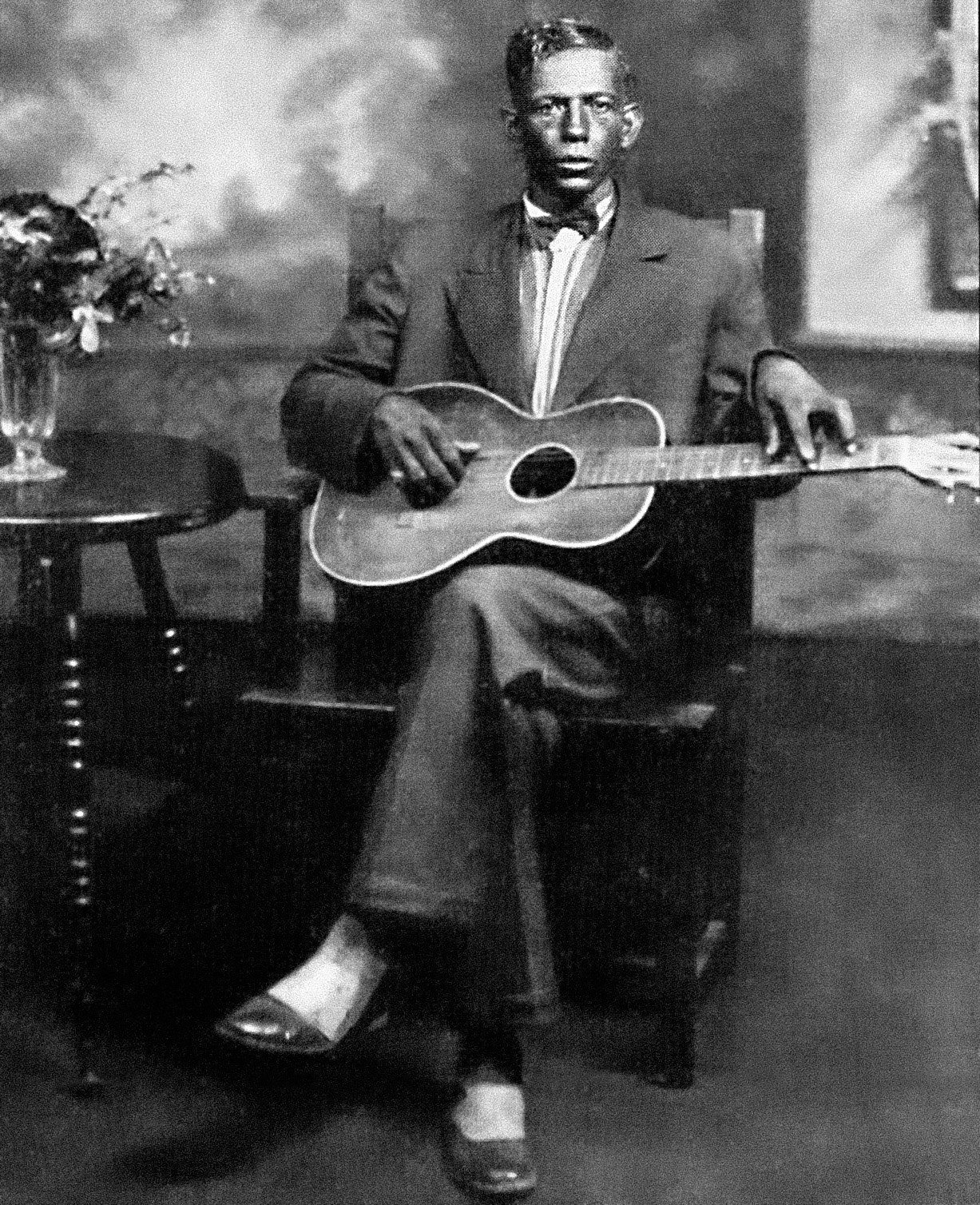
Charley Patton (c. 1891 – April 28, 1934) stands as a foundational titan of the Delta blues, a musician whose raw, percussive guitar work and gravelly, commanding vocals carved out a sonic blueprint that would echo through generations of blues, rock and roll, and country music. Active primarily in Mississippi, Patton was a prolific recording artist for Paramount Records and Gennett Records between 1929 and 1934, leaving behind a catalog of nearly 70 songs that showcase his immense talent and innovative approach. His music was often characterized by sliding guitar techniques, complex rhythmic patterns, and a vocal delivery that could shift from a haunting moan to a boisterous shout, all delivered with an undeniable charisma that captivated audiences in juke joints and on record.
Patton's influence is immeasurable, even if his name isn't as universally recognized by the casual listener as some of his successors. He was a true entertainer, a showman who understood how to connect with his audience, often incorporating spoken asides and vocal inflections that added layers of storytelling to his already potent songs. While the exact details of his life are shrouded in the mists of time and legend, his recordings remain a vibrant testament to his artistry and his pivotal role in shaping the landscape of American roots music. He wasn't just a bluesman; he was a cultural force whose music embodied the spirit and struggles of the Deep South.
Early Life & Influences
Born in Hinds County, Mississippi, Charley Patton’s early life was steeped in the rural South, where music was an integral part of daily life. His family later moved to Dockery Plantation near Ruleville, Mississippi, a significant cotton plantation that became a hub for musical activity. It was here that Patton began to hone his guitar skills, reportedly learning from Henry Sloan, another plantation musician. His early influences were a mix of folk ballads, work songs, and the emerging blues, all filtered through his unique sensibility. He developed a distinctive finger-picking style and a percussive approach to the guitar, often using a bottleneck slide to create wailing, vocal-like tones. His performances were legendary, drawing crowds and establishing him as a prominent figure in the local music scene long before his recording career began.
Career & Discography
Patton’s recording career, though tragically short, was remarkably prolific. He made his first recordings for Paramount Records in 1929, followed by sessions for Gennett Records and its subsidiaries. His breakthrough hit, "Pony Blues," recorded in 1929, showcased his signature slide guitar and powerful vocals, becoming a significant seller. Over the next few years, he recorded a vast repertoire, including "High Water Everywhere, Parts 1 & 2," a haunting account of the 1927 Mississippi flood, "Banty Rooster Blues," and "When the Levee Breaks," which would later be famously reinterpreted by Led Zeppelin. His recordings were characterized by their raw energy, rhythmic complexity, and Patton’s commanding stage presence, which translated effectively to wax. He often performed with a repertoire of over 150 songs, demonstrating an astonishing creative output.
Legacy & Influence
Charley Patton’s legacy is that of a true pioneer. He is widely considered the "Father of the Delta Blues," and his innovations laid the groundwork for countless musicians who followed. His percussive guitar technique, slide work, and vocal stylings directly influenced artists like Son House, Robert Johnson, and Howlin' Wolf. The raw emotion and storytelling in his lyrics provided a template for blues musicians for decades. Even his contemporaries recognized his prowess; Jelly Roll Morton, a jazz pianist, reportedly commented on Patton’s skill. The rediscovery of his music during the folk revival of the 1960s introduced him to a new generation, solidifying his place in the pantheon of American music.
Cultural Impact
Beyond his musical contributions, Patton was a significant cultural figure in the Mississippi Delta. He was a performer who commanded attention, a musician who articulated the experiences of African Americans in the Jim Crow South through his music. His songs touched on themes of hardship, love, loss, and resilience, providing a soundtrack to life in the Delta. His performances in juke joints and at picnics were vital social events. The sheer volume and quality of his recorded output, especially considering the limited technology and challenging circumstances of the era, speak to his immense talent and impact. His music continues to resonate, a powerful reminder of the enduring strength and artistry of the blues.
Key Facts
- Year
- c. 1891-1934
- Origin
- Hinds County, Mississippi
- Category
- music
- Type
- artist
Frequently Asked Questions
When was Charley Patton born and when did he die?
The exact birth date of Charley Patton is debated among historians, but the most widely accepted estimate places his birth around 1891. He passed away on May 28, 1934. His life spanned a critical period of musical and social development in the American South, and his death occurred relatively young, cutting short a prolific career.
What are Charley Patton's most famous songs?
Some of Charley Patton's most iconic and frequently cited songs include "Pony Blues," "High Water Everywhere (Parts 1 & 2)," "Hammer Blues," "Green River Blues," and "Bird Nest Bound." These tracks exemplify his distinctive guitar style, powerful vocals, and lyrical storytelling, capturing the essence of the Delta blues.
Where did Charley Patton primarily live and perform?
Charley Patton spent most of his life in the Mississippi Delta region, particularly around towns like Holly Ridge, Dockery Plantation, and later near Cleveland, Mississippi. He was a traveling musician, performing in juke joints, parties, and picnics throughout the Delta and surrounding areas, making him a central figure in the local music scene.
Was Charley Patton a significant influence on other musicians?
Absolutely. Patton is widely regarded as one of the most influential figures in Delta blues. Musicians like Son House, Robert Johnson, and Howlin' Wolf have all acknowledged his impact, either directly through mentorship or indirectly through his groundbreaking recordings. His guitar techniques and performance style set a benchmark for many who followed.
What makes Charley Patton's guitar playing unique?
Patton's guitar playing was characterized by its percussive, rhythmic drive, often achieved by hitting the guitar body while playing. He was a master of slide guitar and employed innovative tunings, creating a sound that was both complex and raw. His technique was highly influential, blending melodic lines with a powerful, almost orchestral, rhythmic foundation.
Are there any surviving recordings of Charley Patton?
Yes, there are over 150 surviving recordings of Charley Patton, primarily made between 1929 and 1934 for labels like Paramount and Vocalion. These recordings are crucial for understanding his artistry and have been reissued numerous times, making his music accessible to modern audiences.