
Contents
Overview
The genesis of Circle K traces back to 1951 when Fred Harvey established a small grocery store in El Paso, Texas, initially named Kay's Kwick Kup. The company's early growth was fueled by a strategic expansion into neighboring states and the introduction of a franchise program, allowing independent operators to adopt the Circle K brand. This period saw the brand become a recognizable fixture in the American Southwest. However, the company's trajectory wasn't always smooth; it navigated financial turbulence before its eventual acquisition by the Canadian conglomerate Alimentation Couche-Tard.
⚙️ How It Works
At its core, Circle K operates on a model of high-volume, low-margin retail, prioritizing accessibility and speed. Stores are strategically located in high-traffic areas, including urban centers, suburban neighborhoods, and along major travel routes, often co-located with gas stations. The product mix is a carefully curated blend of convenience staples: fresh and packaged foods, beverages (including its signature Polar Pop fountain drinks), tobacco products, lottery tickets, and basic household necessities. Many locations also offer prepared foods like hot dogs, sandwiches, and coffee, catering to immediate consumption needs. The operational efficiency is driven by standardized inventory management, supply chain logistics managed by Alimentation Couche-Tard, and a focus on customer service that emphasizes quick transactions, often facilitated by self-checkout options and mobile payment integration.
📊 Key Facts & Numbers
Circle K's sheer scale is staggering. The brand's revenue is a significant contributor to its parent company, Alimentation Couche-Tard. Globally, the convenience store sector is a multi-billion dollar industry, and Circle K holds a substantial market share, competing fiercely with rivals like 7-Eleven and Speedway.
👥 Key People & Organizations
The driving force behind Circle K's modern iteration is Alimentation Couche-Tard, a Canadian retail giant. While Couche-Tard acquired Circle K, the brand's operational leadership and strategic direction are firmly rooted within this parent organization. Key figures within Couche-Tard have been instrumental in orchestrating the global rebranding efforts and expansion strategies that have shaped the Circle K brand into its current form. Beyond the corporate structure, the network of franchise owners and their employees are the frontline representatives of the brand, managing the day-to-day operations and customer interactions across diverse geographic markets.
🌍 Cultural Impact & Influence
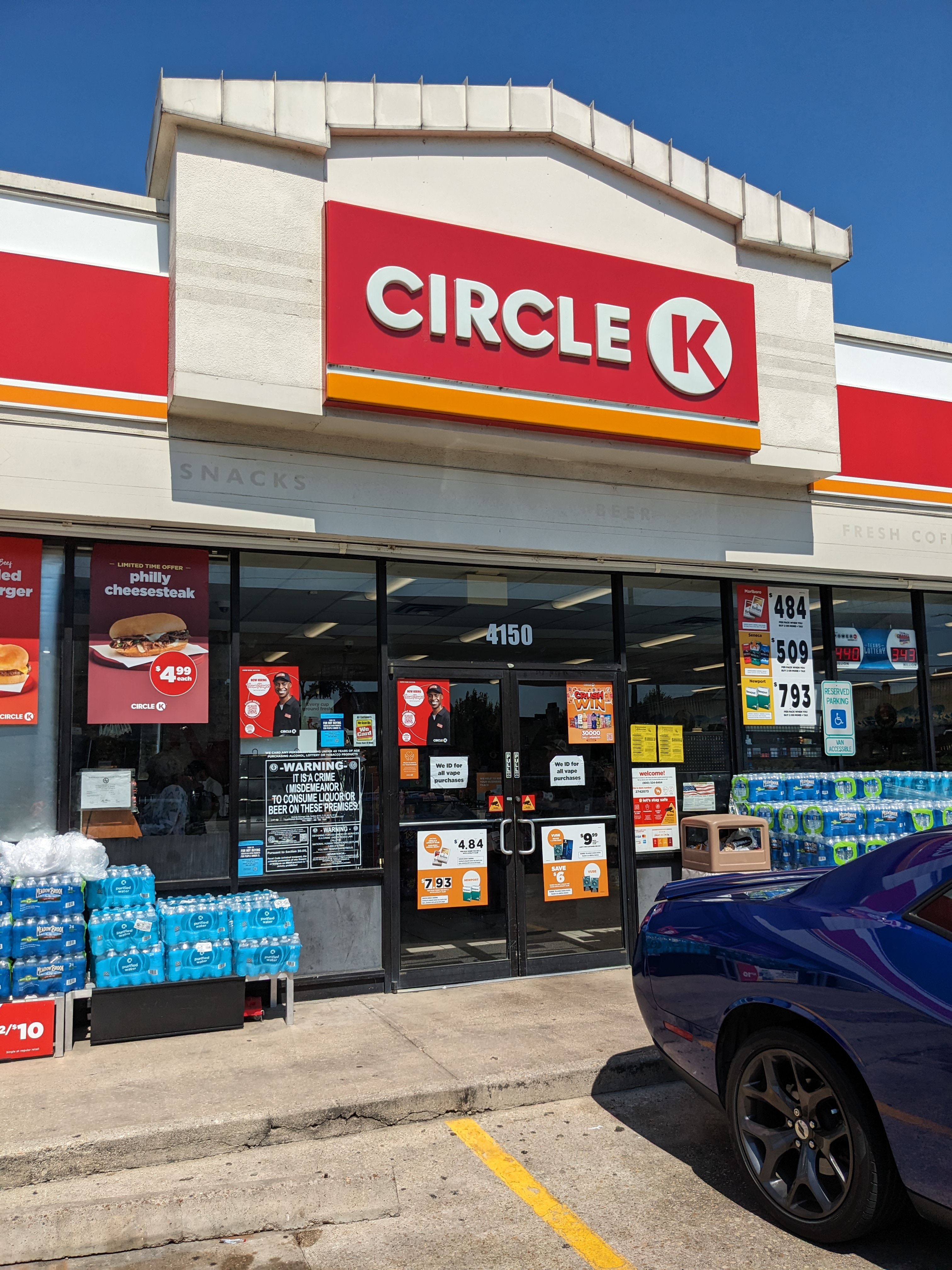
Circle K has woven itself into the fabric of everyday life, becoming a cultural touchstone for convenience and quick sustenance. It's the ubiquitous pit stop for road trips, the late-night savior for forgotten groceries, and the go-to for a quick caffeine fix. The brand's distinctive red, white, and yellow logo is instantly recognizable, appearing on everything from gas station signage to branded merchandise. Its association with fuel and travel makes it a symbol of mobility and the American road trip, immortalized in countless cultural references. The 2015 global rebranding, which unified disparate regional brands like Mac's in Canada and Statoil in Europe, cemented Circle K's status as a globally recognized convenience powerhouse, influencing consumer habits and expectations for on-the-go consumption worldwide.
⚡ Current State & Latest Developments
In recent years, Circle K has been actively investing in digital transformation and enhancing the in-store customer experience. This includes the rollout of mobile payment options, loyalty programs like the Circle K Easy Rewards app, and the expansion of its food and beverage offerings, with a particular focus on fresh options and healthier choices. The company is also exploring new store formats and optimizing existing ones to better serve evolving consumer demands. Furthermore, Alimentation Couche-Tard has been expanding its electric vehicle charging infrastructure at select Circle K locations, aligning with the broader shift towards sustainable transportation. The brand continues to pursue strategic acquisitions and franchise growth, aiming to solidify its market leadership in key regions and explore new international territories.
🤔 Controversies & Debates
The global expansion and rebranding of Circle K have not been without their critics. The consolidation of distinct regional brands under a single, uniform identity has sometimes been met with nostalgia for the unique character of the former brands, such as the beloved Mac's in Canada. Concerns have also been raised regarding the labor practices within the convenience store sector, including issues related to wages, working conditions, and employee safety, which are often debated in the context of large multinational corporations like Alimentation Couche-Tard. Additionally, the environmental impact of single-use plastics associated with many convenience store products, from beverage cups to food packaging, remains a persistent point of contention and a challenge for the industry.
🔮 Future Outlook & Predictions
The future of Circle K appears to be heavily influenced by technological integration and evolving consumer preferences. Expect continued investment in digital platforms, including enhanced mobile apps for ordering, payment, and loyalty rewards, potentially integrating with autonomous delivery services. The company is likely to further diversify its food and beverage portfolio, with a greater emphasis on fresh, healthy, and locally sourced options, as well as plant-based alternatives. The expansion of electric vehicle charging stations will almost certainly continue, positioning Circle K as a convenient charging hub. Furthermore, Alimentation Couche-Tard may pursue further strategic acquisitions to expand its global reach or enter new market segments, potentially exploring partnerships with other retail or service providers to offer a more comprehensive customer experience.
💡 Practical Applications
Circle K serves as a critical node in the daily lives of millions, offering a diverse range of practical applications. Its most fundamental role is providing immediate access to fuel, food, and beverages for commuters, travelers, and local residents. Beyond basic necessities, Circle K locations often function as informal community hubs, offering services like ATMs, lottery ticket sales, and postal services in some regions. For travelers, they are essential rest stops providing restrooms, snacks, and travel essentials. The brand's widespread presence also makes it a key player in the quick-service restaurant sector, offering grab-and-go meals and coffee that compete directly with fast-food chains. Furthermore, its role in the distribution of tobacco and convenience items makes it a significant entity within the retail landscape.
Key Facts
- Category
- culture
- Type
- topic