
Contents
Overview
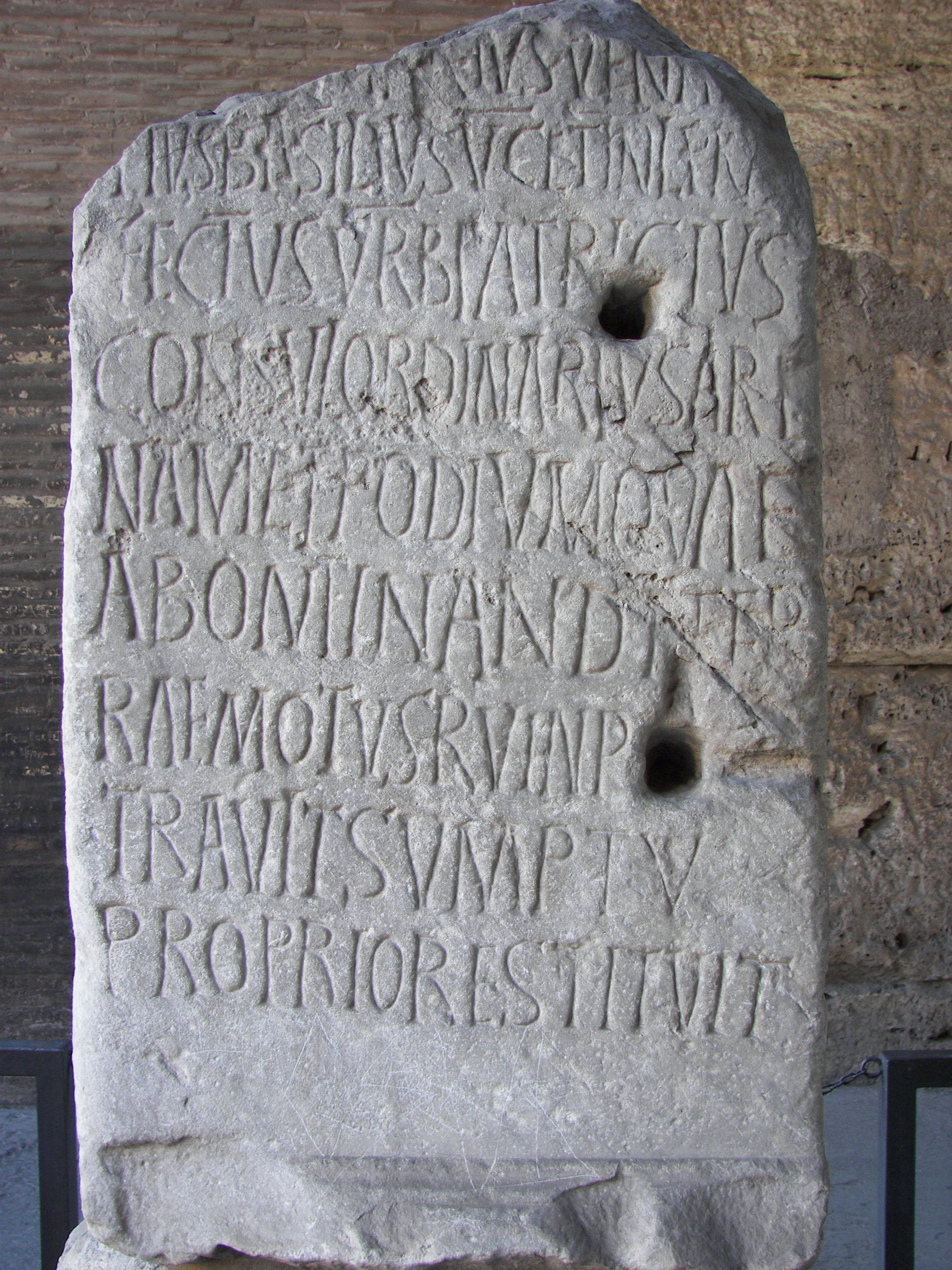
Classical Latin emerged around 75 BC from Old Latin and was the dominant literary form until the 3rd century AD, when it evolved into Late Latin. This period, encompassing the late Roman Republic and the early Roman Empire, is considered the zenith of Latin literature. Authors like Cicero and Virgil set the standard, influencing not only their contemporaries but also subsequent generations of writers and thinkers. The formalization of Classical Latin was closely tied to the development of grammar and rhetoric schools, which aimed to preserve and propagate educated speech, as documented in works like those by Quintilian. The study of Classical Latin is still the default for modern Latin textbooks, as seen on platforms like Latinitium.
✍️ How It Works
The structure and vocabulary of Classical Latin were meticulously crafted and preserved through rigorous study and emulation of esteemed authors. It is characterized by its clarity, precision, and stylistic elegance, making it a powerful tool for expressing complex ideas in philosophy, law, and literature. While spoken Latin evolved into various Romance languages, Classical Latin remained the benchmark for written expression. Resources like Hackett Publishing's "Classical Latin: An Introductory Course" and OpenLearn's "Getting started on classical Latin" course aim to guide learners through its intricacies, emphasizing the importance of understanding grammar and sentence structure, much like the foundational principles discussed in general language learning resources.
🏛️ Cultural Impact
The cultural impact of Classical Latin is immeasurable. It formed the linguistic foundation for the Roman Empire's administration, law, and culture, and its influence extended far beyond its geographical reach. The literature produced in Classical Latin, including works by Ovid, Caesar, and Seneca, has been a cornerstone of Western literary tradition, studied for centuries. Many of these classic texts, such as Virgil's Aeneid and Cicero's orations, are still widely read and analyzed, as evidenced by lists on Goodreads and Wikisource. The study of Classical Latin also provides a deeper understanding of English vocabulary and grammar, as a significant portion of English words are derived from Latin roots.
📚 Legacy & Future
Classical Latin continues to be a vital subject of study, offering profound insights into history, philosophy, and literature. Its legacy is evident not only in the Romance languages but also in the technical vocabulary of fields like law, medicine, and science. While no longer a spoken vernacular, its written form remains a powerful testament to the intellectual achievements of the Roman world. Educational initiatives, such as those offered by Classical Academic Press and The National Archives, continue to promote the study of Latin, highlighting its enduring relevance and the intellectual virtues it cultivates. The ongoing interest in Classical Latin is reflected in the continued publication of new editions and scholarly works, ensuring its place in the study of the humanities.
Key Facts
- Year
- 75 BC - 3rd century AD
- Origin
- Roman Republic and early Roman Empire
- Category
- history
- Type
- term
Frequently Asked Questions
What is the difference between Classical Latin and Vulgar Latin?
Classical Latin refers to the standardized literary form used by educated Romans during the late Republic and early Empire, exemplified by authors like Cicero and Virgil. Vulgar Latin, on the other hand, was the colloquial, spoken form of Latin used by the general populace, which varied regionally and over time, eventually evolving into the Romance languages. While Classical Latin was preserved in literature and formal education, Vulgar Latin was the dynamic, everyday language.
Why is Classical Latin still studied today?
Classical Latin is studied today for its rich literary tradition, its foundational role in Western civilization, and its influence on modern languages, particularly English and the Romance languages. It provides deep insights into Roman history, philosophy, and culture, and its study hones analytical and linguistic skills. Many modern textbooks and academic programs, such as those offered by Latinitium and Hackett Publishing, focus on Classical Latin as the standard for learning.
Who were some of the most important authors of Classical Latin literature?
Key authors of Classical Latin literature include Cicero, renowned for his oratory and philosophical works; Virgil, celebrated for his epic poetry, particularly the Aeneid; Ovid, known for his mythological narratives like the Metamorphoses; and Julius Caesar, whose Commentaries on the Gallic War are significant historical and stylistic works. These authors, along with many others, established the literary standards of the period.
How did Classical Latin influence English?
Classical Latin has had a profound impact on the English language. A significant portion of English vocabulary, especially in academic, scientific, legal, and theological fields, is derived from Latin. Understanding Latin grammar and vocabulary can greatly enhance one's comprehension and mastery of English, as highlighted by resources from Classical Academic Press.
What is the difference between Classical Latin and Ecclesiastical Latin?
Classical Latin refers to the literary standard of ancient Rome, used from roughly 75 BC to the 3rd century AD. Ecclesiastical Latin, on the other hand, is the form of Latin used by the Roman Catholic Church, which evolved from Late Latin and incorporates some differences in pronunciation and usage compared to Classical Latin. While Classical Latin is often the focus of academic study, Ecclesiastical Latin remains in liturgical use.
References
- en.wikipedia.org — /wiki/Classical_Latin
- goodreads.com — /shelf/show/latin-classics
- open.edu — /openlearn/history-the-arts/getting-started-on-classical-latin/content-section-0
- open.edu — /openlearn/history-the-arts/getting-started-on-classical-latin/content-section-0
- ancientlanguage.com — /learn-latin/
- reddit.com — /r/latin/comments/12850kz/what_is_the_difference_between_latin_and/
- reddit.com — /r/classics/comments/1h4m8rn/what_were_the_best_books_written_in_latin/
- hackettpublishing.com — /classicallatin