
Contents
Overview
Cookbook photography is a specialized genre of commercial photography dedicated to capturing food in a way that is both aesthetically pleasing and informative, aiming to entice readers to recreate dishes. It blends technical skill in lighting, composition, and styling with an understanding of culinary arts and marketing. This field has evolved dramatically from early, often utilitarian, black-and-white images to the vibrant, high-definition, and often narrative-driven visuals seen in contemporary cookbooks and digital platforms. The success of a cookbook often hinges on its photography, influencing sales, reader engagement, and the overall perception of the cuisine and author. Modern cookbook photography frequently incorporates lifestyle elements, emphasizing the experience of cooking and dining, not just the final product.
🎵 Origins & History
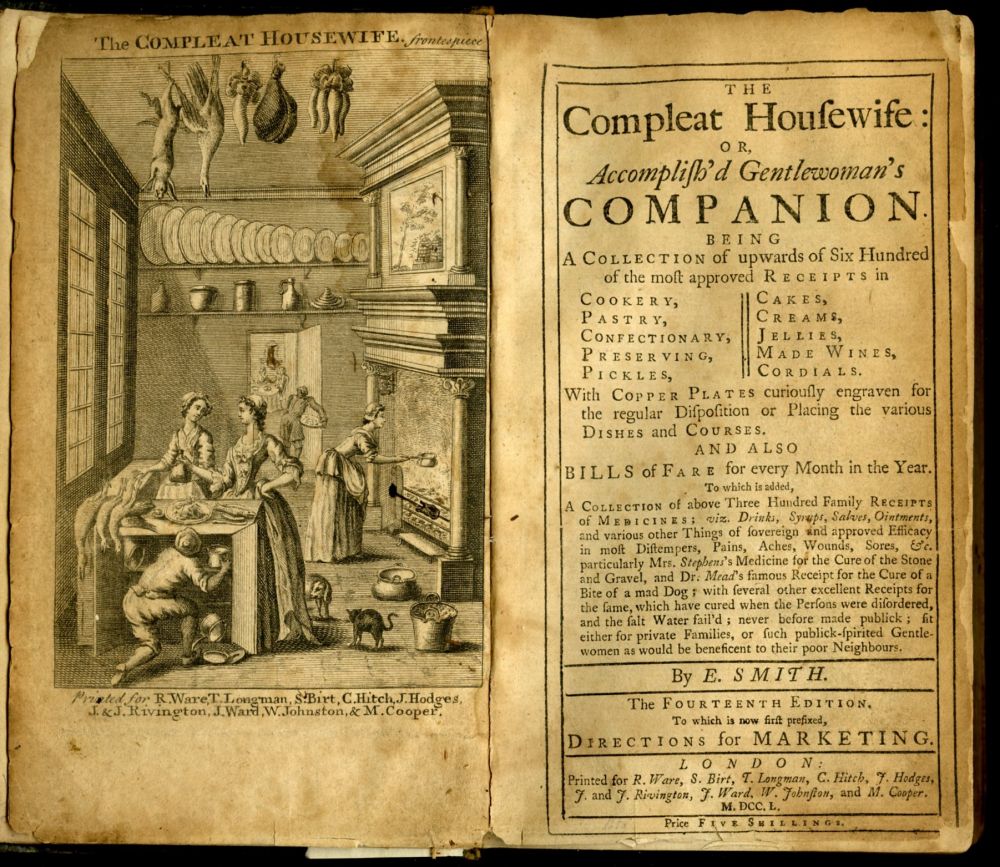
The history of cookbook photography has seen a significant evolution. Initially, images were often rudimentary, black-and-white line drawings or basic halftones, serving a purely illustrative purpose. The late 20th century brought about a shift towards more naturalistic and 'real' food photography, moving away from the overly processed and artificial look of earlier eras, influenced by chefs and stylists who emphasized authenticity.
⚙️ How It Works
At its core, cookbook photography involves meticulous planning and execution. Photographers work closely with food stylists, who prepare and arrange the food, often using techniques like glycerin for shine, hairspray for crispness, or even inedible props to maintain appearance under hot lights. Lighting is paramount, with photographers choosing between natural light (often diffused window light) or artificial studio lighting to create mood and highlight texture. Composition involves strategic placement of the dish, props (like cutlery, linens, and garnishes), and backgrounds to guide the viewer's eye. Camera settings, including aperture, shutter speed, and ISO, are adjusted to control depth of field, capture detail, and ensure proper exposure. Post-production, including color correction, sharpening, and retouching, is crucial for achieving the final polished look that graces the pages of a cookbook.
📊 Key Facts & Numbers
A single high-profile cookbook project can involve hundreds of images. The demand for high-quality food imagery is substantial, with the rise of food blogs and social media further amplifying this need.
👥 Key People & Organizations
The field has seen contributions from many talented individuals and organizations. The rise of food blogs and social media, heavily reliant on compelling photography, has democratized food media.
🌍 Cultural Impact & Influence
Cookbook photography has profoundly shaped how we perceive food and cooking. It has elevated the act of preparing and consuming meals from a mere necessity to an aspirational lifestyle. The rise of food blogs and social media, heavily reliant on compelling photography, has democratized food media, allowing individuals to build careers based on their visual storytelling. This visual emphasis has also contributed to the popularity of certain cuisines and dietary trends, making food photography a powerful cultural force, impacting everything from grocery store choices to travel destinations.
⚡ Current State & Latest Developments
The current landscape of cookbook photography is dominated by a move towards authenticity and storytelling. Gone are the days of overtly artificial food styling; today's images often aim for a 'just-made' feel, showcasing imperfections and natural textures. Natural light photography remains popular, often paired with minimalist styling and a focus on the ingredients themselves. There's also a growing trend towards lifestyle integration, where photos depict the entire cooking process, the dining experience, or the social aspect of sharing food. The integration of augmented reality (AR) in some digital cookbooks is also beginning to emerge, hinting at future interactive visual experiences.
🤔 Controversies & Debates
A persistent debate in cookbook photography revolves around authenticity versus idealization. Critics argue that overly polished or manipulated images create unrealistic expectations for home cooks, leading to disappointment when their own attempts don't match the glossy perfection. The use of inedible props or techniques to make food look better than it actually is, a practice common in early food photography, is often frowned upon today, though its complete eradication is unlikely. Another point of contention is the homogenization of food photography styles, with some arguing that the pursuit of a certain 'look' (e.g., moody, dark, or minimalist) can stifle creativity and lead to a lack of distinctiveness between different cookbooks and authors. The ethical implications of presenting potentially unhealthy food in an overly appealing manner also surface periodically.
🔮 Future Outlook & Predictions
The future of cookbook photography is inextricably linked to technological advancements and evolving media consumption habits. Expect to see greater integration of augmented reality (AR) and virtual reality (VR) in future cookbook photography. AI-powered tools may assist in image generation, styling suggestions, or even personalized recipe visualization. The emphasis on storytelling and the 'behind-the-scenes' experience will likely intensify, with more photographers and authors incorporating video content and user-generated elements. As sustainability becomes a greater concern, photography might also shift to highlight seasonal, local ingredients and zero-waste cooking practices, influencing both styling and narrative. The line between cookbook photography and social media content creation will continue to blur, demanding even more dynamic and shareable visuals.
💡 Practical Applications
Cookbook photography's primary application is, of course, within the pages of cookbooks, both print and digital. However, its influence extends far beyond. Restaurants use professional food photography for their menus, websites, and advertising to attract diners. Food brands employ it in marketing campaigns, packaging, and editorial content to promote products. Food bloggers, influencers, and recipe developers on platforms like Pinterest and YouTube rely heavily on high-quality images and videos to engage their audiences and monetize their content. Even grocery stores and meal kit services utilize food photography to showcase their offerings and entice consumers. Essentially, anywhere food is sold, promoted, or shared, professional photography plays a crucial role in its presentation and appeal.
Key Facts
- Category
- aesthetics
- Type
- topic