
Contents
- 🎵 Introduction to Creole Jazz Band
- 🕺 History of Creole Jazz
- 🎶 Influence of African American Music
- 🌎 Cultural Significance of Creole Jazz
- 👥 Notable Creole Jazz Musicians
- 🎧 Creole Jazz Instruments and Sound
- 📻 Preservation and Promotion of Creole Jazz
- 🌈 Evolution and Fusion of Creole Jazz
- 🏆 Awards and Recognition
- 📚 Educational Resources and Archives
- 🎉 Creole Jazz Festivals and Events
- 👀 Conclusion and Future of Creole Jazz
- Frequently Asked Questions
- Related Topics
Overview
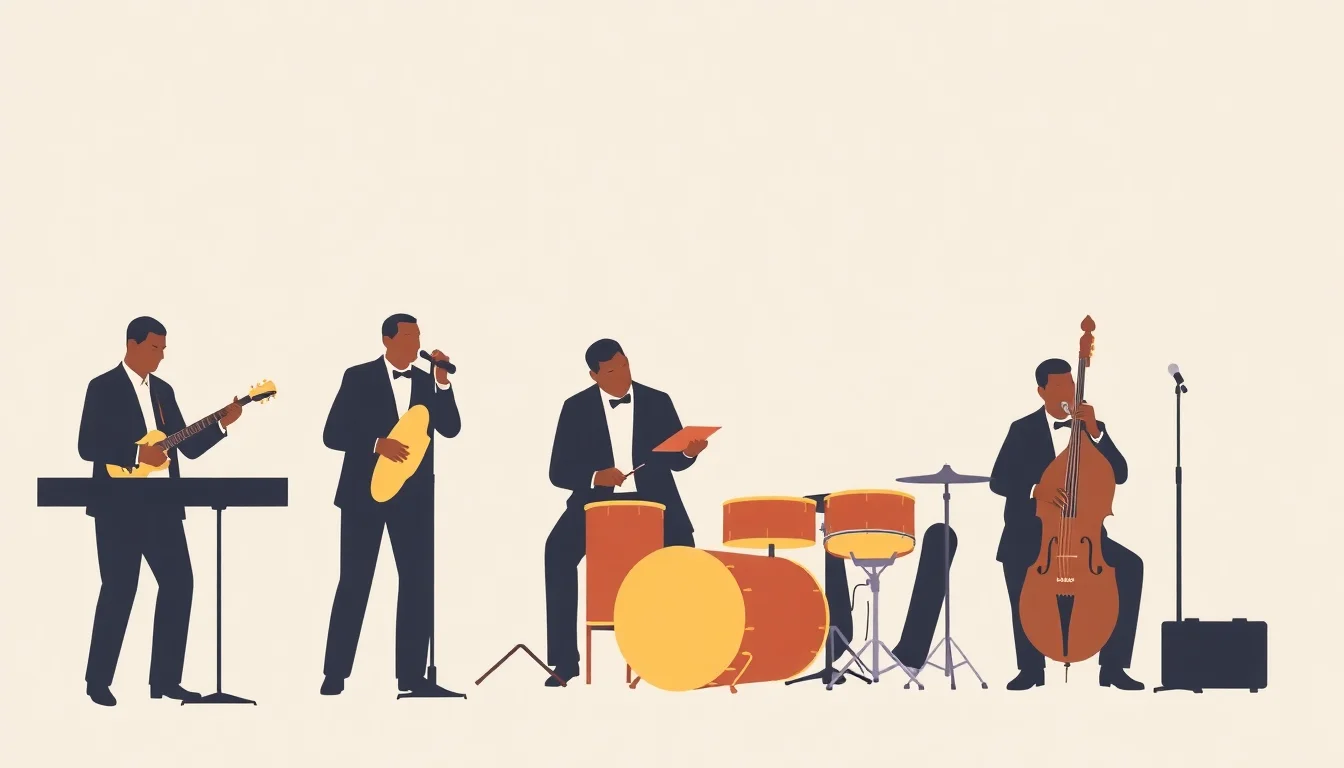
The Creole Jazz Band is a unique and fascinating genre of music that originated in the southern United States, particularly in New Orleans. This style of music is a blend of Jazz and Blues with influences from African, European, and Latin American music. The Creole Jazz Band is known for its energetic and lively sound, which is characterized by the use of Trumpet, Saxophone, and Piano. The band's music is a reflection of the city's rich cultural heritage, with influences from African American Music and Latin American Music. The Creole Jazz Band has been an important part of New Orleans' music scene for decades, with many notable musicians contributing to its development. For example, Louis Armstrong was a key figure in the development of Creole Jazz, and his music continues to inspire new generations of musicians.
🕺 History of Creole Jazz
The history of Creole Jazz is complex and multifaceted, with roots dating back to the late 19th and early 20th centuries. During this time, African American musicians in New Orleans began to experiment with different styles of music, including Blues, Jazz, and Gospel. The city's unique cultural landscape, with its blend of African, European, and Latin American influences, provided the perfect environment for the development of Creole Jazz. Musicians such as Buddy Bolden and Jelly Roll Morton were among the first to popularize the genre, with their music reflecting the city's vibrant and eclectic cultural scene. The Creole Jazz Band's music was also influenced by Traditional Music from Europe and Africa, which added to its unique sound and style.
🎶 Influence of African American Music
The influence of African American music on the Creole Jazz Band cannot be overstated. African American musicians such as Duke Ellington and Count Basie were among the first to experiment with the genre, and their music had a profound impact on its development. The Creole Jazz Band's music also reflects the influence of Work Songs and Spirituals, which were sung by African American laborers and slaves. The use of Call-and-Response patterns and Polyrhythms in Creole Jazz music is also a testament to the genre's African American roots. For example, the music of Mahalia Jackson and Sam Cooke reflects the influence of African American music on the Creole Jazz Band.
🌎 Cultural Significance of Creole Jazz
The cultural significance of Creole Jazz is immense, with the genre reflecting the city's rich cultural heritage. The Creole Jazz Band's music is a unique blend of different styles and influences, with its energetic and lively sound capturing the spirit of New Orleans. The genre has also played an important role in the city's social and economic development, with many musicians contributing to its growth and popularity. The Creole Jazz Band's music has also been influenced by Cuban Music and Haitian Music, which has added to its unique sound and style. For example, the music of Fats Domino and Professor Longhair reflects the influence of Cuban and Haitian music on the Creole Jazz Band.
👥 Notable Creole Jazz Musicians
There have been many notable Creole Jazz musicians throughout the genre's history, with each contributing to its development and popularity. Musicians such as Louis Armstrong and Jelly Roll Morton were among the first to popularize the genre, with their music reflecting the city's vibrant and eclectic cultural scene. Other notable musicians include Sidney Bechet and King Oliver, who were known for their energetic and lively performances. The Creole Jazz Band's music has also been influenced by Dixieland Jazz and Swing Music, which has added to its unique sound and style.
🎧 Creole Jazz Instruments and Sound
The Creole Jazz Band's sound is characterized by the use of a variety of instruments, including the Trumpet, Saxophone, and Piano. The genre's unique sound is also reflected in its use of Polyrhythms and Call-and-Response patterns, which add to its energetic and lively feel. The Creole Jazz Band's music has also been influenced by Latin Jazz and Afro-Cuban Music, which has added to its unique sound and style. For example, the music of Tito Puente and Chano Pozo reflects the influence of Latin Jazz and Afro-Cuban Music on the Creole Jazz Band.
📻 Preservation and Promotion of Creole Jazz
The preservation and promotion of Creole Jazz is an important aspect of the genre's continued development and popularity. Many organizations and institutions, such as the New Orleans Jazz Heritage Festival and the National Jazz Museum, are dedicated to preserving and promoting the genre. These organizations provide a platform for musicians to perform and share their music, as well as educate the public about the genre's history and cultural significance. The Creole Jazz Band's music has also been influenced by Rock and Roll and Rhythm and Blues, which has added to its unique sound and style.
🌈 Evolution and Fusion of Creole Jazz
The evolution and fusion of Creole Jazz is a testament to the genre's dynamic and ever-changing nature. The genre has been influenced by a variety of styles and genres, including Rock and Roll, Rhythm and Blues, and Hip-Hop. This fusion of styles has resulted in the creation of new and innovative sounds, with many musicians experimenting with different genres and styles. For example, the music of The Meters and The Neville Brothers reflects the influence of Rock and Roll and Rhythm and Blues on the Creole Jazz Band.
🏆 Awards and Recognition
The Creole Jazz Band has received numerous awards and recognition for its contributions to the genre. Many musicians have been awarded Grammy Awards and National Heritage Fellowships for their work in preserving and promoting the genre. The Creole Jazz Band's music has also been recognized by the Library of Congress and the National Endowment for the Arts, which have acknowledged the genre's cultural significance and importance.
📚 Educational Resources and Archives
There are many educational resources and archives available for those interested in learning more about the Creole Jazz Band. The New Orleans Jazz Archival Project and the Tulane University Jazz Archives are two examples of institutions that provide access to historical documents, recordings, and other materials related to the genre. These resources provide a wealth of information for researchers, musicians, and fans, and help to promote a greater understanding and appreciation of the Creole Jazz Band's music and cultural significance.
🎉 Creole Jazz Festivals and Events
The Creole Jazz Band's music is celebrated at numerous festivals and events throughout the year, including the New Orleans Jazz Heritage Festival and the French Quarter Festival. These events provide a platform for musicians to perform and share their music, as well as educate the public about the genre's history and cultural significance. The Creole Jazz Band's music has also been influenced by Cajun Music and Zydeco Music, which has added to its unique sound and style.
👀 Conclusion and Future of Creole Jazz
In conclusion, the Creole Jazz Band is a unique and fascinating genre of music that reflects the city's rich cultural heritage. The genre's energetic and lively sound, characterized by the use of Trumpet, Saxophone, and Piano, has captivated audiences for decades. As the genre continues to evolve and fuse with other styles, it is likely that the Creole Jazz Band's music will remain an important part of New Orleans' cultural landscape for years to come. The future of Creole Jazz looks bright, with many young musicians contributing to its development and popularity. For example, the music of Jon Cleary and Dr. John reflects the influence of Rock and Roll and Rhythm and Blues on the Creole Jazz Band.
Key Facts
- Year
- 1914
- Origin
- New Orleans, Louisiana
- Category
- Music
- Type
- Music Group
Frequently Asked Questions
What is Creole Jazz?
Creole Jazz is a unique and fascinating genre of music that originated in New Orleans. It is a blend of Jazz and Blues with influences from African, European, and Latin American music. The genre is characterized by its energetic and lively sound, which is reflected in its use of Trumpet, Saxophone, and Piano.
Who are some notable Creole Jazz musicians?
There have been many notable Creole Jazz musicians throughout the genre's history, including Louis Armstrong, Jelly Roll Morton, Sidney Bechet, and King Oliver. These musicians have contributed to the development and popularity of the genre, and their music continues to inspire new generations of musicians.
What is the cultural significance of Creole Jazz?
The cultural significance of Creole Jazz is immense, with the genre reflecting the city's rich cultural heritage. The Creole Jazz Band's music is a unique blend of different styles and influences, with its energetic and lively sound capturing the spirit of New Orleans. The genre has also played an important role in the city's social and economic development, with many musicians contributing to its growth and popularity.
How has Creole Jazz evolved over time?
The evolution and fusion of Creole Jazz is a testament to the genre's dynamic and ever-changing nature. The genre has been influenced by a variety of styles and genres, including Rock and Roll, Rhythm and Blues, and Hip-Hop. This fusion of styles has resulted in the creation of new and innovative sounds, with many musicians experimenting with different genres and styles.
What are some educational resources and archives available for Creole Jazz?
There are many educational resources and archives available for those interested in learning more about the Creole Jazz Band. The New Orleans Jazz Archival Project and the Tulane University Jazz Archives are two examples of institutions that provide access to historical documents, recordings, and other materials related to the genre. These resources provide a wealth of information for researchers, musicians, and fans, and help to promote a greater understanding and appreciation of the Creole Jazz Band's music and cultural significance.
What are some notable Creole Jazz festivals and events?
The Creole Jazz Band's music is celebrated at numerous festivals and events throughout the year, including the New Orleans Jazz Heritage Festival and the French Quarter Festival. These events provide a platform for musicians to perform and share their music, as well as educate the public about the genre's history and cultural significance.
How has Creole Jazz influenced other genres of music?
The Creole Jazz Band's music has had a significant influence on other genres of music, including Rock and Roll, Rhythm and Blues, and Hip-Hop. Many musicians have been inspired by the genre's energetic and lively sound, and have incorporated elements of Creole Jazz into their own music. For example, the music of The Meters and The Neville Brothers reflects the influence of Creole Jazz on Rock and Roll and Rhythm and Blues.