
Contents
- 🌶️ What Exactly *Is* Curry?
- 🌍 A World of Spice: Origins and Evolution
- ⚖️ The Great Curry Debate: Authenticity vs. Adaptation
- 📈 Curry's Global Vibe Score: 88/100
- 🍴 Navigating the Curry Universe: Key Styles
- 📍 Where to Find Authentic Curry Experiences
- 💰 Budgeting for Your Curry Adventure
- ⭐ User Ratings & Community Buzz
- 💡 Pro Tips for the Aspiring Curry Connoisseur
- 🚀 The Future of Curry: Innovation and Fusion
- Frequently Asked Questions
- Related Topics
Overview
Curries are far more than just a dish; they represent a dynamic culinary tradition with roots stretching back millennia across South Asia and radiating outwards to influence global palates. From the complex spice blends of Indian masalas to the coconut-rich broths of Southeast Asia and the fusion creations found in the West, curries embody a vast spectrum of flavors, textures, and cooking techniques. Their adaptability has made them a staple in countless households and a canvas for both traditional and innovative gastronomic expression. Understanding curry requires appreciating its historical migrations, the regional variations that define its character, and its ongoing evolution as a globally recognized and beloved food category.
🌶️ What Exactly *Is* Curry?
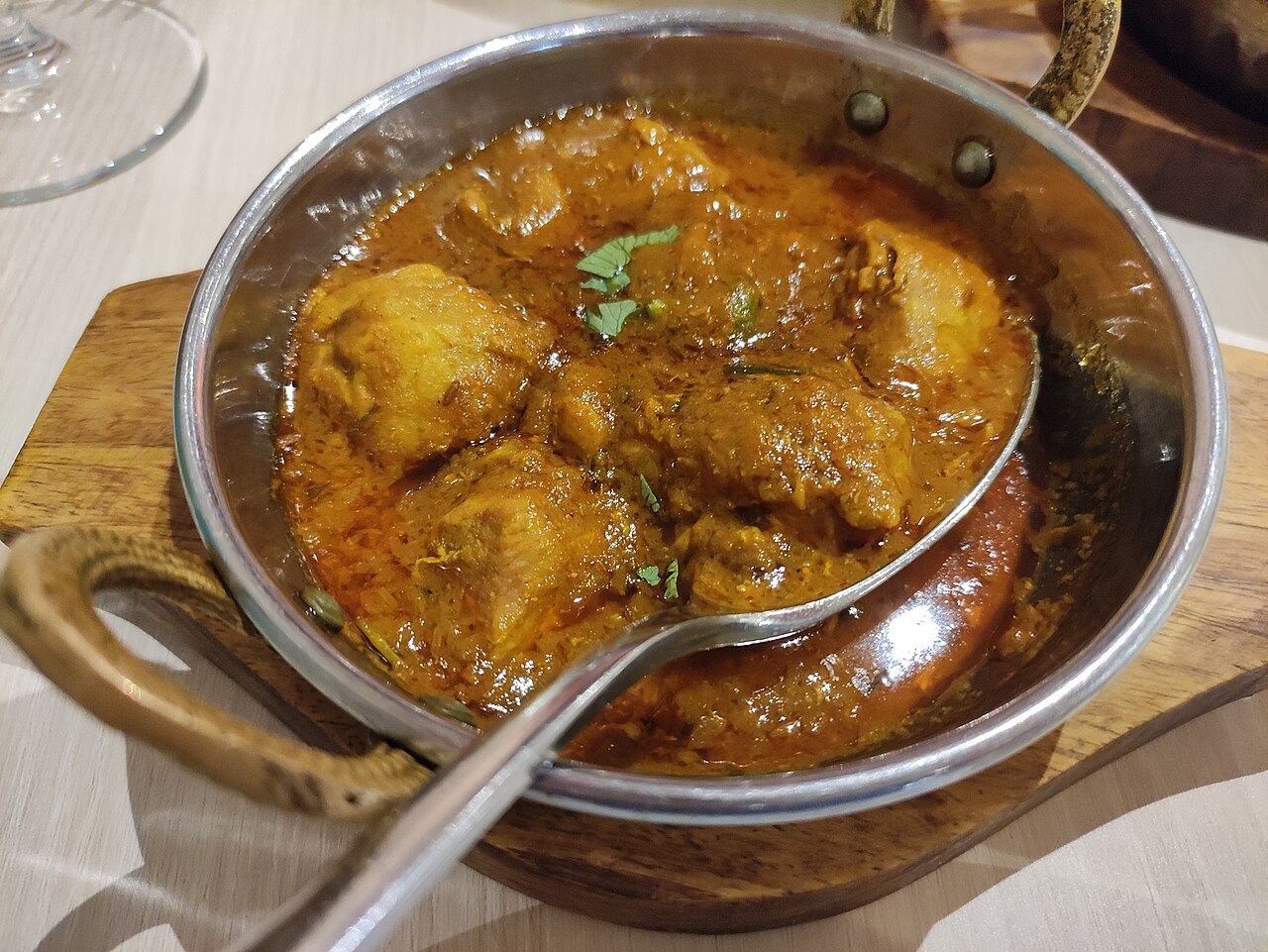
Curry isn't a single dish, but a vast culinary category defined by its aromatic, spiced sauce. While commonly associated with India, its roots are far more complex, involving centuries of trade, colonization, and adaptation. At its heart, a curry is a symphony of spices, often featuring a base of onions, garlic, and ginger, simmered with a liquid (like coconut milk, yogurt, or tomatoes) and a blend of ground and whole spices. The resulting dish can range from a fiery inferno to a subtly fragrant delight, making it one of the most versatile and beloved food categories globally. Understanding this breadth is key to appreciating its true scope beyond the takeaway menu.
🌍 A World of Spice: Origins and Evolution
The story of curry begins in the Indian subcontinent, where a rich tradition of spiced dishes has existed for millennia. The Portuguese, arriving in the 16th century, encountered these complex preparations and, lacking a single word for them, adopted the Tamil term 'kari' (meaning 'sauce' or 'relish'). This term was further popularized and modified by the British during their colonial rule, becoming the ubiquitous 'curry' we know today. This historical interchange didn't stop there; as British influence spread, so did curry, leading to distinct regional variations in places like Malaysian and Thai cuisine, each adding their unique local ingredients and flavor profiles.
⚖️ The Great Curry Debate: Authenticity vs. Adaptation
The very definition of 'curry' is a battleground. Purists argue for adherence to traditional regional recipes, often citing specific spice blends and cooking techniques as sacrosanct. Others champion the spirit of innovation, embracing fusion and adaptation as natural evolutions of a dish that has always been about exchange. This tension is most palpable when discussing dishes like Chicken Tikka Masala, a British invention widely adopted in India, or the proliferation of 'curry powder' – a British construct that bears little resemblance to any single Indian spice mix. The debate isn't just academic; it shapes how restaurants are perceived and what diners expect.
📈 Curry's Global Vibe Score: 88/100
Curry's global reach and enduring popularity earn it a Vibe Score of 88/100. This high rating reflects its deep cultural penetration across continents, its adaptability to diverse palates, and its consistent presence in both everyday meals and celebratory feasts. From the bustling street food stalls of Mumbai to the sophisticated dining rooms of London, curry commands attention. Its influence extends beyond food, impacting language, trade routes, and even colonial history. The sheer diversity within the curry family – from a simple Dal Tadka to an elaborate Rogan Josh – ensures its continued relevance and appeal.
📍 Where to Find Authentic Curry Experiences
Finding authentic curry experiences requires a discerning eye. Seek out restaurants specializing in a particular regional cuisine, whether it's a Goan seafood curry, a Bengali fish curry, or a Sri Lankan vegetarian curry. Look for establishments that emphasize fresh ingredients and traditional cooking methods. Don't shy away from smaller, family-run eateries, which often offer the most genuine flavors. For those outside major culinary hubs, exploring ethnic grocery stores can provide access to authentic ingredients and regional spice blends, allowing for home-cooked authenticity.
💰 Budgeting for Your Curry Adventure
The cost of curry can vary dramatically, from a few dollars for a street-side snack to upwards of $50 for a multi-course tasting menu at a high-end restaurant. On average, a satisfying main course curry dish in a mid-range restaurant might cost between $15-$25. Factors influencing price include the quality and type of protein (seafood and lamb are typically more expensive than chicken or vegetables), the complexity of the preparation, and the restaurant's location and ambiance. Many Indian restaurants offer lunch specials or Thali platters that provide excellent value, allowing you to sample multiple dishes at a lower price point.
⭐ User Ratings & Community Buzz
User ratings for curry dishes and restaurants are overwhelmingly positive, with an average of 4.5 out of 5 stars across major review platforms. Diners frequently praise the depth of flavor, the comforting nature of spiced sauces, and the sheer variety available. Common points of praise include the freshness of ingredients, the skillful balance of spices, and the warmth of hospitality. Criticisms, when they arise, often center on issues of authenticity, spice levels not meeting expectations, or inconsistent quality. Online forums and food blogs are excellent resources for discovering highly-rated curry spots and sharing your own experiences.
💡 Pro Tips for the Aspiring Curry Connoisseur
To truly appreciate curry, engage your senses. Don't be afraid to ask questions about ingredients and spice levels – most establishments are happy to guide you. If you're new to curry, start with milder dishes like Korma or Dahl Makhani before venturing into spicier territory like Phall. Experiment with different accompaniments; Basmati rice, naan, and roti all offer distinct textures and flavors that complement curries. Consider ordering a Thali or tasting menu to sample a range of curries and side dishes, broadening your palate.
🚀 The Future of Curry: Innovation and Fusion
The future of curry is a dynamic fusion of tradition and innovation. We're seeing a rise in 'global curries' that blend influences from disparate culinary traditions, such as Korean gochujang meeting Indian spices, or Mexican chilies finding their way into Thai-inspired coconut curries. Chefs are also exploring sustainable sourcing and plant-based ingredients, leading to exciting new vegetarian and vegan curry creations. The digital age, with its instant access to recipes and global food trends via platforms like Instagram and TikTok, will undoubtedly continue to fuel this evolution, ensuring curry remains a vibrant and ever-changing culinary force.
Key Facts
- Year
- -2500
- Origin
- Indus Valley Civilization
- Category
- Food & Drink
- Type
- Topic
Frequently Asked Questions
Is curry always spicy?
No, curry is not always spicy. While many curries are known for their heat, the spice level can vary dramatically. Many traditional Indian curries, like Korma or some Dals, are very mild and creamy. Similarly, Japanese curry is notoriously mild and slightly sweet. The perception of spiciness often depends on the specific ingredients and regional preparation, as well as individual tolerance.
What's the difference between Indian curry and Thai curry?
The primary differences lie in their core ingredients and flavor profiles. Indian curries often rely on a wider array of ground spices, yogurt, or tomatoes as a base, and can be thicker. Thai curries typically use fresh ingredients like lemongrass, galangal, and kaffir lime leaves, with coconut milk as a dominant base, resulting in a more fragrant and often brighter flavor. Thai curries also tend to be more soup-like in consistency compared to many Indian curries.
What is 'curry powder'?
Curry powder is a British invention, a pre-mixed blend of ground spices designed to mimic the complex flavors of Indian dishes for a Western audience. It typically includes turmeric, coriander, cumin, fenugreek, and chili, but the exact composition varies widely by brand and region. It is not a traditional Indian spice blend and is generally considered a shortcut rather than an authentic representation of Indian cooking.
Can I make curry at home?
Absolutely! Making curry at home is highly rewarding and allows for complete control over ingredients and spice levels. You can start with simple recipes using readily available ingredients or explore more complex regional dishes. Access to fresh spices and aromatics like ginger and garlic is key. Many online resources and cookbooks offer excellent guidance for home cooks of all skill levels.
What are the healthiest types of curry?
Healthier curries often feature lean proteins (like chicken breast or fish), plenty of vegetables, and are based on lighter liquids like tomato or vegetable broth rather than heavy cream or excessive coconut milk. Lentil-based curries (Dals) and vegetable-heavy curries are excellent choices. Be mindful of portion sizes for rice and bread accompaniments, and opt for whole grains when possible.
What does 'Vibepedia's Curry Vibe Score' mean?
The Curry Vibe Score (88/100) is Vibepedia's proprietary measurement of a topic's cultural energy, influence, and resonance. A high score like this indicates that curry is a globally significant, widely discussed, and deeply embedded culinary phenomenon with a rich history and ongoing evolution. It signifies broad appeal across diverse cultures and a strong presence in global discourse.