
Contents
- 🕺 What Are Dancers, Really?
- 📍 Where to Find Dancers Today
- 💰 The Cost of Culture: From Street to Stage
- ⭐ Vibe Scores & Critical Reception
- ⚖️ Dancers vs. Other Performers: A Comparison
- 💡 Insider Tips for Engaging with Dance
- 🚀 The Future of Embodied Expression
- 📞 How to Connect with the Dance Scene
- Frequently Asked Questions
- Related Topics
Overview
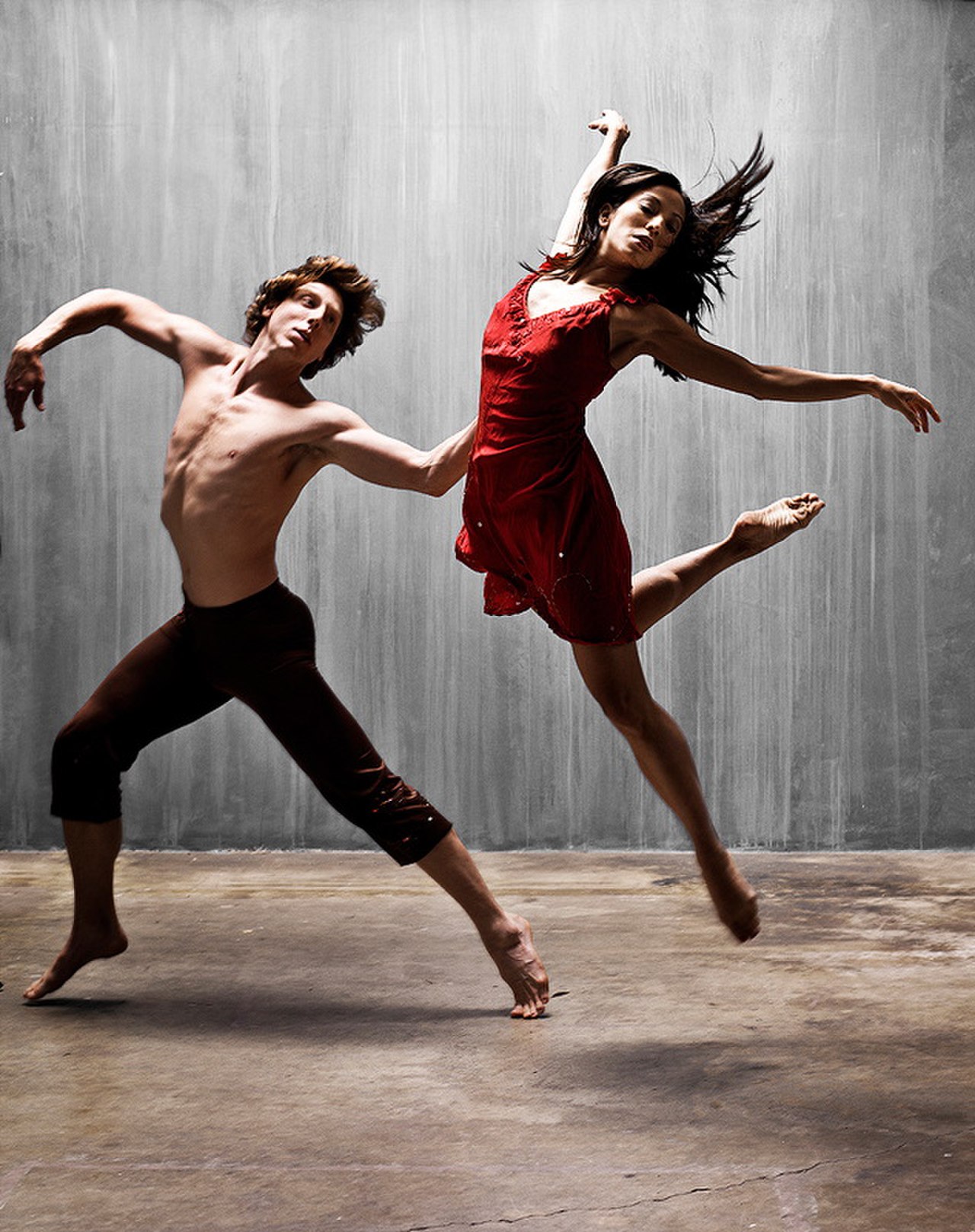
Dancers are the living conduits of human expression, translating emotion, narrative, and social commentary into kinetic form. Their practice spans millennia, from sacred ceremonial movements in ancient Egypt and India to the explosive energy of street dance battles in 21st-century urban centers. Across genres like ballet, hip-hop, contemporary, and traditional folk dances, practitioners hone their bodies into instruments of art, discipline, and sometimes, protest. The digital age has amplified their reach, with platforms like YouTube and TikTok democratizing access and creating new avenues for fame and cultural dissemination, while also raising questions about authenticity and commodification. Understanding dancers means recognizing their role as cultural archivists, innovators, and potent symbols of both individual freedom and collective identity.
🕺 What Are Dancers, Really?
Dancers are the living conduits of culture, translating rhythm, emotion, and narrative into kinetic form. They're not just performers; they are historians, athletes, and storytellers whose bodies become the medium. From the intricate footwork of Irish Step Dancers to the fluid grace of contemporary ballet dancers, each style represents a unique lineage of human expression. Understanding dancers means appreciating the discipline, creativity, and sheer physical commitment required to master their craft, whether for a Broadway stage or a local street cypher.
📍 Where to Find Dancers Today
You'll find dancers everywhere, from the grand halls of the Bolshoi Theatre to the vibrant street corners of Havana. Major hubs for professional dance include cities like New York, London, and Paris, boasting numerous professional dance companies and studios. However, don't overlook the grassroots energy found in community centers, underground clubs hosting breakdancing battles, and cultural festivals worldwide. The accessibility of dance means its pulse can be felt in almost any urban or even rural setting, often requiring just an open space and a beat.
💰 The Cost of Culture: From Street to Stage
The 'cost' of experiencing dance varies wildly. Attending a performance by a world-renowned renowned ballet company can range from $30 to over $200 for premium seats. Conversely, witnessing a hip-hop dance battle in a public square is often free, a testament to its accessible, community-driven roots. Dance classes themselves can cost anywhere from $15-$30 per drop-in session to hundreds for intensive workshops. For aspiring dancers, the investment is often in time, training, and physical conditioning, a significant personal expenditure beyond monetary costs.
⭐ Vibe Scores & Critical Reception
Vibe Scores for dancers are complex, reflecting a blend of technical mastery, cultural significance, and audience engagement. A technically flawless performance by the New York City Ballet might score high on precision (90/100) but potentially lower on raw, unadulterated street vibe (65/100). Conversely, a raw, energetic salsa performance at a local club might boast a Vibe Score of 85/100 for its infectious energy and community feel, even if technical perfection isn't the primary focus. Critical reception often hinges on whether the performance meets the established aesthetic standards of its genre or pushes boundaries in compelling ways.
⚖️ Dancers vs. Other Performers: A Comparison
Compared to actors, dancers communicate primarily through non-verbal means, relying on physical expression to convey emotion and story. While actors use dialogue and subtle facial cues, dancers employ the entire body, often with greater emphasis on rhythm and spatial dynamics. Musicians, while often collaborating with dancers, focus on auditory expression. The key differentiator for dancers is the direct, embodied translation of abstract concepts—be it joy, sorrow, or political commentary—into visible, physical action, making their art form uniquely immediate and visceral.
💡 Insider Tips for Engaging with Dance
To truly appreciate dancers, engage with them actively. Attend live performances across different genres to grasp the breadth of the art form. If you're interested in learning, seek out reputable studios offering beginner dance classes in styles that intrigue you. Understand that dancers often train for years, dedicating their lives to honing their bodies as instruments. Respect the physical demands and the emotional vulnerability inherent in performance; a standing ovation for a flamenco dancer is more than applause—it's recognition of profound dedication.
🚀 The Future of Embodied Expression
The future of dance is a dynamic fusion of tradition and innovation. We're seeing increased integration of technology, with motion capture technology influencing choreography and virtual reality offering new performance spaces. Cross-pollination between genres, like Afrobeat dance influencing mainstream pop choreography, will continue to enrich the global dance vocabulary. Expect more emphasis on inclusive practices, with dancers of all abilities and backgrounds finding platforms. The challenge will be maintaining the authenticity and cultural integrity of diverse dance forms amidst increasing commercialization and globalization.
📞 How to Connect with the Dance Scene
To immerse yourself in the world of dance, start by exploring local venues that host performances or classes. Check out websites of major dance organizations and theaters in your city. Follow influential dancers and choreographers on social media platforms like Instagram and TikTok, where much of the contemporary dance conversation happens. Many studios offer introductory workshops or open house events. For those looking to support dancers professionally, consider attending performances, purchasing merchandise, or donating to dance foundations that provide scholarships and resources.
Key Facts
- Year
- Ancient Origins - Present
- Origin
- Global
- Category
- Performing Arts & Subcultures
- Type
- Broad Category
Frequently Asked Questions
What's the difference between a dancer and a choreographer?
A choreographer is the creator of the dance, designing the sequences of movements and overall artistic vision. A dancer is the performer who executes the choreography, bringing the choreographer's vision to life through their physical execution. While many dancers also choreograph, and choreographers may demonstrate movements, their primary roles are distinct in the creation and performance process.
How do I know if a dance style is authentic to its origins?
Authenticity is a complex and often debated topic. Generally, look for practitioners who have deep roots in the culture of origin, often trained by elders or within established community traditions. Research the history and cultural context of the dance form, and be wary of styles that claim authenticity while heavily commercializing or appropriating elements without understanding their significance. Engaging with community elders or respected figures within the dance form is key.
Are dancers considered athletes?
Absolutely. Many dance forms, particularly those requiring high levels of stamina, strength, flexibility, and precision like ballet, acrobatics, and parkour, demand athletic capabilities comparable to elite athletes. Dancers undergo rigorous physical training, face similar risks of injury, and require exceptional physical conditioning to perform demanding routines consistently.
What are the most common injuries dancers face?
Dancers commonly experience injuries related to overuse and high impact. These include stress fractures (especially in the feet and lower legs), ankle sprains, knee injuries (like ACL tears), hip impingement, and lower back pain. Tendinitis in various joints is also prevalent. Proper conditioning, technique, and adequate rest are crucial for injury prevention.
How can I support dancers financially?
You can support dancers by attending their performances and purchasing tickets, which directly funds their work. Buying merchandise, such as DVDs, books, or apparel, also helps. For professional dancers or companies, consider making direct donations to their organizations or contributing to crowdfunding campaigns for specific projects. Hiring dancers for events or projects is another direct form of support.
Is it too late to start dancing if I'm an adult?
It is never too late to start dancing! While starting young offers advantages in terms of physical development and ingrained technique, adult beginners can absolutely learn and enjoy various dance forms. Many studios offer adult-specific classes designed for different skill levels, focusing on enjoyment, fitness, and learning at a comfortable pace. The key is finding a style and environment that suits your goals and preferences.