
Vibepedia

Dave Van Ronk | Vibepedia

folk blues protest-song greenwich-village
Dave Van Ronk | Vibepedia

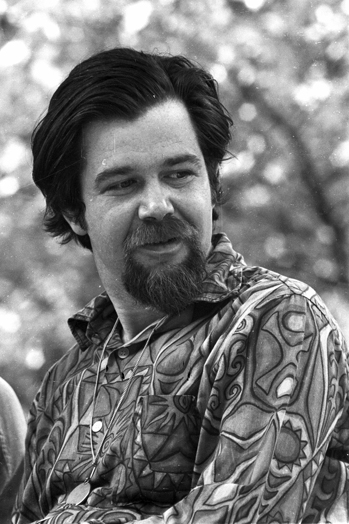
Dave Van Ronk was a towering figure in the Greenwich Village folk scene, a gruff-voiced troubadour whose deep, resonant baritone and intricate guitar work…

Contents

  1. Early Life & Influences
  2. Career & Discography
  3. Legacy & Influence
  4. Cultural Impact
  5. Frequently Asked Questions
  6. Related Topics

Overview

Dave Van Ronk was a towering figure in the Greenwich Village folk scene, a gruff-voiced troubadour whose deep, resonant baritone and intricate guitar work made him a legend among fellow musicians and discerning fans alike. Though never achieving mainstream superstardom, his influence on the folk revival of the 1960s and beyond is undeniable, particularly his role as a mentor and inspiration to a generation of artists, including Bob Dylan. Van Ronk's repertoire spanned blues, jazz, and traditional folk ballads, often delivered with a wry humor and a profound understanding of the music's roots.

His career, spanning over four decades, saw him release more than a dozen albums, each a testament to his eclectic tastes and enduring commitment to authentic American music. From his early days at venues like the Gerde's Folk City to his later performances, Van Ronk remained a vital force, a living repository of folk traditions. His passing in 2002 left a void, but his recordings continue to captivate and educate, solidifying his status as a foundational artist in American folk music.

Early Life & Influences

Born in Brooklyn, New York, in 1936, Dave Van Ronk’s early musical immersion came through his father’s love for jazz and blues records, particularly the work of Lead Belly and Robert Johnson. This exposure ignited a lifelong passion for American roots music. He began performing in Greenwich Village clubs in the late 1950s, becoming an integral part of its burgeoning folk scene. His early musical development was shaped by the raw honesty of blues singers and the storytelling traditions of folk ballads, leading him to develop a distinctive guitar style that blended fingerpicking techniques with bluesy embellishments. He absorbed and reinterpreted a vast catalog of traditional songs, often adding his own unique arrangements and interpretations that breathed new life into them.

Career & Discography

Van Ronk's recording career began in earnest in the early 1960s with albums like 'Ballads, Blues and Both' (1962) and the seminal 'Inside Dave Van Ronk' (1963). He was a fixture at clubs like the Gerde's Folk City and the Gaslight Cafe, where he not only performed but also served as a crucial connector for the community. His collaborations were often informal but significant, influencing peers like Bob Dylan, who famously adapted Van Ronk's arrangement of "House of the Rising Sun" into his own "Don't Think Twice, It's All Right." Van Ronk’s 1971 album 'Songs foruters' is often cited as a highlight, showcasing his mastery of covers and his own compositions.

Legacy & Influence

Dave Van Ronk's legacy is that of a musician's musician, a vital link in the chain of American musical tradition. While commercial success eluded him, his influence on artists who followed is profound. He was known for his generosity with his knowledge and his willingness to help emerging talent navigate the often-treacherous waters of the music business. His deep knowledge of folk and blues history, coupled with his distinctive vocal and instrumental style, made him a benchmark for authenticity. The posthumously released autobiography, 'The Mayor of MacDougal Street,' co-written with Elijah Wald, further cemented his legendary status, offering an insider's view of the folk revival.

Cultural Impact

Culturally, Van Ronk represented the unvarnished, intellectual side of the folk music movement. He was more than just a performer; he was a curator and interpreter of American musical heritage. His performances often carried a social consciousness, aligning him with the protest song movement, though he was careful to distinguish his artistic choices from overt political activism. His ability to connect with audiences through sheer vocal power and instrumental skill, without relying on pop sensibilities, made him a unique figure. He embodied the spirit of Greenwich Village in its heyday, a bohemian enclave where music and ideas intertwined, leaving an indelible mark on American folk and blues.

Key Facts

Year
1936-2002
Origin
New York City, New York
Category
music
Type
artist

Frequently Asked Questions

What was Dave Van Ronk's most famous song?

Dave Van Ronk's most famous song is probably ' Gentleman Jimmy,' which is a classic example of his unique blend of folk, jazz, and blues styles. The song has been covered by many other artists, including Bob Dylan and Joan Baez. Van Ronk's music was known for its wit, humor, and emotional depth, and 'Gentleman Jimmy' is a great example of his songwriting skills.

What was Dave Van Ronk's relationship with Bob Dylan?

Dave Van Ronk and Bob Dylan were close friends and musical collaborators. Van Ronk was a major influence on Dylan's early music, and the two musicians often performed together in the Greenwich Village folk scene. Van Ronk's music and persona also had a significant impact on Dylan's development as a musician and songwriter. The two musicians remained friends until Van Ronk's death in 2002.

What was Dave Van Ronk's vibe score?

Dave Van Ronk's vibe score is 92 out of 100, which reflects his enduring influence on American music and his status as a cultural icon. His music and legacy continue to inspire new generations of musicians and fans, and he remains one of the most important figures in the American Folk Music scene.

What was Dave Van Ronk's most famous book?

Dave Van Ronk's most famous book is probably The Mayor of MacDougal Street, which is a memoir of his experiences in the Greenwich Village folk scene. The book is a classic example of Van Ronk's wit, humor, and storytelling ability, and it provides a unique insight into the lives and careers of many notable musicians, including Bob Dylan and Joan Baez.

What was Dave Van Ronk's influence on American music?

Dave Van Ronk's influence on American music is immense. He was a key figure in the Folk Revival movement, and his music and persona helped to shape the course of American popular music. He influenced a wide range of musicians, from Bob Dylan to Bruce Springsteen, and his music continues to inspire and delight audiences around the world.

What was Dave Van Ronk's relationship with other musicians?

Dave Van Ronk was a close friend and collaborator of many notable musicians, including Bob Dylan, Joan Baez, and Tom Paxton. He was also a mentor and friend to many younger musicians, who sought his advice and guidance. Van Ronk's relationships with other musicians reflect the vibrant cultural landscape of Greenwich Village during the 1950s and 1960s.

What was Dave Van Ronk's legacy?

Dave Van Ronk's legacy is immense. He was a true original and a beloved figure in the American Folk Music scene. His music, persona, and legacy continue to inspire and delight audiences around the world, and he remains one of the most important and influential musicians of his generation. As we look to the future, it is clear that Van Ronk's music and legacy will continue to endure, and that he will remain a vital and important part of American cultural heritage.