
Contents
- 🌊 Origins & History
- ⚙️ How It Works
- 📊 Key Facts & Numbers
- 👥 Key People & Organizations
- 🌍 Cultural Impact & Influence
- ⚡ Current State & Latest Developments
- 🤔 Controversies & Debates
- 🔮 Future Outlook & Predictions
- 💡 Practical Applications
- 📚 Related Topics & Deeper Reading
- Frequently Asked Questions
- References
- Related Topics
Overview
Desalination technologies are revolutionizing the way we access fresh water, providing a crucial solution to the global water crisis. With over 95 million cubic meters of desalinated water produced daily, desalination has become a vital component of global water security strategies. From traditional methods like reverse osmosis to innovative approaches like graphene-based filtration, desalination technologies are evolving to meet the growing demand for fresh water. As the world's population continues to grow, desalination is poised to play an increasingly important role in ensuring access to clean drinking water, with major players like General Electric and Siemens investing heavily in research and development. With the global water supply gap expected to reach 40% by 2030, desalination technologies are more crucial than ever, offering a beacon of hope for water-scarce communities around the world, including those in Australia and South Africa.
🌊 Origins & History
Desalination technologies have a rich history, dating back to the 1950s when the first desalination plant was built in Aruba. Since then, the industry has evolved significantly, with major advancements in technologies like reverse osmosis and multi-stage flash distillation. Today, desalination is used in over 120 countries, with Saudi Arabia and United Arab Emirates being among the largest users of desalination technologies. The history of desalination is closely tied to the development of membrane technology, which has enabled the efficient removal of salt and other minerals from seawater.
⚙️ How It Works
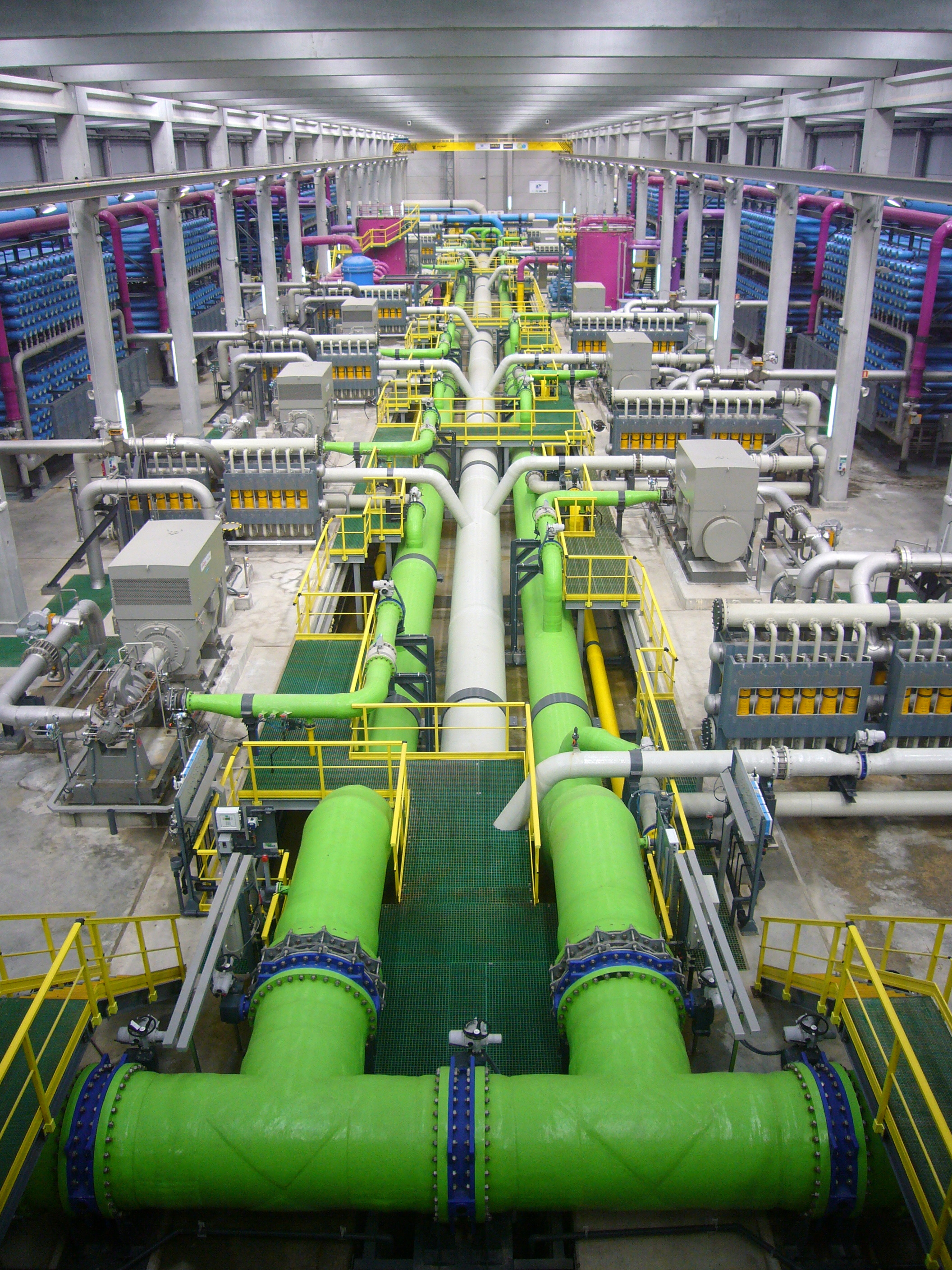
Desalination technologies work by removing salt and other minerals from seawater, producing fresh water and a concentrated brine solution. The most common method used is reverse osmosis, which involves forcing seawater through a semi-permeable membrane to remove impurities. Other methods include multi-stage flash distillation, multi-effect distillation, and electrodialysis reversal. Companies like Dow Chemical and DuPont are leading the development of new membrane technologies, which are expected to improve the efficiency and cost-effectiveness of desalination.
📊 Key Facts & Numbers
The numbers behind desalination are staggering, with over 18,000 desalination plants operating worldwide, producing over 95 million cubic meters of fresh water daily. The global desalination market is expected to grow to $26.1 billion by 2025, with the Middle East and North Africa being the largest markets. Desalination is not just limited to seawater, with brackish water and wastewater also being used as feedstocks. The use of desalination technologies is also being driven by the need to address water scarcity in regions like California and China.
👥 Key People & Organizations
Key people and organizations in the desalination industry include World Health Organization, which sets standards for drinking water quality, and International Desalination Association, which promotes the use of desalination technologies. Companies like Veolia and SUEZ are also major players in the industry, providing desalination services to governments and industries around the world. Researchers like Dr. Marc Verbawhede are working on developing new desalination technologies, including graphene-based filtration systems.
🌍 Cultural Impact & Influence
Desalination technologies have had a significant cultural impact, providing fresh water to communities in water-scarce regions. However, the industry has also faced criticism for its high energy consumption and environmental impact. The use of desalination technologies has also raised concerns about the displacement of local communities and the impact on marine ecosystems. Despite these challenges, desalination has become an essential part of the global water supply, with many countries relying on it to meet their drinking water needs. The cultural significance of desalination is also reflected in its inclusion in international agreements like the UN Sustainable Development Goals.
⚡ Current State & Latest Developments
The current state of desalination technologies is one of rapid innovation, with new technologies and methods being developed to improve efficiency and reduce costs. The use of renewable energy sources, like solar and wind power, is becoming increasingly common, reducing the carbon footprint of desalination. Companies like Tesla and Google are investing in desalination technologies, with a focus on sustainability and environmental impact. The latest developments in desalination technologies include the use of artificial intelligence and Internet of Things to optimize desalination plant operations.
🤔 Controversies & Debates
Despite its many benefits, desalination has faced controversy and debate, particularly around its environmental impact. The intake of seawater can harm marine life, and the discharge of brine can affect local ecosystems. The high energy consumption of desalination has also raised concerns about its contribution to climate change. However, many experts argue that the benefits of desalination outweigh the costs, particularly in regions where access to fresh water is limited. The controversy surrounding desalination is also reflected in the ongoing debate about the use of nuclear power to generate electricity for desalination plants.
🔮 Future Outlook & Predictions
The future of desalination technologies looks bright, with many experts predicting significant growth in the industry. The development of new technologies, like graphene-based filtration, is expected to improve efficiency and reduce costs. The use of renewable energy sources and sustainable practices is also expected to become more widespread, reducing the environmental impact of desalination. As the global water crisis deepens, desalination is likely to play an increasingly important role in providing fresh water to communities around the world, including those in Africa and Latin America.
💡 Practical Applications
Desalination technologies have many practical applications, from providing drinking water to industries and communities, to supporting agriculture and urban development. The use of desalination technologies is also being explored for use in emergency response situations, like natural disasters and refugee crises. Companies like Coca-Cola and Pepsi are using desalination technologies to reduce their water footprint and support sustainable development. The use of desalination technologies is also being driven by the need to address water scarcity in regions like Middle East and North Africa.
Key Facts
- Year
- 2020
- Origin
- Global
- Category
- technology
- Type
- technology
Frequently Asked Questions
What is desalination?
Desalination is the process of removing salt and other minerals from seawater or brackish water to produce fresh water. It is used to provide drinking water to communities in water-scarce regions, and is an essential part of the global water supply. According to the World Health Organization, desalination is a crucial component of global water security strategies.
How does desalination work?
Desalination works by removing salt and other minerals from seawater or brackish water through various methods, including reverse osmosis, multi-stage flash distillation, and electrodialysis reversal. The most common method used is reverse osmosis, which involves forcing seawater through a semi-permeable membrane to remove impurities. Companies like Dow Chemical and DuPont are leading the development of new membrane technologies.
What are the benefits of desalination?
The benefits of desalination include providing fresh water to communities in water-scarce regions, supporting agriculture and urban development, and reducing the environmental impact of traditional water supply methods. Desalination is also a reliable source of water, as it is not dependent on rainfall or other weather conditions. According to the International Desalination Association, desalination is a vital component of global water security strategies.
What are the challenges facing the desalination industry?
The desalination industry faces several challenges, including high energy consumption, environmental impact, and high costs. The industry is working to address these challenges through the development of new technologies and methods, such as renewable energy sources and sustainable practices. Companies like Tesla and Google are investing in desalination technologies, with a focus on sustainability and environmental impact.
What is the future of desalination?
The future of desalination looks bright, with many experts predicting significant growth in the industry. The development of new technologies, like graphene-based filtration, is expected to improve efficiency and reduce costs. The use of renewable energy sources and sustainable practices is also expected to become more widespread, reducing the environmental impact of desalination. According to the United Nations, desalination is a crucial component of global water security strategies.
How is desalination used in emergency response situations?
Desalination is used in emergency response situations, like natural disasters and refugee crises, to provide fresh water to affected communities. The use of desalination technologies in these situations is critical, as it can help to prevent the spread of waterborne diseases and support the recovery of affected communities. Companies like Coca-Cola and Pepsi are using desalination technologies to support sustainable development and reduce their water footprint.
What are the environmental impacts of desalination?
The environmental impacts of desalination include the intake of seawater, which can harm marine life, and the discharge of brine, which can affect local ecosystems. The high energy consumption of desalination also contributes to climate change. However, many experts argue that the benefits of desalination outweigh the costs, particularly in regions where access to fresh water is limited. According to the National Oceanic and Atmospheric Administration, desalination is a vital component of global water security strategies.
How is desalination related to sustainable development?
Desalination is closely related to sustainable development, as it provides fresh water to communities in water-scarce regions, supporting agriculture and urban development. The use of desalination technologies is also being driven by the need to address water scarcity and support sustainable development. According to the UN Sustainable Development Goals, desalination is a crucial component of global water security strategies.