
Contents
Overview
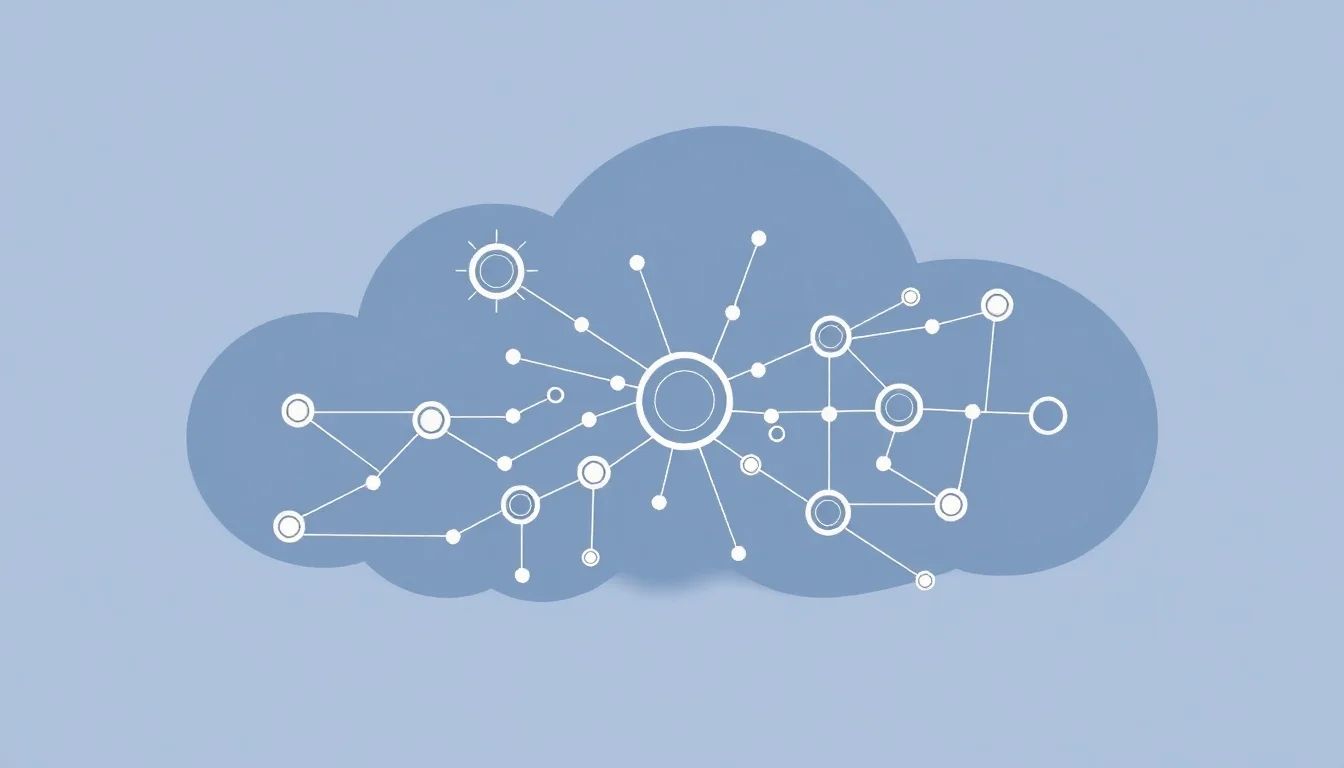
Distributed systems are computer systems whose inter-communicating components are located on different networked computers, working together to achieve a common goal. They are designed to overcome the limitations of traditional monolithic systems, but come with their own set of challenges, such as maintaining concurrency and managing independent failure of components. Examples of distributed systems include microservices, massively multiplayer online games, and peer-to-peer applications.
🌐 Origins & History
The concept of distributed systems dates back to the 1960s, when computer scientists like Edsger Dijkstra and Donald Knuth began exploring ways to connect multiple computers together to achieve a common goal. One of the earliest examples of a distributed system is the ARPANET, developed in the 1960s by the United States Department of Defense. Today, distributed systems are used in a wide range of applications, from Amazon Web Services to Google Cloud Platform.
🔍 How It Works
Distributed systems work by having multiple components communicate and coordinate their actions by passing messages to one another. This allows them to achieve a common goal, such as processing large amounts of data or providing a scalable and fault-tolerant service. However, distributed systems also come with their own set of challenges, such as maintaining concurrency of components, overcoming the lack of a global clock, and managing the independent failure of components. Companies like Netflix and Uber have developed complex distributed systems to support their services, using technologies like Apache Kafka and Docker.
🌈 Cultural Impact
Distributed systems have had a significant impact on the way we live and work. They have enabled the development of large-scale applications and services, such as social media and e-commerce platforms. They have also enabled the creation of new business models, such as cloud computing and software as a service. However, distributed systems also come with their own set of challenges, such as increased complexity and higher costs. Researchers like Tim Berners-Lee and Brendan Eich have explored the potential of distributed systems to support new forms of collaboration and innovation.
🔮 Legacy & Future
The future of distributed systems is likely to be shaped by emerging technologies like blockchain and artificial intelligence. These technologies have the potential to enable the development of more secure, scalable, and autonomous distributed systems. Companies like Facebook and Microsoft are already exploring the use of these technologies to support their distributed systems. However, there are also challenges to be addressed, such as the need for more robust security protocols and the potential for job displacement due to automation. Experts like Andrew Ng and Fei-Fei Li are working to develop new technologies and strategies for building and managing distributed systems.
Key Facts
- Year
- 1960s
- Origin
- United States
- Category
- technology
- Type
- concept
Frequently Asked Questions
What is a distributed system?
A distributed system is a computer system whose inter-communicating components are located on different networked computers, working together to achieve a common goal. Examples include Google Cloud Platform and Amazon Web Services.
What are the benefits of distributed systems?
What are the challenges of distributed systems?
Distributed systems come with their own set of challenges, including maintaining concurrency, overcoming the lack of a global clock, and managing the independent failure of components. They also require more complex security protocols and can be more expensive to implement. Researchers like Andrew Ng and Fei-Fei Li are working to develop new technologies and strategies for building and managing distributed systems.
What is the future of distributed systems?
The future of distributed systems is likely to be shaped by emerging technologies like blockchain and artificial intelligence. These technologies have the potential to enable the development of more secure, scalable, and autonomous distributed systems. Companies like Facebook and Microsoft are already exploring the use of these technologies to support their distributed systems.
How do distributed systems relate to other concepts in computer science?
Distributed systems are related to other concepts in computer science, such as cloud computing, artificial intelligence, and machine learning. They are also related to networking and cybersecurity. Experts like Tim Berners-Lee and Brendan Eich have explored the potential of distributed systems to support new forms of collaboration and innovation.