
Contents
Overview
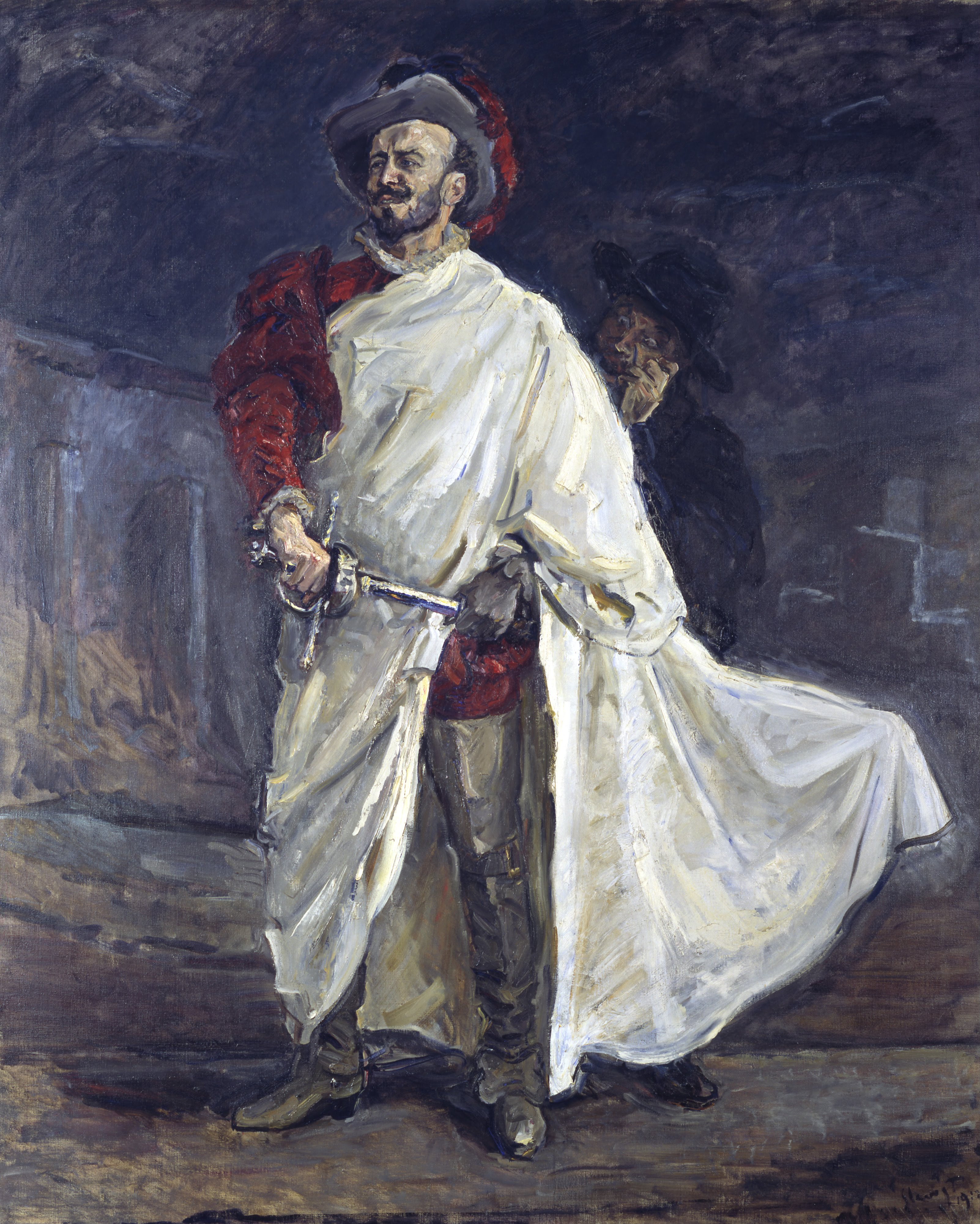
Don Juan, also known as Don Giovanni, is a legendary fictional Spanish libertine whose life is defined by relentless seduction and defiance. Originating in Tirso de Molina's play, El burlador de Sevilla y convidado de piedra (The Trickster of Seville and the Stone Guest), the character's narrative arc typically involves a pattern of deceitful conquests, murder, and ultimate damnation. This archetype has been endlessly reinterpreted, most famously by Molière in his 1665 play, Dom Juan, and Wolfgang Amadeus Mozart's 1787 opera, Don Giovanni, solidifying his status as a foundational figure in Western literature and performance. The enduring appeal of Don Juan lies in his complex portrayal of freedom, rebellion against societal norms, and the eternal struggle between pleasure and consequence, making him a persistent cultural touchstone.
🎵 Origins & History
The genesis of the Don Juan myth can be traced to the Spanish Golden Age. Tirso de Molina's foundational play, El burlador de Sevilla y convidado de piedra, introduced the core elements: a nobleman from Seville, his insatiable appetite for women, his disregard for honor and morality, the murder of a nobleman whose statue later animates to drag him to hell, and a starkly didactic moral lesson. While Molina's play established the archetype, its roots may extend to earlier Spanish folk tales and theatrical traditions, hinting at a pre-existing cultural fascination with the seductive rogue. The play's immediate success led to widespread dissemination and adaptation across Europe, laying the groundwork for centuries of artistic engagement with the character.
⚙️ The Archetype's Mechanics
The Don Juan archetype functions through a consistent pattern of behavior and consequence. At its core, he is a master manipulator, employing charm, wit, and often outright deception to achieve his romantic conquests. His defining characteristic is his refusal to be bound by social contracts, religious doctrines, or the emotional consequences of his actions, embodying a radical, albeit destructive, form of individual freedom. This defiance inevitably leads to his downfall, most famously depicted as a supernatural retribution, where his victims' wronged families or the divine itself exact justice. The narrative engine of Don Juan stories is this perpetual cycle of seduction, transgression, and inevitable, often terrifying, reckoning.
📊 Key Facts & Numbers
The legend of Don Juan has permeated global culture, with countless retellings and adaptations. Over 300 plays, operas, ballets, films, and novels have featured the character or his direct descendants since Tirso de Molina's original work. Mozart's opera Don Giovanni (1787) is estimated to have been performed over 10,000 times worldwide since its premiere. The term 'Don Juan' itself has entered over 20 languages as a common noun, signifying a seductive rake, with an estimated 50 million people globally recognizing the name. The character's enduring presence is evidenced by his appearance in an average of 5 new major artistic works per year across different media.
👥 Key Figures & Adaptations
The Don Juan figure has been brought to life by numerous influential artists and writers. Tirso de Molina penned the original El burlador de Sevilla y convidado de piedra, establishing the archetype. Later, Molière's 1665 French play, Dom Juan ou le Festin de pierre, offered a more philosophical and satirical take, questioning religious hypocrisy. The most celebrated adaptation is Wolfgang Amadeus Mozart's opera Don Giovanni (1787), with a libretto by Lorenzo da Ponte, which cemented the character's operatic immortality. Later interpretations include Lord Byron's epic poem Don Juan (1819–1824), which transformed the character into a more romantic and less overtly villainous figure, and Max Frisch's 1953 play Don Juan oder Die Liebe zur Geometrie, which re-examined the character through a modern lens.
🌍 Cultural Impact & Influence
Don Juan's influence extends far beyond individual artistic works, shaping broader cultural perceptions of masculinity, desire, and morality. He represents a persistent archetype of the charming but dangerous seducer, a figure who challenges societal norms and religious authority, often embodying a dark romanticism. His story has become a cautionary tale about the consequences of unchecked hedonism and the immutable nature of justice, whether divine or secular. The 'Don Juan' persona has been adopted and parodied in countless contexts, from everyday slang to cinematic portrayals, demonstrating his deep integration into the global cultural lexicon.
⚡ Modern Interpretations
Contemporary interpretations of Don Juan continue to explore his complex psychology and societal role. In the 21st century, the character is often deconstructed, with artists examining the power dynamics inherent in his seductions, the psychological motivations behind his behavior, and the impact on his victims. Films like Don Jon (2013) explore modern-day obsessions and the disconnect between fantasy and reality, while stage productions frequently update the setting and themes to resonate with current social issues, such as consent and toxic masculinity. These modern takes often question whether Don Juan is a romantic hero, a tragic figure, or simply a dangerous predator.
🤔 Controversies & Debates
The enduring legend of Don Juan is not without its controversies. Critics have debated whether his character represents a celebration of male freedom and rebellion or a condemnation of predatory behavior and misogyny. The moralistic intent of early adaptations, like Molina's play, is often contrasted with later, more sympathetic portrayals that risk romanticizing his actions. Furthermore, the historical context of honor codes and social structures in 17th-century Spain, where the original play was set, adds layers of complexity to understanding his transgressions. The debate continues regarding whether Don Juan is a timeless symbol of human desire or a problematic relic of patriarchal narratives.
🔮 Future Outlook & Predictions
The future of the Don Juan archetype likely lies in continued deconstruction and recontextualization. As societal understanding of consent, power dynamics, and psychological complexity evolves, new interpretations will undoubtedly emerge. We may see more narratives focusing on the perspectives of those Don Juan targets, or explorations of his internal struggles and potential for redemption or deeper self-awareness. The archetype's inherent tension between freedom and consequence, desire and destruction, ensures its continued relevance, though its portrayal will likely become increasingly nuanced and critical, reflecting contemporary ethical considerations.
💡 Practical Applications
While Don Juan is a fictional character, his archetype has practical applications in understanding human behavior and narrative construction. The 'Don Juan' strategy, characterized by charm, persistence, and a focus on romantic conquest, is studied in sociology and psychology as a behavioral model. In marketing and branding, elements of the 'Don Juan' persona—confidence, allure, and a touch of danger—are sometimes employed to create compelling narratives around products and services. Furthermore, the character serves as a literary case study for exploring themes of temptation, morality, and the consequences of unchecked ambition in storytelling and rhetoric.
Key Facts
- Category
- culture
- Type
- person