
Contents
Overview
Explosive Ordnance Disposal (EOD) is the specialized field dedicated to the identification, rendering safe, and disposal of explosive ordnance. EOD technicians, often referred to as 'bomb squad' personnel, operate in some of the most dangerous environments imaginable, requiring a unique blend of technical expertise, courage, and meticulous procedure. The development of EOD techniques has evolved dramatically since the early 20th century, driven by advancements in explosive technology and the changing nature of warfare and terrorism.
🎵 Origins & History
The British Army established dedicated units to deal with the 'duds' littering the Western Front. Following World War II, with the advent of more sophisticated and powerful explosives, including early nuclear devices, the need for specialized, systematic EOD procedures became paramount. The development of EOD techniques has evolved dramatically since the early 20th century, driven by advancements in explosive technology and the changing nature of warfare and terrorism.
⚙️ How It Works
At its core, EOD is a methodical process rooted in risk assessment and controlled intervention. Technicians begin with identification, using visual cues, X-rays, and other diagnostic tools to determine the type of ordnance, its condition, and potential triggers. Render-safe procedures are then employed, which can range from remotely disarming a device using robotic systems to meticulously cutting wires or removing detonators by hand – a task often performed under extreme duress. Disposal typically involves controlled detonation or burning in a safe location, minimizing collateral damage. The process is heavily reliant on specialized tools, including bomb suits offering ballistic protection, remote manipulators, and advanced diagnostic equipment, all guided by strict protocols and extensive training.
📊 Key Facts & Numbers
Key organizations driving EOD capabilities include national military branches, such as the U.S. Army's EOD School, the U.S. Navy's NAVSCOLS EOD, and the U.S. Air Force's Explosive Ordnance Disposal units. Civilian law enforcement agencies also maintain highly trained bomb squads, often supported by federal agencies like the FBI and ATF. International bodies like the United Nations Mine Action Service (UNMAS) coordinate global efforts to address explosive remnants of war.
👥 Key People & Organizations
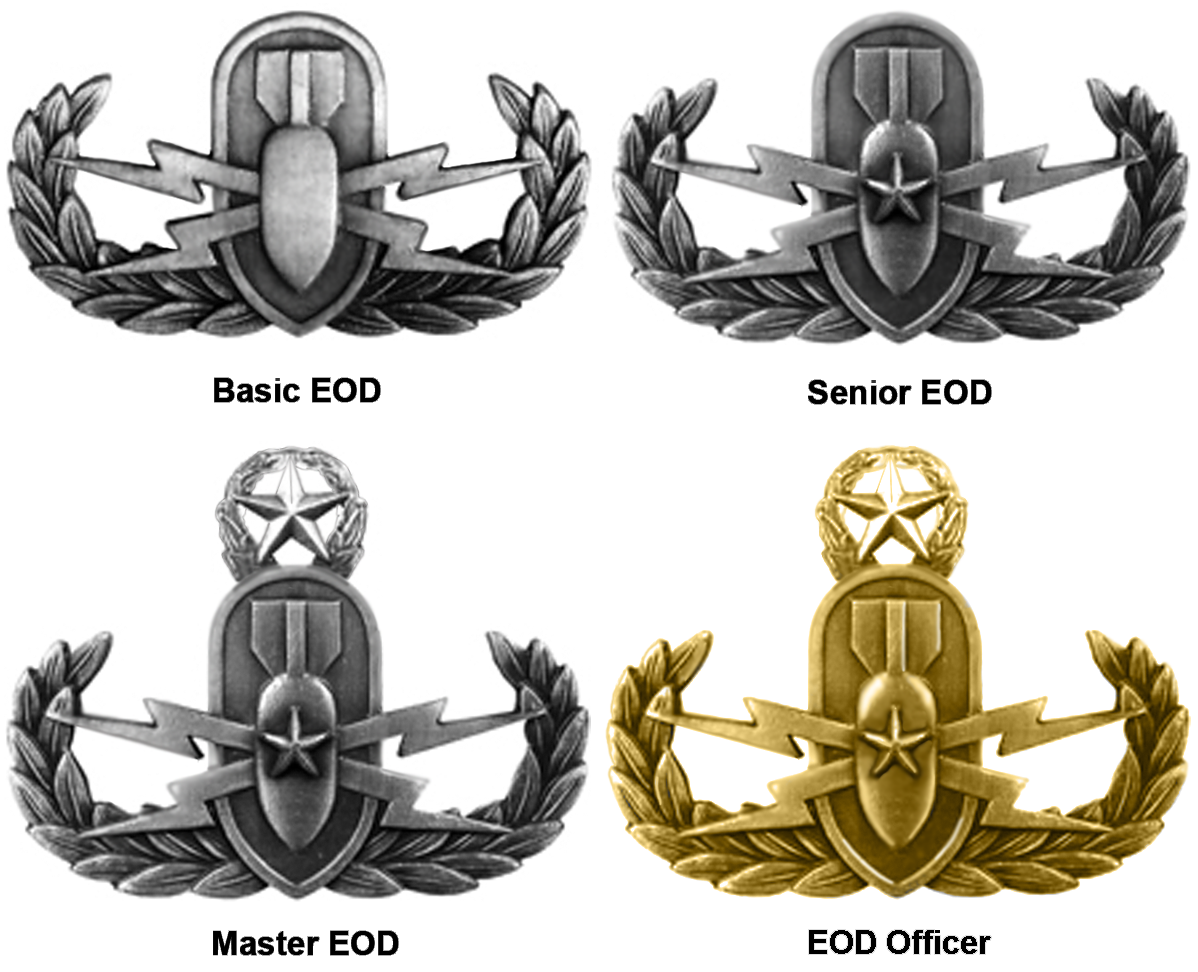
The EOD Badge, particularly the U.S. version, has become an iconic symbol of courage and technical proficiency, awarded to all four branches of the U.S. military. Beyond entertainment, EOD's influence is felt in the ability of communities to reclaim land previously rendered unusable by buried ordnance, enabling reconstruction and economic development in post-conflict zones, a critical aspect of humanitarian aid.
🌍 Cultural Impact & Influence
One of the most persistent controversies in EOD revolves around the acceptable level of risk to technicians. While technology has advanced significantly, the inherent danger of dealing with explosive devices means that human intervention is often unavoidable, leading to ongoing debates about the balance between speed of response and technician safety. The ethical implications of using certain disposal methods, particularly those that might cause environmental damage, are also a point of discussion. Furthermore, the classification of certain EOD techniques and technologies as sensitive information can sometimes hinder international cooperation and knowledge sharing, despite the universal nature of the threat.
⚡ Current State & Latest Developments
The future of EOD is inextricably linked to advancements in artificial intelligence, robotics, and material science. We can expect increasingly autonomous robotic systems capable of performing complex render-safe procedures with minimal human oversight, significantly reducing risk. AI-powered diagnostic tools will likely improve the speed and accuracy of ordnance identification, even for novel or improvised devices. The development of novel materials for bomb suits and protective gear will offer enhanced protection against more powerful explosives. There's also a growing focus on predictive analytics to anticipate IED emplacement patterns and develop proactive counter-measures, moving EOD from a purely reactive discipline to a more strategic one.
🤔 Controversies & Debates
The practical applications of Explosive Ordnance Disposal are vast and critical. In military theaters, EOD teams are essential for maintaining freedom of maneuver, clearing routes, and securing areas for troop advancement and civilian safety. Post-conflict, EOD is fundamental to reconstruction efforts, allowing for the safe return of displaced populations and the resumption of agricultural and industrial activities. Civilian bomb squads are vital for public safety, responding to suspicious packages, disarming improvised devices, and investigating explosive incidents. EOD expertise is also applied in the safe dismantling of aging conventional munitions stockpiles and the management of hazardous materials, ensuring public and environmental safety. The work of organizations like Danish-Demining-Group exemplifies these crucial real-world applications.
🔮 Future Outlook & Predictions
Explosive Ordnance Disposal is deeply intertwined with several other fields. Its historical context is crucial for understanding the evolution of warfare and the impact of military history on civilian populations. The technological advancements in robotics and AI are directly applicable to robotics and artificial intelligence development. The ethical considerations surrounding risk and the use of force touch upon philosophy and ethics. Furthermore, the psychological toll on EOD technicians highlights the importance of mental health support and [[trauma-informed-care|trauma-informed c
Key Facts
- Category
- technology
- Type
- topic