
Contents
Overview
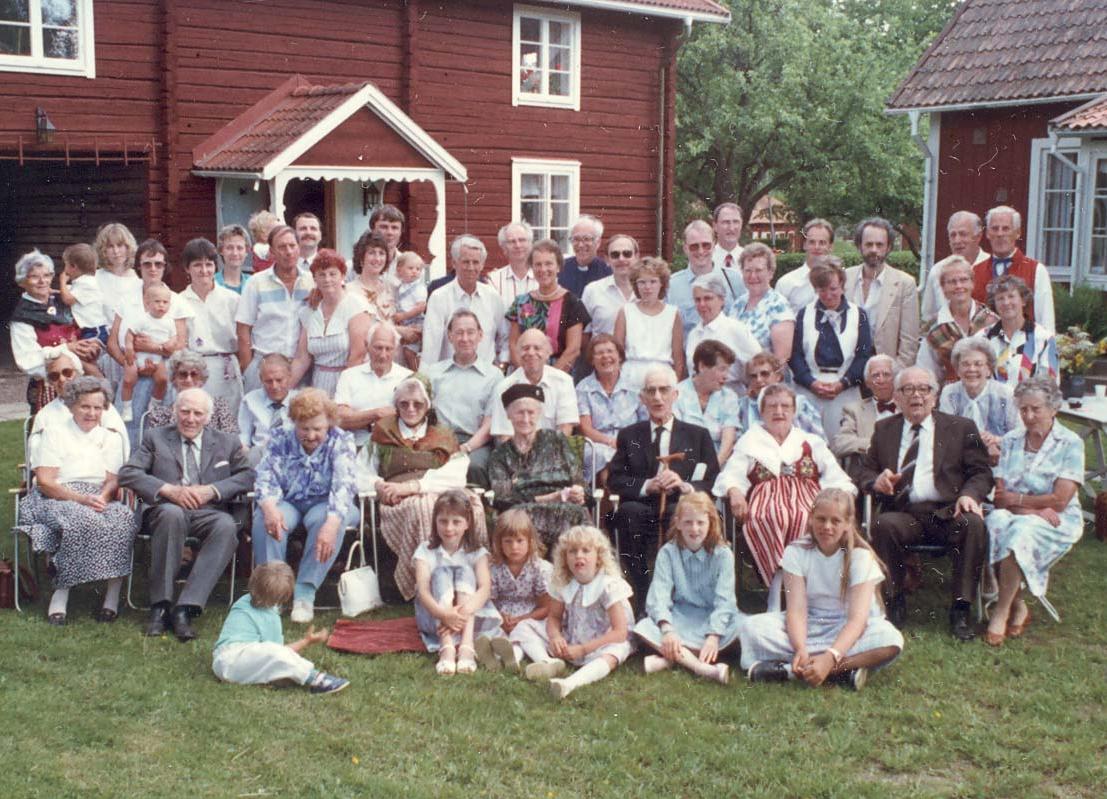
A family reunion is a gathering of extended family members, often spanning multiple generations and branches of a lineage. These events can range from casual annual picnics to elaborate, multi-day celebrations organized by ancestral associations. The core purpose is to reconnect, share stories, and reinforce familial bonds, often involving shared meals, recreational activities, and the exchange of genealogical information. While the concept is universal, modern reunions increasingly leverage technology for planning and participation, and some are even commercialized. The scale can vary dramatically, from a dozen relatives meeting in a local park to hundreds gathering at a historical ancestral home or resort, reflecting the diverse ways families maintain their connections across time and distance.
🎵 Origins & History
The practice of gathering extended family has roots stretching back to ancient times, predating formal "reunions" as we know them. Historically, such congregations were often tied to significant life events like weddings, funerals, or religious festivals, serving as crucial moments for reinforcing social structures and alliances. Early organized reunions, like those for the Fok Man Lui family or the Roosevelt family's annual gatherings, set precedents for structured, recurring events. These often centered around a prominent ancestor or a shared surname, with family associations forming to manage the logistics and preserve the family history, transforming a natural inclination to gather into a formalized tradition.
⚙️ How It Works
At its heart, a family reunion functions as a temporary, self-contained social ecosystem designed for connection. Planning typically involves a core organizing committee, often comprised of enthusiastic relatives, who handle venue selection, invitations, catering or potluck coordination, and activity scheduling. Communication channels, increasingly digital via email and social media platforms like Facebook, are vital for disseminating information and gauging attendance. The event itself usually features a central meal, followed by icebreakers, games for all ages, talent shows, and often a dedicated session for sharing family stories or reviewing genealogical charts. Many reunions also incorporate a charitable component or a focus on preserving family traditions, ensuring the event serves a purpose beyond mere social interaction.
📊 Key Facts & Numbers
The average reunion attendance hovers around 45 people, though events organized by large ancestral associations can draw hundreds, sometimes even thousands, of participants. There is a tension between traditional, low-cost gatherings and the increasing professionalization and commercialization of reunions.
👥 Key People & Organizations
Key figures in the popularization of family reunions include individuals who championed genealogy and historical preservation in the late 19th and early 20th centuries. Organizations such as the National Genealogical Society and various surname associations play a crucial role in facilitating these gatherings. More recently, genealogy websites like Ancestry.com and FamilySearch.org have become indispensable tools for organizers and attendees alike, connecting disparate family branches across the globe.
🌍 Cultural Impact & Influence
Family reunions have a profound cultural impact, serving as powerful engines for cultural transmission and the reinforcement of collective identity. They provide a tangible link to the past, allowing younger generations to connect with their heritage and understand their place within a larger narrative. These events often become subjects of oral history projects, family documentaries, and even fictional works, embedding family stories into broader cultural consciousness. The shared experience can foster a sense of belonging and solidarity that extends beyond the reunion itself, influencing individual self-perception and family loyalty. Furthermore, the planning and execution of reunions often involve significant event planning skills, contributing to the development of community leadership within families.
⚡ Current State & Latest Developments
The landscape of family reunions is rapidly evolving, driven by technological advancements and shifting societal norms. Video conferencing platforms like Zoom and Google Meet now enable "virtual" or hybrid reunions, allowing geographically dispersed members to participate remotely. Genealogy software and DNA testing services from companies like 23andMe are not only facilitating the discovery of new relatives but also sparking interest in organizing reunions with previously unknown branches. The rise of destination reunions and themed events, often planned by professional reunion organizers, indicates a growing trend toward more elaborate and experiential gatherings, moving beyond the traditional picnic model.
🤔 Controversies & Debates
The primary controversy surrounding family reunions often centers on genealogical accuracy and the potential for uncovering uncomfortable truths about family history, such as hidden adoptions, illegitimacy, or controversial ancestors. Debates can arise over the inclusion of certain family members or branches, particularly in cases of estrangement or conflict. There's also a tension between traditional, low-cost gatherings and the increasing professionalization and commercialization of reunions, with some questioning whether the focus shifts too much from genuine connection to elaborate spectacle. Furthermore, the financial burden can be a point of contention, especially for larger, more expensive events, leading to discussions about affordability and accessibility for all family members, regardless of economic status.
🔮 Future Outlook & Predictions
The future of family reunions points towards greater integration of technology and personalization. Expect a continued rise in hybrid events, blending in-person gatherings with robust virtual participation options. AI may play a role in streamlining reunion planning, suggesting venues, and even generating personalized family histories. DNA testing and genetic genealogy will likely uncover more distant relatives, leading to larger and more complex reunions, potentially even intercontinental ones. There's also a growing interest in "heritage tours" or "ancestral tourism," where reunions are combined with trips to ancestral homelands, offering a deeper, immersive experience. The challenge will be maintaining the core emotional connection amidst increasing scale and technological mediation.
💡 Practical Applications
Family reunions serve as practical laboratories for intergenerational communication, conflict resolution, and community building. They offer a low-stakes environment for practicing social skills, from navigating conversations with unfamiliar relatives to organizing group activities. For individuals interested in historical research, reunions are invaluable opportunities to collect oral histories, gather family documents, and verify genealogical data. The organizational aspect also provides practical experience in project management, budgeting, and volunteer coordination. Moreover, they can serve as platforms for family members to share professional expertise, offer mentorship, or even initiate collaborative projects, extending the reunion's impact far beyond the event itself.
Key Facts
- Category
- culture
- Type
- topic