
Contents
Overview
The concept of fatigue, or a profound lack of energy, has been recognized across cultures and historical periods, though its scientific understanding has evolved dramatically. Ancient physicians like Hippocrates described states of exhaustion, linking them to imbalances in bodily humors. Auguste Villiers de l'Isle-Adam in literature and William James in psychology touched upon the mental and physical toll of sustained effort, laying groundwork for later clinical investigations into conditions like Chronic Fatigue Syndrome (now often referred to as Myalgic Encephalomyelitis/Chronic Fatigue Syndrome or ME/CFS). The medicalization of fatigue gained momentum as understanding of endocrine and neurological conditions grew.
⚙️ How It Works
Fatigue operates through complex physiological and psychological mechanisms. Physically, it often arises from muscle fatigue, where the muscles' ability to contract diminishes due to depletion of energy substrates like ATP and glycogen, and accumulation of metabolic byproducts such as lactic acid. Neurologically, sustained cognitive effort can lead to directed attention fatigue, a depletion of the brain's capacity to focus, impacting executive functions and decision-making. This mental exhaustion can manifest as reduced cognitive performance, increased errors, and a subjective feeling of mental fog. Furthermore, systemic factors like inflammation, hormonal imbalances, and disruptions in circadian rhythms can contribute to a pervasive sense of weariness that is not relieved by rest. The HPA axis plays a crucial role in the body's stress response, and chronic dysregulation can lead to persistent fatigue.
📊 Key Facts & Numbers
Women report higher rates of fatigue than men. The economic burden is also considerable; chronic fatigue can lead to lost productivity, due to absenteeism and reduced work efficiency.
👥 Key People & Organizations
While fatigue is a symptom rather than a singular entity, several key figures and organizations have been instrumental in its study and understanding. George Birbeck, a physician, was a prominent advocate for recognizing ME/CFS as a distinct illness, co-founding the Action for ME charity in the UK. The National Institute of Neurological Disorders and Stroke (NINDS) in the U.S. conducts extensive research into the neurological underpinnings of fatigue. Organizations like the American Academy of Sleep Medicine focus on fatigue related to sleep disorders, while the American Psychiatric Association addresses its links to mood disorders. Researchers such as Dr. Josef P. Podjaski have contributed to understanding the neurobiological basis of fatigue in conditions like Parkinson's disease. The World Health Organization (WHO) also recognizes fatigue as a significant symptom impacting global health.
🌍 Cultural Impact & Influence
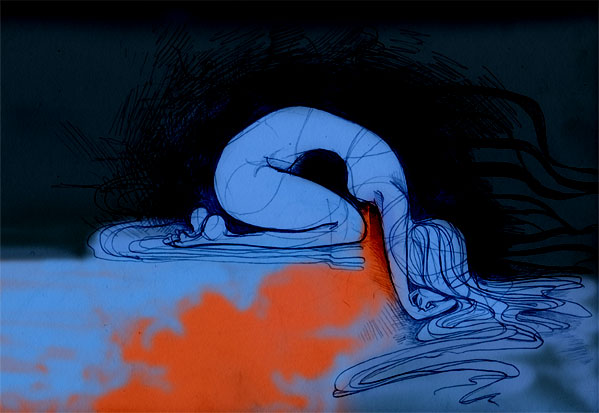
Fatigue has permeated cultural narratives, often serving as a metaphor for societal exhaustion, burnout, or a loss of vitality. In literature, characters grappling with profound weariness can reflect broader anxieties about modernity, labor, and existential ennui, as seen in works by authors like Franz Kafka or T.S. Eliot. In popular culture, the 'burnout' narrative, a form of extreme fatigue, has become a common trope, particularly in discussions surrounding demanding professions and the pressures of contemporary life. The rise of wellness culture has also brought increased attention to fatigue, framing it as a signal to reassess lifestyle choices, stress management, and self-care. The visual representation of fatigue often appears in art and media through depictions of slumped postures, dark circles under the eyes, and a general sense of malaise, as famously captured in Edvard Munch's 'The Scream' (though not directly about fatigue, it evokes profound distress). The widespread experience of fatigue has also fueled the growth of industries focused on energy enhancement, sleep aids, and stress reduction.
⚡ Current State & Latest Developments
The current landscape of fatigue research is increasingly focused on personalized medicine and understanding the intricate interplay between genetics, environment, and lifestyle. Recent advancements in biomarker discovery aim to identify objective indicators for different types of fatigue, moving beyond subjective reporting. The National Institutes of Health (NIH) has funded significant research into the neuroimmunology of fatigue, exploring the role of the immune system and cytokines in persistent exhaustion. There's a growing recognition of post-viral fatigue syndromes, particularly in the wake of the COVID-19 pandemic, leading to increased research into Long COVID and its debilitating fatigue component. Furthermore, the development of wearable technology and digital health platforms is enabling more continuous and objective monitoring of fatigue-related physiological data, such as heart rate variability and sleep patterns, offering new avenues for diagnosis and management. The CDC continues to update guidelines and research efforts for conditions like ME/CFS.
🤔 Controversies & Debates
One of the most persistent controversies surrounding fatigue, particularly in the medical context, is the diagnostic challenge when no clear organic cause is found. This has led to debates about the validity and recognition of conditions like ME/CFS, with some critics historically questioning whether it is a distinct illness or a psychosomatic manifestation. The term 'psychosomatic' itself is often debated, with concerns that it can be used to dismiss patients' experiences. Another area of contention is the treatment approach for chronic fatigue, with disagreements on the efficacy and appropriateness of Cognitive Behavioral Therapy (CBT) and Graded Exercise Therapy (GET), particularly for ME/CFS patients, where these interventions have been accused of causing harm. The role of alternative medicine and unproven therapies in managing fatigue also sparks debate, with proponents advocating for treatments like acupuncture or dietary supplements while mainstream medicine urges caution and evidence-based approaches. The definition and diagnostic criteria for fatigue itself remain subjects of ongoing discussion among medical pr
🔮 Future Outlook & Predictions
The future outlook for understanding and managing fatigue involves a multi-faceted approach, integrating advances in genomics, immunology, and neuroscience. Researchers are exploring the potential of gene therapy and novel pharmacological interventions targeting specific molecular pathways involved in energy metabolism and neural function. The development of sophisticated AI-driven diagnostic tools may help in identifying subtypes of fatigue and predicting individual responses to treatments. There is also a growing emphasis on preventative strategies, focusing on optimizing sleep hygiene, stress management techniques, and promoting healthy lifestyle choices to mitigate the risk of developing chronic fatigue. As our understanding of the gut-brain axis and the microbiome's role in overall health deepens, interventions targeting these areas may also emerge as significant therapeutic avenues for fatigue management. The ongoing research into Long COVID is expected to yield valuable insights applicable to other chronic fatigue conditions.
💡 Practical Applications
Understanding the root cause of fatigue is crucial for effective management and recovery. For everyday fatigue, strategies often involve rest, adequate nutrition, and pacing physical or cognitive activities to prevent overexertion. For medically related fatigue, treatment focuses on addressing the underlying condition. In cases where no clear cause is identified, management may involve lifestyle adjustments, stress reduction techniques, and sometimes, therapies aimed at improving energy levels and coping mechanisms. The development of biomarkers holds promise for more targeted and effective treatments. For individuals experiencing severe fatigue, such as those with ME/CFS, management often involves careful energy management and avoiding post-exertional malaise, with a focus on improving quality of life rather than solely aiming for a cure.
Key Facts
- Category
- science
- Type
- topic