
Contents
Overview
A food stylist is a professional who arranges food for photography, film, or television. Their primary role is to make food look appealing and delicious to the viewer, often employing techniques that go beyond how food would naturally appear. This involves meticulous preparation, careful arrangement, and the use of various tools and non-edible materials to achieve the desired visual effect. Food stylists work closely with photographers, art directors, and chefs, bridging the gap between culinary creation and visual representation. Their work is crucial in advertising, editorial content, and media, influencing consumer perception and purchasing decisions by presenting food in its most attractive, albeit sometimes artificial, state. The profession demands a blend of culinary knowledge, artistic sensibility, and technical skill, making it a unique niche within the creative industries.
🎵 Origins & History
The art of making food look good for visual consumption has roots stretching back to early still life painting, where artists meticulously rendered fruits and banquets. However, the professionalization of food styling as a distinct discipline emerged with the rise of commercial photography in the early 20th century, particularly in the United States. Early advertising campaigns in magazines like Life and Vogue began to feature meticulously arranged food items. The demand grew exponentially with the expansion of the food industry and media, transforming it from a simple arrangement task into a specialized craft by the mid-20th century.
⚙️ How It Works
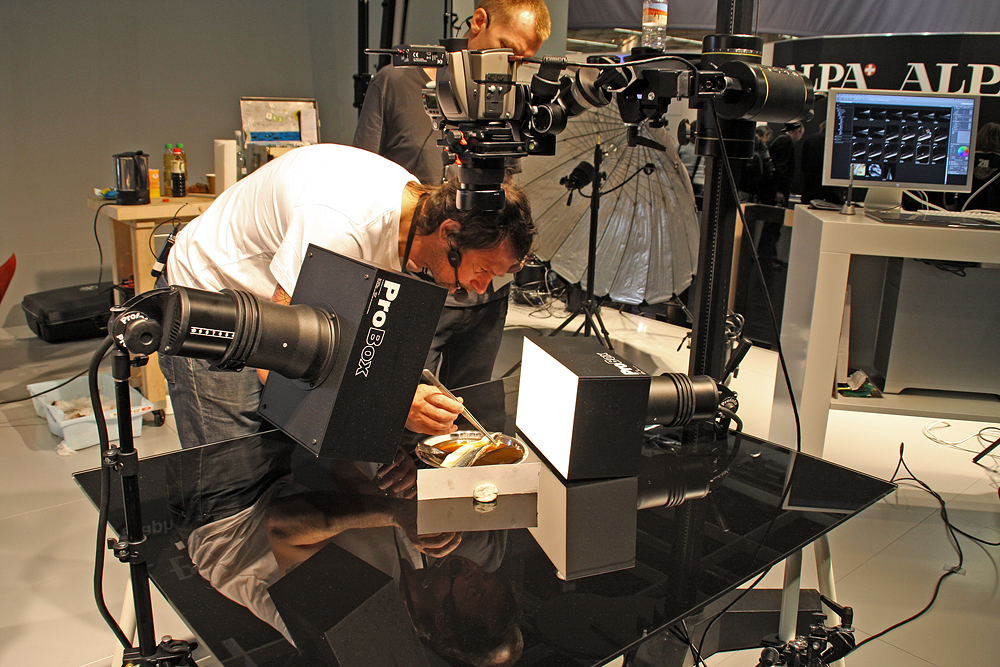
A food stylist's process is a carefully orchestrated performance. It begins with understanding the brief from the art director or client, often involving specific dietary requirements or aesthetic goals. The stylist then selects the freshest ingredients, sometimes preparing them hours in advance. Techniques can range from simple garnishing to complex manipulations: using glycerin to simulate condensation on drinks, applying hairspray to make pastries glisten, or employing non-edible fillers like sponges or cotton balls to prop up burgers and maintain shape. Tools like tweezers, brushes, and even blowtorches are common. The final arrangement is a delicate balance, ensuring every angle is perfect for the camera, often involving multiple takes and adjustments under the photographer's direction.
📊 Key Facts & Numbers
The global food styling industry is difficult to quantify precisely, but the commercial photography sector it serves is substantial. A single high-profile advertising campaign can involve a food stylist for several weeks. The demand grew exponentially with the expansion of the food industry and media, transforming it from a simple arrangement task into a specialized craft by the mid-20th century.
👥 Key People & Organizations
Key figures in food styling include Denise Vause, a prominent stylist whose work has graced countless magazine covers. Organizations like the Association of Food Bloggers and the James Beard Foundation, while not exclusively for stylists, often highlight the visual artistry that food stylists contribute to culinary recognition. Photographers like Marty Richard and Kate Miersma frequently collaborate with top stylists, underscoring the symbiotic relationship. The rise of social media platforms like Instagram has also fostered communities of stylists, sharing techniques and inspiration.
🌍 Cultural Impact & Influence
The 'food porn' phenomenon on Instagram and TikTok is a direct descendant of this visual culture, with amateur stylists often mimicking professional techniques.
⚡ Current State & Latest Developments
The digital age has both democratized and intensified the need for skilled food styling. With the explosion of content creation on platforms like Instagram, YouTube, and TikTok, there's a constant demand for visually appealing food content. This has led to an increase in amateur food stylists and a growing market for online courses and tutorials. Professional stylists are increasingly leveraging digital tools for planning and execution, while also adapting to the faster pace of digital content creation. The rise of food bloggers and influencers has created a new client base, often requiring a blend of professional polish and authentic, relatable presentation. The industry is also seeing a greater emphasis on healthier and more natural-looking food presentations, reflecting evolving consumer preferences.
🤔 Controversies & Debates
The future of food styling is likely to be shaped by advancements in digital technology and evolving consumer expectations. Augmented reality (AR) and virtual reality (VR) could offer new ways to visualize and present food, potentially reducing the need for physical styling in some contexts. However, the tactile and sensory appeal of real food will likely ensure the continued relevance of physical styling. There's a growing trend towards 'authentic' styling, emphasizing natural textures and less artificial manipulation, driven by consumer demand for transparency and healthier eating. Stylists may also find new opportunities in areas like virtual food experiences, recipe development for digital platforms, and even in the scientific visualization of food textures and properties.
🔮 Future Outlook & Predictions
Food stylists are indispensable in various sectors. In advertising, they create the mouth-watering images that drive sales for everything from cereal boxes to restaurant menus. For editorial content, they craft visually engaging food spreads for magazines like Food & Wine and cookbooks, making recipes accessible and appealing. In film and television, they ensure that the food depicted on screen looks appetizing, whether it's a gourmet meal in a drama or a quick snack in a sitcom. They also play a role in product development, helping companies visualize and refine the appearance of new food items before mass production. Furthermore, food bloggers and influencers increasingly rely on styling techniques to enhance their online presence and engage their audiences.
💡 Practical Applications
The craft of food styling is deeply intertwined with several other disciplines. Food photography is its most direct partner, with stylists and photographers often working in tandem to achieve a shared vision. Culinary arts provide the raw materials and foundational knowledge, with many stylists having backgrounds as chefs or cooks. Prop styling complements food styling by providing the context – plates, cutlery, linens, and backgrounds – that complete the visual narrative. Graphic design and art direction guide the overall aesthetic and messaging of the final image. For those interested in the visual representation of food, exploring food blogging, culinary magazines, and the history of advertising will offer further insights into this specialized field.
Key Facts
- Category
- aesthetics
- Type
- topic