
Contents
Overview
The genesis of the fountain pen can be traced back to ancient civilizations, with rudimentary ink-holding devices appearing as early as the 10th century. The modern fountain pen as we know it began to take shape in the 19th century. Key innovations include the development of the iridium-tipped gold nib, which offered durability and a smoother writing experience, and the invention of reliable internal ink-filling systems. Early collectors focused on groundbreaking models from manufacturers like Conklin and Sheaffer, laying the groundwork for the hobby as it exists today. The mid-20th century saw the rise of brands like Parker and Cross, whose iconic designs became highly sought after.
⚙️ How It Works
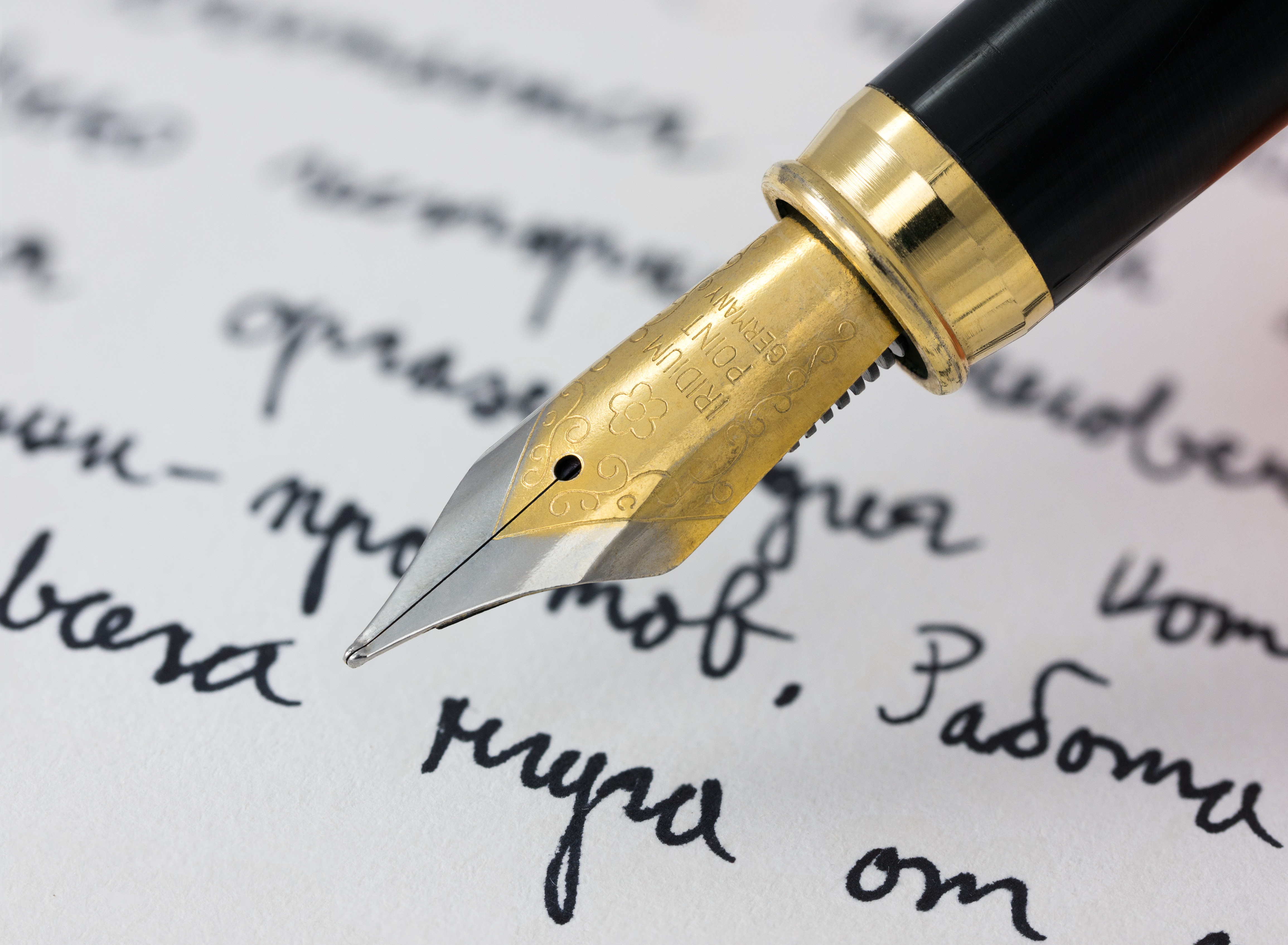
At its heart, a fountain pen functions through a sophisticated interplay of gravity and capillary action. Ink is stored in an internal reservoir, which can be filled via various mechanisms: a simple eyedropper, a lever-activated sac system, a piston mechanism that moves a plunger, or a vacuum filler that creates a pressure differential. From the reservoir, ink flows through a feed, a precisely engineered component with channels, to the nib. The nib, typically made of gold or steel and tipped with a hard alloy like iridium, has a slit that allows ink to flow to its tip. As the nib touches paper, capillary action draws the ink down the slit and onto the writing surface, while gravity ensures a consistent supply from the reservoir. The design of the feed and nib is crucial for controlling ink flow, affecting line width, wetness, and the overall writing experience.
📊 Key Facts & Numbers
The global fountain pen market is substantial. Vintage pens, particularly those from the 'Golden Age' (roughly 1920s-1950s), can command prices from $100 to over $10,000 for rare examples like a Montblanc 149 or a Pelikan 100N. Limited edition modern pens, such as Visconti Homo Sapiens or Namiki Yukari models, often retail between $500 and $5,000, with some ultra-limited runs exceeding $20,000. The secondary market sees millions of transactions annually, with platforms like eBay reporting hundreds of thousands of fountain pen listings each month. Collectors often own an average of 10-20 pens, with dedicated enthusiasts possessing hundreds, if not thousands, of writing instruments.
👥 Key People & Organizations
The fountain pen collecting community is diverse, featuring individuals from all walks of life. Prominent figures in the pen world include collectors, restorers, manufacturers, and reviewers. The Goulet Pen Company, founded by Brian Goulet and Rachel Goulet in 2009, has become a major online retailer and educational resource, significantly shaping the modern hobby. Independent pen makers like Taccia and Narwhal have also gained traction. Organizations such as the Pen Collectors of America (PCA) and the Pen World Association facilitate networking and knowledge sharing among enthusiasts. Bloggers and YouTubers like S.B.R.E. Brown and The Desk of Ian Show play a crucial role in reviewing new pens, sharing restoration tips, and fostering community engagement.
🌍 Cultural Impact & Influence
Fountain pens have profoundly influenced writing culture and aesthetics. They represent a tangible connection to a pre-digital era, offering a deliberate and often luxurious writing experience. The act of using a fountain pen encourages slower, more thoughtful communication, contrasting with the speed of digital text. This has led to their adoption in journaling, calligraphy, and personal correspondence, preserving these practices. The intricate designs and craftsmanship of pens from brands like Cross and Waterman have also influenced industrial design and luxury goods markets. Furthermore, the vibrant ink color palettes available from brands like Diamine and Pilot Iroshizuku have expanded the creative possibilities of writing and drawing.
⚡ Current State & Latest Developments
The fountain pen market is experiencing a resurgence, driven by a new generation of enthusiasts discovering the joy of analog writing. Modern manufacturers are innovating with new materials, designs, and filling systems, while also reissuing classic models. Brands like Lamy with its Safari and Al-Star pens continue to be popular entry points, while high-end brands like Montblanc release elaborate limited editions. The online community remains a powerhouse, with active forums on Reddit (e.g., r/fountainpens) and dedicated YouTube channels providing constant content. Pen shows, such as the Chicago Pen Show and the London Pen Show, are thriving, offering collectors opportunities to see, test, and purchase pens directly from manufacturers and dealers.
🤔 Controversies & Debates
One persistent debate in fountain pen collecting revolves around the definition of 'vintage' versus 'modern' pens, with lines often blurred by reissues and evolving manufacturing techniques. Another controversy concerns the ethical sourcing of materials, particularly regarding vintage celluloid and precious metals. The authenticity and restoration of rare pens are also points of contention, with debates over whether a pen should be kept in original condition or restored to writing readiness. Furthermore, the environmental impact of ink production and plastic pen manufacturing is an ongoing discussion within the community, prompting a greater focus on sustainable practices and refillable ink systems.
🔮 Future Outlook & Predictions
The future of fountain pen collecting appears robust, with continued growth anticipated. We can expect further innovation in materials science, leading to more durable and aesthetically unique pens. The integration of smart technology, while perhaps a niche development, could see pens capable of digitizing handwritten notes seamlessly. The increasing appreciation for craftsmanship and analog experiences suggests that fountain pens will remain a cherished hobby. Collectors may see a greater emphasis on sustainable manufacturing and repairability, aligning the hobby with broader environmental concerns. The accessibility of information through online platforms will likely continue to foster new collectors and deepen the knowledge base of the existing community.
💡 Practical Applications
Fountain pens are not merely collectibles; they are functional tools for writing, drawing, and artistic expression. They are used daily by students for note-taking, by professionals for signing important documents, and by artists for sketching and calligraphy. The tactile feedback and smooth ink flow offer a superior writing experience for those who appreciate it. Beyond personal use, fountain pens are popular as gifts, symbolizing achievement, appreciation, or a milestone. Their aesthetic appeal also makes them decorative items, displayed on desks or in display cases. The variety of inks and nibs allows for immense personalization, enabling users to tailor their writing instrument to specific tasks and preferences.
Key Facts
- Category
- aesthetics
- Type
- topic