
Contents
Overview
The genesis of France Télévisions as a unified entity traces back to September 7, 1992, with the creation of France 2 and France 3 from the remnants of public television's previous structure. However, the modern iteration of France Télévisions truly began to take shape around September 6, 2000, when the group was reorganized to encompass a broader range of public channels. This period saw the integration of France 5 (which replaced La Cinquième) and France 4 (formerly Festival), solidifying a multi-channel public service offering. The foundational impetus for this consolidation came from figures like Jack Lang and Catherine Tasca, who championed the idea of a stronger, more cohesive public broadcasting system in France. This evolution was not merely administrative; it represented a strategic effort to compete with the burgeoning private television landscape and maintain a significant public service voice in a rapidly changing media environment.
⚙️ How It Works
France Télévisions operates as a state-owned enterprise, meaning its ultimate ownership rests with the French government. Its operational framework involves managing a portfolio of distinct television channels, each with its own programming identity, while also coordinating shared resources and strategic direction. Funding is a dual-pronged approach: a significant portion comes directly from the French Treasury, reflecting its public service mandate, and is supplemented by revenue generated from advertising and sponsorships. The group also engages in audiovisual production through subsidiaries like France.tv Studio, distributes its content, and holds stakes in international ventures such as TV5 Monde. This structure allows for both specialized channel programming and centralized strategic decision-making for the overall public broadcasting mission.
📊 Key Facts & Numbers
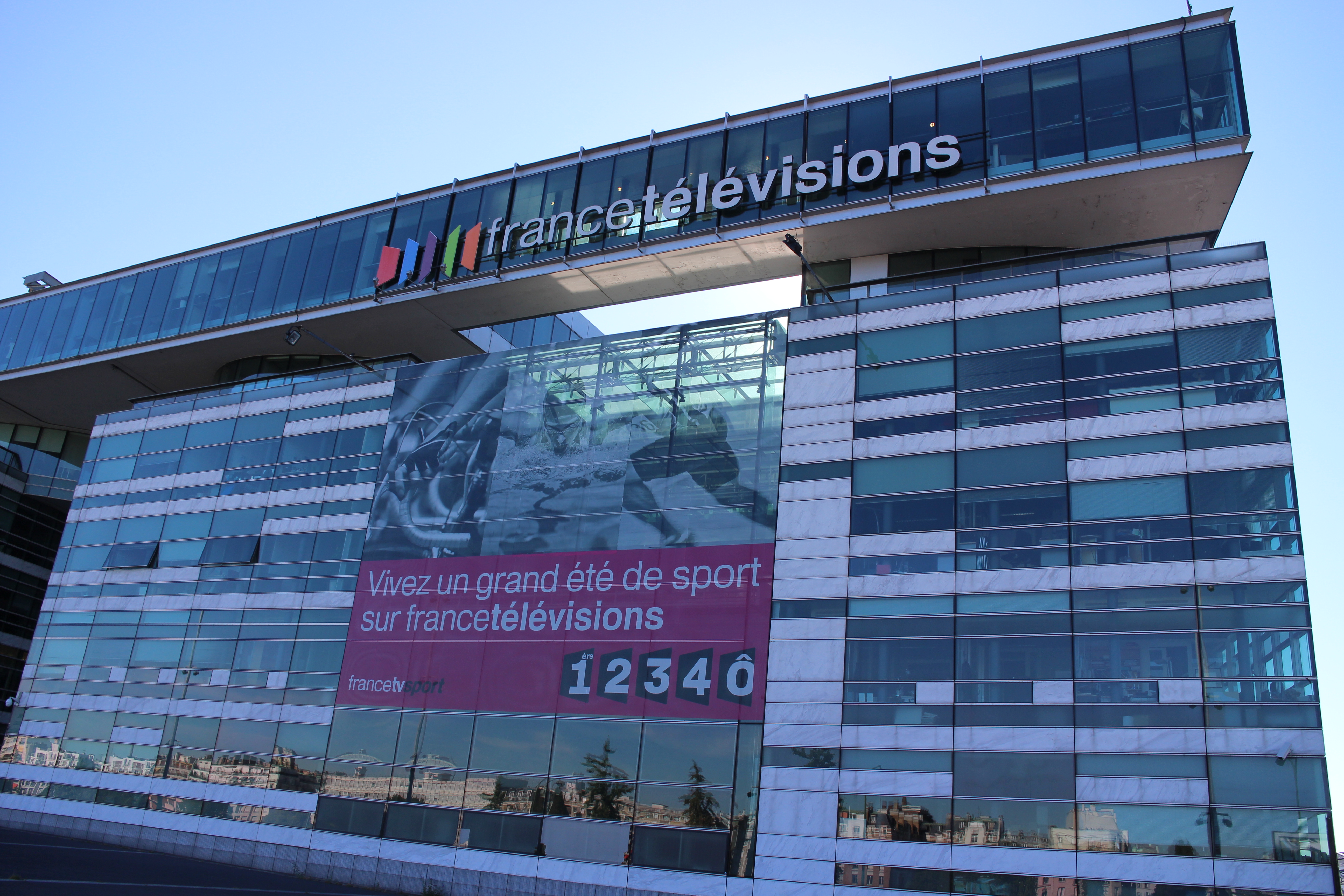
As of recent data, France Télévisions employs approximately 9,050 individuals, making it a substantial employer within the French media sector. The group's headquarters are situated in Paris, France. Its operational budget is largely derived from public funds, though advertising revenue plays a crucial role, contributing significantly to its financial stability. For instance, in 2009, advertising revenue was a key component of its funding model, even as debates arose about its extent. The group manages a suite of channels including France 2, France 3, France 4, France 5, and the news channel France Info, alongside regional services like Outre-Mer 1ère. Its digital platform, france.tv, serves as a central hub for catch-up viewing and streaming content, reaching millions of viewers daily.
👥 Key People & Organizations
Key figures in the establishment and ongoing governance of France Télévisions include Jack Lang and Catherine Tasca, who were instrumental in its foundational restructuring. The current leadership navigates the complex operational and strategic landscape, with the Director-General and the Supervisory Board playing critical roles in setting the direction for the group. Beyond these leadership positions, the organization comprises numerous production teams, journalists, technicians, and administrative staff, all contributing to its daily output. Major subsidiaries like France.tv Studio and TV5 Monde represent significant organizational components, each with its own leadership and operational focus within the broader France Télévisions ecosystem.
🌍 Cultural Impact & Influence
France Télévisions plays a pivotal role in shaping French culture and national identity. Its programming spans news, current affairs, drama, documentaries, and children's content, aiming to inform, educate, and entertain the French populace. Channels like France 2 and France 3 are deeply embedded in the national consciousness, broadcasting major events, popular series, and regional news that resonate across the country. The group's commitment to producing high-quality French drama and documentaries has not only served domestic audiences but also gained international recognition, influencing global perceptions of French cinema and television. Furthermore, its news divisions, including the dedicated France Info channel, are crucial in disseminating information and fostering public debate, acting as a vital pillar of democratic discourse in France.
⚡ Current State & Latest Developments
In recent years, France Télévisions has focused on strengthening its digital presence through its france.tv platform, aiming to provide a comprehensive on-demand viewing experience and reach younger audiences. The group continues to adapt its content strategy to evolving viewer habits, investing in original productions and diversifying its programming across its various channels. Strategic partnerships and co-productions, both domestically and internationally, remain a key aspect of its development, allowing it to share costs and expand its creative reach. The ongoing digital transformation necessitates continuous investment in technology and content innovation to maintain its position against a competitive media landscape dominated by global streaming giants and private broadcasters.
🤔 Controversies & Debates
The funding model of France Télévisions has been a perennial source of debate, particularly concerning the balance between public funding and advertising revenue. The abolition of advertising after 8 PM on public channels in 2009, and subsequent discussions about extending this ban, highlight the tension between maintaining a commercial-free public service and securing adequate financial resources. Critics sometimes question the efficiency and scope of public broadcasting, while proponents emphasize its role in providing diverse, high-quality content and serving as a counterweight to commercial media. Furthermore, questions about editorial independence and the influence of government policy on programming decisions are recurring points of contention within the French media landscape.
🔮 Future Outlook & Predictions
The future trajectory of France Télévisions will likely be shaped by its ability to navigate the ongoing digital revolution and evolving media consumption patterns. Expect continued investment in the france.tv platform to enhance its streaming capabilities and user experience, potentially incorporating more interactive features. The group may also explore new co-production models and strategic alliances to bolster its international presence and financial resilience. As the media landscape continues to fragment, France Télévisions will face the challenge of maintaining broad audience appeal while fulfilling its public service mandate, potentially leading to further consolidation or specialization of its channels and digital offerings. The debate over its funding model is also likely to persist, influencing its strategic decisions and operational capacity.
💡 Practical Applications
France Télévisions serves as a primary producer and distributor of audiovisual content for the French public. Its channels broadcast a wide array of programming, from daily news and current affairs on France Info and France 2, to cultural documentaries, historical dramas, and children's educational shows on France 5 and France 4. The france.tv platform allows viewers to access this content on-demand, making it a crucial resource for French citizens seeking information and entertainment. Beyond domestic broadcasting, France Télévisions' involvement in international co-productions and its stake in TV5 Monde extend its reach globally, showcasing French culture and perspectives to a worldwide audience. Its production arm, France.tv Studio, is also instrumental in creating content for other broadcasters and platforms.
Key Facts
- Category
- platforms
- Type
- topic