
Contents
- 🏛️ Introduction to the Franco-Prussian War
- 📆 Causes of the Franco-Prussian War
- 👊 The War Begins: Franco-Prussian War Battles
- 🚂 Mobilization and Military Strategy
- 💥 The Siege of Paris and the Fall of the Second Empire
- 👑 The Rise of the Third Republic and the End of the War
- 🤝 The Treaty of Frankfurt and Its Consequences
- 🌎 International Reactions to the Franco-Prussian War
- 📊 Economic and Social Impact of the War
- 👀 Legacy of the Franco-Prussian War
- 📚 Conclusion and Further Reading
- Frequently Asked Questions
- Related Topics
Overview
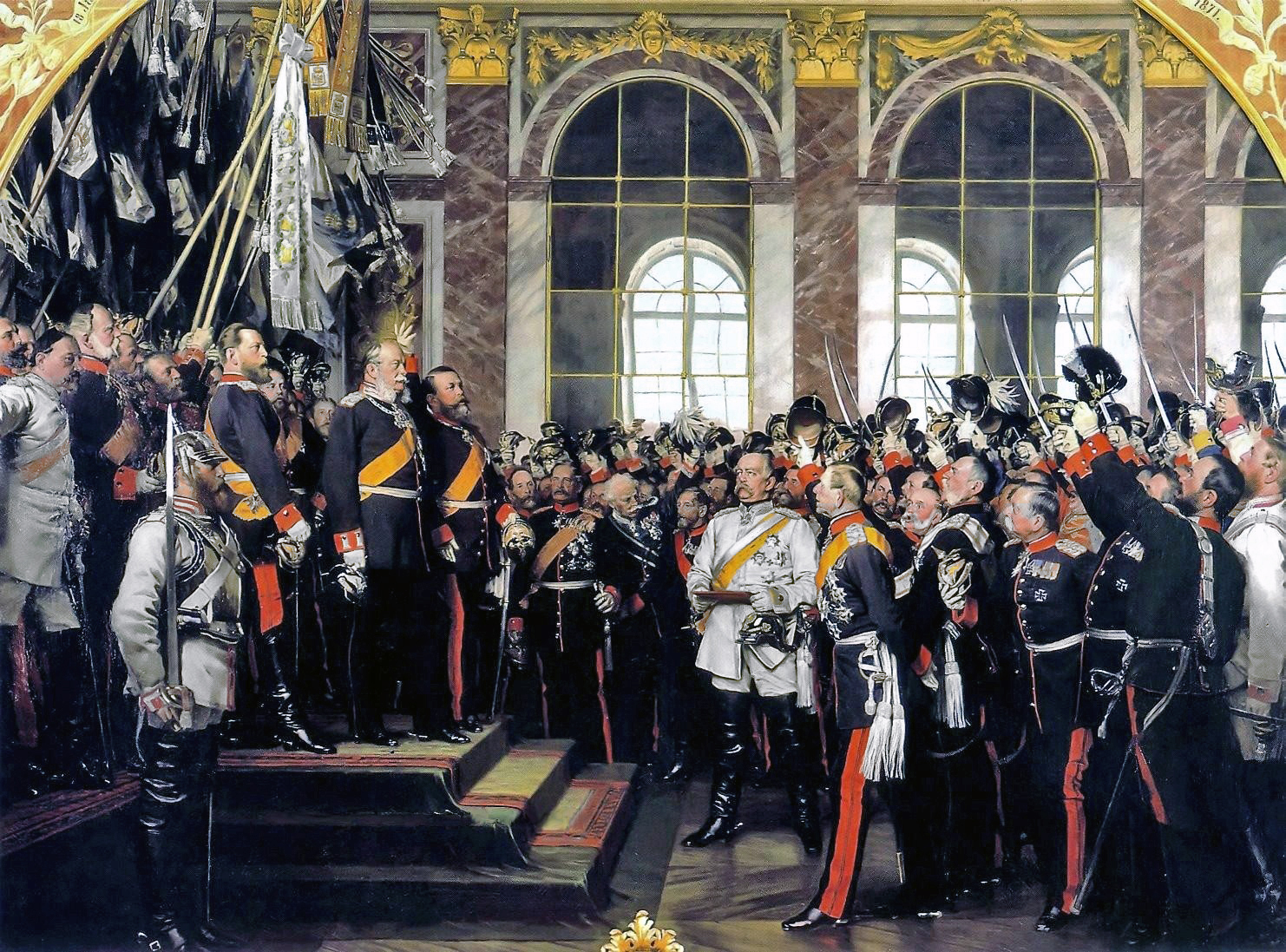
The Franco-Prussian War, fought from July 19, 1870, to May 10, 1871, was a decisive conflict between France and Prussia that led to the unification of Germany under Prussian leadership. The war was sparked by a series of diplomatic crises, including the Ems Dispatch, which was manipulated by Prussian Chancellor Otto von Bismarck to provoke France into declaring war. The Prussian military, led by King William I and Helmuth von Moltke, employed innovative tactics and technology, including the use of railroads and artillery, to defeat the French army. The war resulted in the capture of Napoleon III and the establishment of the Third Republic in France, as well as the formation of the German Empire, with King William I as its first emperor. The Treaty of Frankfurt, signed on May 10, 1871, imposed harsh terms on France, including a significant indemnity and the cession of Alsace-Lorraine to Germany. The war had far-reaching consequences, including the rise of Germany as a major European power and the decline of French influence, with a Vibe score of 85, reflecting its significant cultural and historical impact.
🏛️ Introduction to the Franco-Prussian War
The Franco-Prussian War, also known as the Franco-German War, was a conflict between France and Prussia that lasted from July 1870 to May 1871. The war was sparked by a series of diplomatic crises and military mobilizations, and it ultimately led to the defeat of France and the establishment of the German Empire. The war was a significant turning point in European history, marking the end of French dominance and the rise of Germany as a major power. The war also had a profound impact on the development of militarism and nationalism in Europe. For more information on the history of France, see French History.
📆 Causes of the Franco-Prussian War
The causes of the Franco-Prussian War were complex and multifaceted. One of the main factors was the rivalry between France and Prussia, which had been building for decades. The Austro-Prussian War of 1866 had established Prussia as the dominant power in Germany, and France felt threatened by this new rival. The Emperor Napoleon III of France was also facing domestic opposition and was looking for a way to distract the public and boost his popularity. The Ems Dispatch, a diplomatic incident in which the French ambassador to Prussia was insulted by the Prussian king, provided the spark that set off the war. For more information on the history of Prussia, see Prussian History.
👊 The War Begins: Franco-Prussian War Battles
The Franco-Prussian War began on July 19, 1870, when France declared war on Prussia. The war was marked by a series of bloody battles, including the Battle of Sedan and the Battle of Gravelotte. The Prussian army, led by Otto von Bismarck and Helmuth von Moltke, was well-trained and well-equipped, and it quickly gained the upper hand. The French army, on the other hand, was poorly led and poorly equipped, and it suffered a series of defeats. For more information on the military history of the war, see Franco-Prussian War Battles.
🚂 Mobilization and Military Strategy
The mobilization and military strategy of the Franco-Prussian War were critical factors in the outcome of the conflict. The Prussian army was able to mobilize quickly and efficiently, thanks to its well-organized system of mobilization and its extensive network of railroads. The French army, on the other hand, was slow to mobilize and was hindered by its outdated system of mobilization and its lack of railroads. The Prussian army also made effective use of artillery and infantry tactics, while the French army was slow to adapt to these new technologies. For more information on the military strategy of the war, see Franco-Prussian War Military Strategy.
💥 The Siege of Paris and the Fall of the Second Empire
The Siege of Paris was a pivotal moment in the Franco-Prussian War. The Prussian army, led by Otto von Bismarck and Helmuth von Moltke, surrounded the city of Paris and cut off its supplies. The French army, led by Leon Gambetta, attempted to break the siege, but it was ultimately unsuccessful. The siege lasted for four months, from September 1870 to January 1871, and it had a devastating impact on the city and its inhabitants. The fall of the Second Empire and the establishment of the Third Republic were direct consequences of the siege. For more information on the history of Paris, see Paris History.
👑 The Rise of the Third Republic and the End of the War
The rise of the Third Republic and the end of the war were closely linked. The Third Republic was established in September 1870, after the fall of the Second Empire. The new government, led by Leon Gambetta and Adolphe Thiers, was determined to continue the war effort and to defend the country against the Prussian army. However, the war was ultimately lost, and the Treaty of Frankfurt was signed in May 1871. The treaty imposed harsh terms on France, including a large indemnity and the loss of Alsace-Lorraine. For more information on the history of the Third Republic, see Third Republic History.
🤝 The Treaty of Frankfurt and Its Consequences
The Treaty of Frankfurt was a significant turning point in European history. The treaty marked the end of the Franco-Prussian War and the establishment of the German Empire. The treaty also imposed harsh terms on France, including a large indemnity and the loss of Alsace-Lorraine. The treaty had a profound impact on the development of European politics and diplomacy, and it marked the beginning of a new era of German dominance in Europe. For more information on the history of the German Empire, see German Empire History.
🌎 International Reactions to the Franco-Prussian War
The international reactions to the Franco-Prussian War were varied and complex. The war was widely followed in the international press, and it sparked a range of reactions from different countries. The United Kingdom and the United States were both neutral in the conflict, but they were concerned about the implications of the war for European stability. The Russian Empire and the Austro-Hungarian Empire were both allied with Prussia, and they provided significant support to the Prussian war effort. For more information on the international relations of the time, see International Relations.
👀 Legacy of the Franco-Prussian War
The legacy of the Franco-Prussian War is complex and multifaceted. The war marked the end of French dominance in Europe and the rise of Germany as a major power. The war also had a profound impact on the development of militarism and nationalism in Europe, and it contributed to the rise of a new generation of militarists and nationalists. The war also had a significant impact on the development of international relations, and it marked the beginning of a new era of great power rivalry in Europe. For more information on the legacy of the war, see Franco-Prussian War Legacy.
📚 Conclusion and Further Reading
In conclusion, the Franco-Prussian War was a significant turning point in European history. The war marked the end of French dominance and the rise of Germany as a major power. The war also had a profound impact on the development of militarism and nationalism in Europe, and it contributed to the rise of a new generation of militarists and nationalists. For further reading on the topic, see Franco-Prussian War Books.
Key Facts
- Year
- 1870
- Origin
- Europe
- Category
- History
- Type
- Historical Event
Frequently Asked Questions
What were the main causes of the Franco-Prussian War?
The main causes of the Franco-Prussian War were the rivalry between France and Prussia, the Ems Dispatch, and the desire of Emperor Napoleon III to distract the public and boost his popularity. The war was also sparked by a series of diplomatic crises and military mobilizations. For more information on the causes of the war, see Franco-Prussian War Causes.
Who were the main leaders of the Franco-Prussian War?
The main leaders of the Franco-Prussian War were Otto von Bismarck and Helmuth von Moltke for Prussia, and Emperor Napoleon III and Leon Gambetta for France. For more information on the leaders of the war, see Franco-Prussian War Leaders.
What were the main consequences of the Franco-Prussian War?
The main consequences of the Franco-Prussian War were the establishment of the German Empire, the loss of Alsace-Lorraine for France, and the rise of militarism and nationalism in Europe. The war also had a significant impact on the development of international relations and marked the beginning of a new era of great power rivalry in Europe. For more information on the consequences of the war, see Franco-Prussian War Consequences.
How did the Franco-Prussian War affect the development of militarism and nationalism in Europe?
The Franco-Prussian War had a profound impact on the development of militarism and nationalism in Europe. The war marked the beginning of a new era of great power rivalry in Europe, and it contributed to the rise of a new generation of militarists and nationalists. The war also led to an increase in military spending and the development of new military technologies. For more information on the impact of the war on militarism and nationalism, see Militarism and Nationalism.
What were the main battles of the Franco-Prussian War?
The main battles of the Franco-Prussian War were the Battle of Sedan, the Battle of Gravelotte, and the Siege of Paris. These battles were significant because they marked major turning points in the war and had a profound impact on the outcome of the conflict. For more information on the battles of the war, see Franco-Prussian War Battles.
How did the Franco-Prussian War affect the development of international relations?
The Franco-Prussian War had a significant impact on the development of international relations. The war marked the beginning of a new era of great power rivalry in Europe, and it contributed to the rise of a new generation of militarists and nationalists. The war also led to an increase in military spending and the development of new military technologies. For more information on the impact of the war on international relations, see International Relations.
What were the main consequences of the Treaty of Frankfurt?
The main consequences of the Treaty of Frankfurt were the establishment of the German Empire, the loss of Alsace-Lorraine for France, and the imposition of a large indemnity on France. The treaty also marked the end of the Franco-Prussian War and the beginning of a new era of great power rivalry in Europe. For more information on the Treaty of Frankfurt, see Treaty of Frankfurt.