
Contents
Overview
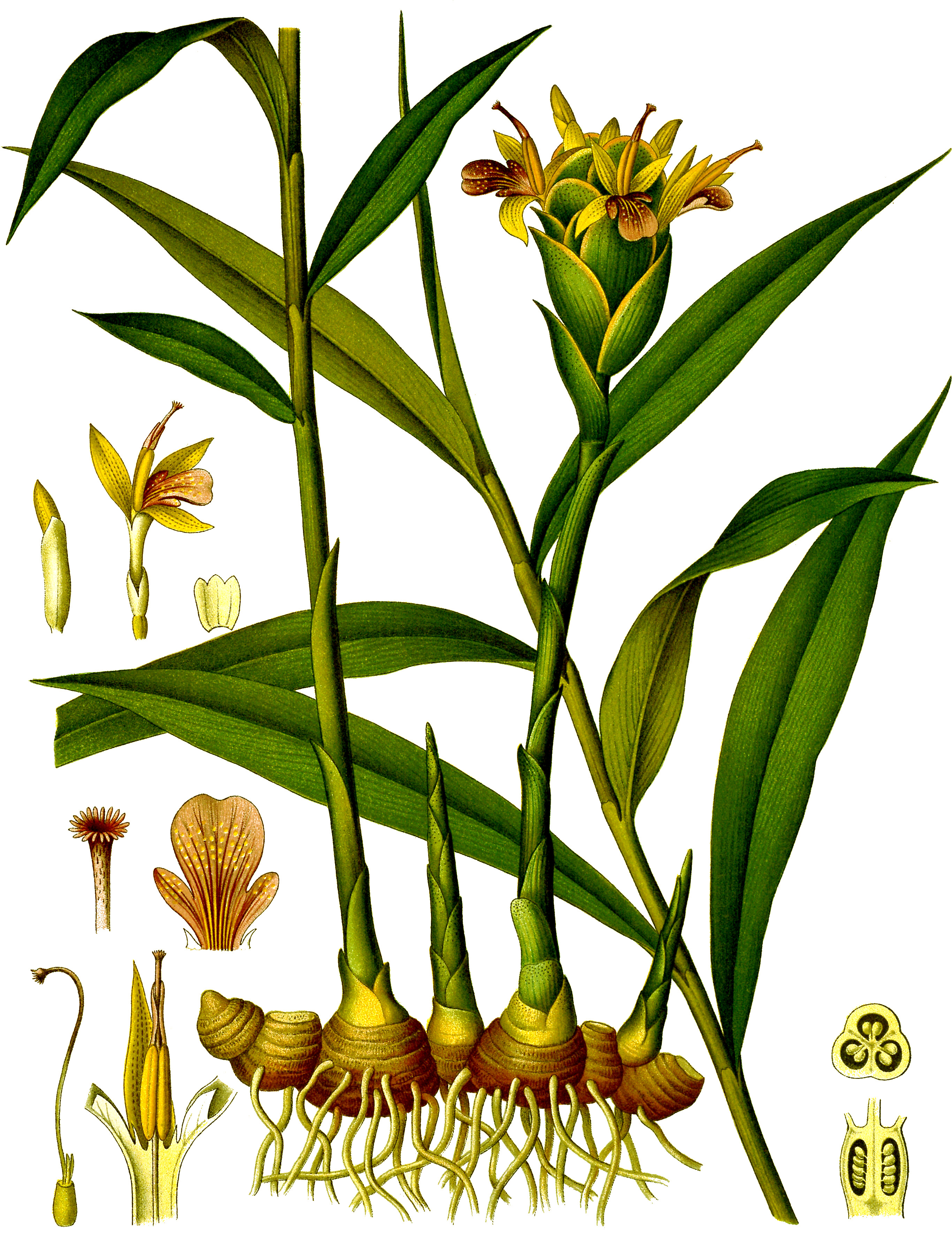
Ginger, also known as Zingiber officinale, is a flowering plant whose rhizome is widely used as a spice and a folk medicine. Ginger has been used by ancient Greeks and Romans, such as Hippocrates and Galen. Today, ginger is a staple ingredient in many cuisines, including Chinese cuisine, Indian cuisine, and Japanese cuisine. With its numerous health benefits and culinary applications, ginger has become a popular ingredient worldwide, available in various forms, including fresh, dried, and ginger essential oil.
🌿 Origins & History
Ginger was used by ancient Greeks and Romans, such as Hippocrates and Galen. Today, ginger is cultivated in many countries, including India, China, and Indonesia.
⚙️ How It Works
Ginger's medicinal properties are attributed to its active compounds, such as gingerol and shogaol, which have anti-inflammatory and antioxidant effects. The rhizome of the ginger plant can be used fresh, dried, or in supplement form, and is often consumed as a tea, ginger beer, or added to food dishes, such as sushi and curry. Ginger has also been used in traditional medicine for its perceived health benefits and spiritual significance, with practitioners like Deepak Chopra and Andrew Weil advocating for its use.
📊 Key Facts & Numbers
Ginger is used in a variety of products, including food, beverages, and dietary supplements. Ginger has been used in traditional medicine for its perceived health benefits and spiritual significance.
👥 Key People & Organizations
Key people involved in the ginger industry include farmers, researchers, and entrepreneurs. Organizations like the Food and Agriculture Organization (FAO) and the World Health Organization (WHO) also play a crucial role in promoting sustainable ginger production and trade.
🌍 Cultural Impact & Influence
Ginger is a symbol of good health and prosperity in Asian cultures. Ginger is used in traditional medicine in Japan, India, China, and Korea.
⚡ Current State & Latest Developments
Ginger can be grown sustainably using practices like permaculture and regenerative agriculture.
🤔 Controversies & Debates
One of the controversies surrounding ginger is its potential impact on the environment. However, ginger can be grown sustainably, using practices like permaculture and regenerative agriculture.
🔮 Future Outlook & Predictions
The future outlook for ginger is promising, with increasing demand and production expected to drive growth in the industry. Researchers are also exploring new uses for ginger, such as in the production of biofuels and bioplastics.
💡 Practical Applications
Ginger has a wide range of practical applications, from food and beverages to medicine and cosmetics. It is used in traditional medicine, such as Ayurveda and Traditional Chinese Medicine, and is also used in modern medicine, particularly in the treatment of nausea and digestive issues.
Key Facts
- Category
- nature
- Type
- topic
Frequently Asked Questions
What is ginger?
Ginger is a flowering plant whose rhizome is widely used as a spice and a folk medicine. It is a staple ingredient in many cuisines, including Chinese cuisine, Indian cuisine, and Japanese cuisine.