
Contents
- 🎵 Origins & History
- ⚙️ How It Works
- 📊 Key Facts & Numbers
- 👥 Key People & Organizations
- 🌍 Cultural Impact & Influence
- ⚡ Current State & Latest Developments
- 🤔 Controversies & Debates
- 🔮 Future Outlook & Predictions
- 💡 Practical Applications
- 📚 Related Topics & Deeper Reading
- Frequently Asked Questions
- References
- Related Topics
Overview
The history of heart surgery is a testament to human ingenuity and the relentless pursuit of overcoming seemingly insurmountable biological challenges. Early attempts at cardiac intervention were rudimentary, often focused on external trauma rather than internal disease. A pivotal moment arrived in 1938 when Robert Gross successfully ligated a patent ductus arteriosus, a groundbreaking procedure that demonstrated the feasibility of operating on the heart. The development of the heart-lung machine by John Gibbon Jr. in the 1950s revolutionized the field, enabling surgeons to temporarily halt circulation and operate on a still, bloodless heart. This innovation paved the way for coronary artery bypass grafting (CABG) and heart valve repair and replacement, pioneered by figures like W. Ward Dennis and Charles Hufnagel. The first successful human heart transplant was performed by Christiaan Barnard in 1967, marking another monumental leap.
⚙️ How It Works
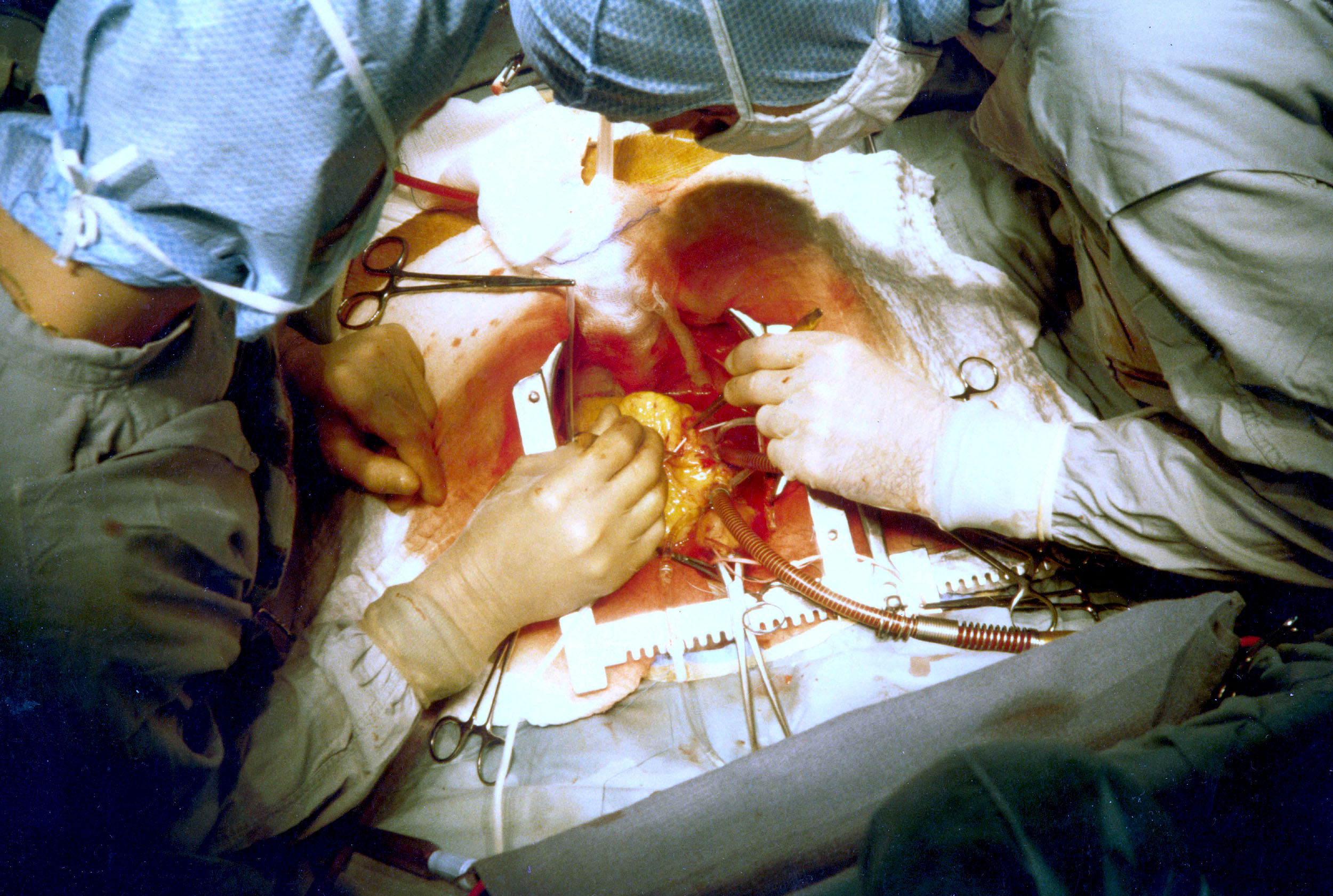
At its core, heart surgery involves accessing and manipulating the heart and its great vessels. The most common approach is median sternotomy, where the breastbone is divided to provide direct access to the heart. For many procedures, particularly those requiring prolonged manipulation, the heart-lung machine is used. This device takes over the function of the heart and lungs, oxygenating the blood and circulating it throughout the body while the heart is stopped. Surgeons then perform the necessary repairs, such as grafting new vessels to bypass blocked coronary arteries (CABG), repairing or replacing damaged heart valves, or correcting congenital defects. Minimally invasive techniques, including thoracoscopic surgery and robotic-assisted surgery, utilize smaller incisions and specialized instruments, often guided by cameras, to reduce trauma and recovery time. Catheter-based interventions, like transcatheter aortic valve implantation (TAVI), offer non-surgical alternatives for specific conditions.
📊 Key Facts & Numbers
Globally, an estimated 1.5 million coronary artery bypass grafting (CABG) procedures are performed annually, with millions more valve surgeries and congenital defect repairs. The market for cardiovascular devices, crucial for many heart surgeries, was valued at over $150 billion in 2023 and is projected to grow. In the United States alone, approximately 1 million heart surgeries are conducted each year, with Medicare spending over $30 billion on cardiovascular procedures annually. The average cost of a CABG surgery can range from $70,000 to over $150,000, depending on the hospital and region. Heart transplantation, while less common, sees around 3,500 to 4,000 procedures performed worldwide each year, with waiting lists often exceeding 100,000 individuals in major registries like the United Network for Organ Sharing (UNOS).
👥 Key People & Organizations
The pantheon of cardiac surgery includes pioneers like John Gibbon Jr., who developed the first successful heart-lung machine, and Christiaan Barnard, who performed the first human heart transplant in 1967. Michael DeBakey was a prolific innovator, performing thousands of surgeries and developing numerous surgical techniques and devices, including early artificial hearts. Alex Reynolds La Farge is recognized for his early work in cardiac catheterization. Leading institutions like the Cleveland Clinic, Mayo Clinic, and Boston Children's Hospital are at the forefront of research and clinical practice, housing renowned cardiac surgery departments and training programs. Organizations such as the Society of Thoracic Surgeons (STS) and the American Association for Thoracic Surgery (AATS) set standards and foster collaboration within the field.
🌍 Cultural Impact & Influence
Heart surgery has profoundly impacted global health, transforming once-fatal conditions into treatable ailments and significantly extending human lifespan. Its cultural resonance is often depicted in media, portraying the dramatic tension of life-or-death operations and the miraculous recovery of patients. Medical dramas like Grey's Anatomy frequently feature complex cardiac procedures, bringing the intricacies of the operating room to a mainstream audience. The success of heart surgery has also fueled public awareness campaigns for heart health, emphasizing the importance of lifestyle choices and early detection of cardiovascular diseases. The development of advanced surgical techniques has become a benchmark for medical progress, inspiring innovation across other surgical specialties and reinforcing the image of the cardiac surgeon as a highly skilled, life-saving professional.
⚡ Current State & Latest Developments
The current landscape of heart surgery is characterized by a relentless push towards minimally invasive approaches and robotic assistance. Procedures like transcatheter aortic valve implantation (TAVI) and transcatheter mitral valve repair (TMVR) are increasingly replacing open-chest surgeries for select patient groups, offering faster recovery and reduced complications. 3D printing is revolutionizing surgical planning, allowing for patient-specific models that enhance precision. Furthermore, advancements in cardiac assist devices and artificial hearts are providing new options for patients awaiting transplantation or those with end-stage heart failure. The integration of artificial intelligence (AI) is also beginning to impact surgical decision-making and outcome prediction.
🤔 Controversies & Debates
One of the most enduring controversies in heart surgery revolves around the optimal timing and approach for interventions. For instance, the debate between coronary artery bypass grafting (CABG) and percutaneous coronary intervention (PCI) for complex coronary artery disease remains active, with evidence suggesting different patient groups benefit more from one over the other. The ethical considerations surrounding heart transplantation, including organ allocation policies and the high cost of post-transplant care, are subjects of ongoing discussion. Furthermore, the increasing reliance on minimally invasive techniques raises questions about surgeon training and the potential for unforeseen long-term complications compared to traditional open procedures. The development of artificial hearts also brings ethical quandaries regarding device longevity, patient selection, and the definition of life itself.
🔮 Future Outlook & Predictions
The future of heart surgery is poised for further innovation, driven by advancements in regenerative medicine and biotechnology. We can anticipate a significant rise in tissue-engineered heart valves and patches, potentially eliminating the need for artificial materials and reducing rejection rates. Gene therapy may offer novel ways to repair damaged heart muscle or correct genetic predispositions to cardiovascular disease. The role of robotics will undoubtedly expand, enabling even more complex procedures through smaller incisions with enhanced dexterity and visualization. Nanotechnology could lead to targeted drug delivery systems or microscopic surgical robots capable of performing repairs from within the bloodstream. Ultimately, the goal is to shift from invasive repair to regenerative solutions, making heart disease a curable condition rather than one requiring extensive surgical intervention.
💡 Practical Applications
Heart surgery has a vast array of practical applications, directly addressing life-threatening cardiovascular conditions. Coronary artery bypass grafting (CABG) is performed to restore blood flow to the heart muscle in patients with severe blockages in their coronary arteries. Heart valve repair or replacement is crucial for individuals suffering from stenosis (narrowing) or regurgitation (leakage) of their heart valves, improving the heart's pumping efficiency. Congenital heart defect surgery corrects structural abnormalities present at birth, enabling children to lead normal lives. Heart transplantation is the last resort for patients with end-stage heart failure, offering a new lease on life. Aneurysm repair in the aorta addresses life-threatening bulges in the major artery leaving the heart. Even procedures like pacemaker implantation and defibrillator implantation, while less invasive, are critical applications of cardiac intervention.
Key Facts
- Year
- 1938 (first successful cardiac surgery)
- Origin
- Global
- Category
- science
- Type
- concept
Frequently Asked Questions
What are the main types of heart surgery?
The primary types of heart surgery include coronary artery bypass grafting (CABG) to treat blocked arteries, heart valve repair or replacement for malfunctioning valves, congenital heart defect surgery to correct birth abnormalities, and heart transplantation for end-stage heart failure. Aortic aneurysm repair and procedures involving pacemakers or defibrillators also fall under the umbrella of cardiac intervention, often performed by cardiac surgeons.
How has heart surgery evolved over time?
Heart surgery has evolved dramatically from early, high-risk interventions to sophisticated, often minimally invasive procedures. The invention of the heart-lung machine in the 1950s by John Gibbon Jr. was a pivotal moment, enabling open-heart surgery. Christiaan Barnard's first heart transplant in 1967 pushed boundaries further. More recently, minimally invasive techniques, robotic assistance, and catheter-based procedures like TAVI have reduced recovery times and patient trauma, representing a significant shift from traditional sternotomy approaches.
What are the risks associated with heart surgery?
Despite advancements, heart surgery carries significant risks, including bleeding, infection, stroke, heart attack, arrhythmias, and kidney problems. The risk profile varies greatly depending on the patient's overall health, age, the specific procedure, and the surgeon's experience. Heart transplantation also involves the lifelong risk of organ rejection and the need for immunosuppressive medications. Careful patient selection and meticulous surgical technique are paramount in mitigating these risks.
Who is a candidate for heart surgery?
Candidates for heart surgery are typically individuals diagnosed with significant cardiovascular conditions that cannot be adequately managed by medication or less invasive treatments. This includes patients with severe coronary artery disease, symptomatic heart valve disease, complex congenital heart defects, or end-stage heart failure necessitating transplantation. A multidisciplinary team, including cardiologists, cardiac surgeons, and anesthesiologists, evaluates each patient's condition, overall health, and the potential benefits versus risks before recommending surgery.
What is the recovery process like after heart surgery?
Recovery after heart surgery is a gradual process that begins in the hospital and continues at home. Patients typically spend several days in the intensive care unit (ICU) followed by a hospital stay of 5-7 days for open-heart procedures. Post-discharge, recovery can take 6-12 weeks or longer, involving pain management, wound care, and gradual return to normal activities. Cardiac rehabilitation programs are highly recommended to help patients regain strength, improve cardiovascular health, and learn lifestyle modifications. Full recovery and return to strenuous activities may take several months.
How much does heart surgery typically cost?
The cost of heart surgery can vary widely, influenced by factors such as the type of procedure, hospital location, surgeon's fees, and insurance coverage. In the United States, a coronary artery bypass grafting (CABG) can range from $70,000 to over $150,000. Heart transplantation is significantly more expensive, often exceeding $1 million when including pre- and post-operative care. Transcatheter aortic valve implantation (TAVI) procedures also represent a substantial cost, typically in the tens of thousands of dollars. Insurance and government programs like Medicare often cover a significant portion of these costs for eligible patients.
What is the future of heart surgery likely to involve?
The future of heart surgery is trending towards even less invasive and more regenerative approaches. Expect wider adoption of robotic systems for greater precision, increased use of catheter-based interventions for a broader range of conditions, and significant advancements in tissue-engineered heart valves and muscle patches. Gene therapy and nanotechnology may offer novel ways to repair heart damage at a cellular level, potentially reducing the need for traditional surgical interventions and moving towards true cardiac regeneration.