
Contents
Overview
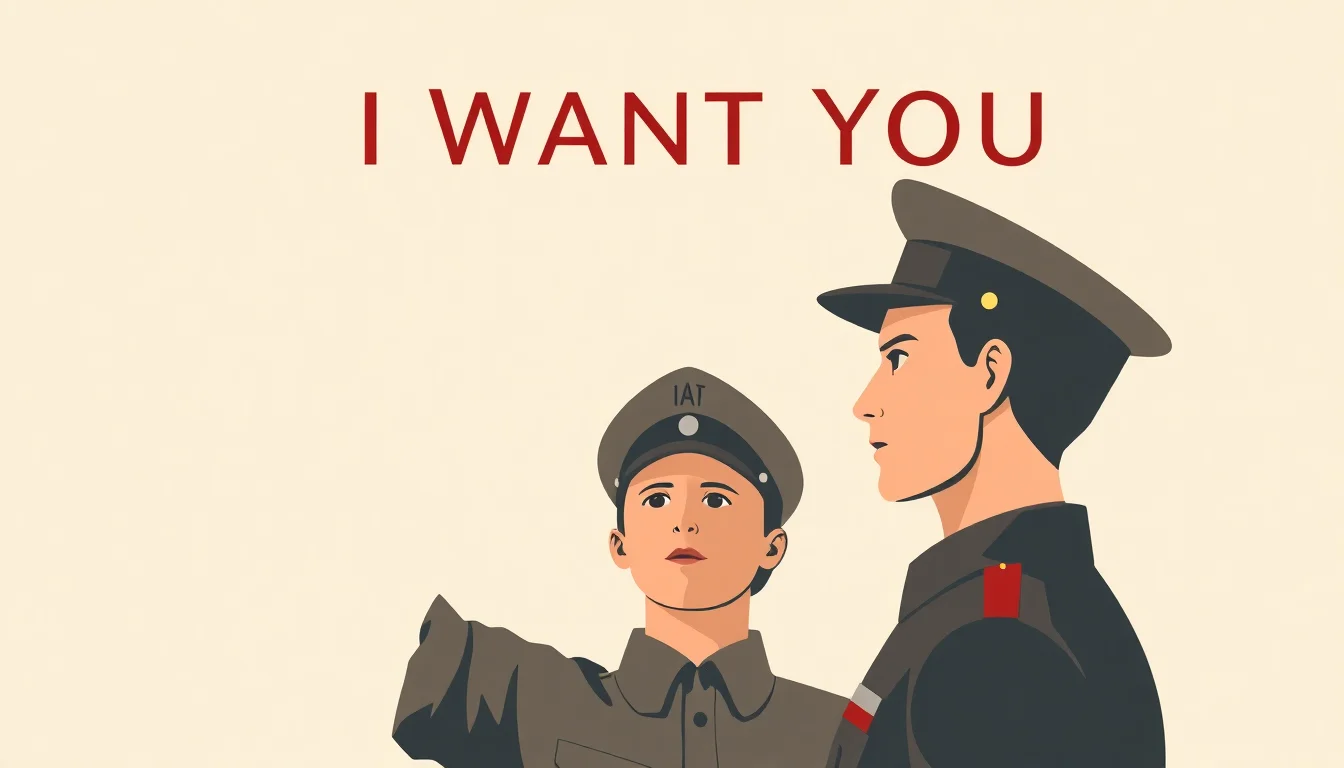
The "I Want You" poster, featuring Uncle Sam pointing directly at the viewer, is one of the most recognizable images in American history. Originally created by James Montgomery Flagg in 1917 for World War I recruitment, its stark, direct address and powerful imagery were later repurposed for World War II and have since become a ubiquitous symbol of American patriotism, authority, and even satire. Its effectiveness lies in its simple, confrontational design, which bypasses intellectualization and speaks directly to individual responsibility and national duty. The poster's enduring appeal is evident in its constant reinterpretation across various media and political contexts, demonstrating its potent cultural resonance.
🎯 What is "I Want You"?
"I Want You" is not a single entity but a potent cultural shorthand, most famously embodied by the iconic Uncle Sam recruitment poster from World War I. This image, featuring a stern, finger-pointing figure, became a ubiquitous symbol of American patriotism and the call to military service. Beyond this singular, dominant interpretation, the phrase itself can also refer to a broader sentiment of desire, possession, or urgent appeal, often found in art, literature, and popular culture.
📜 Historical Context & Origins
The genesis of the "I Want You" imagery is deeply rooted in the propaganda efforts of World War I. While the specific artist, James Montgomery Flagg, is credited with the 1917 design, the visual trope of a commanding figure pointing directly at the viewer has precedents in earlier political cartoons and military recruitment drives. Flagg himself famously claimed to have used his own face as a model for Uncle Sam, merging personal likeness with national symbolism to create an unforgettable call to action.
🖼️ Visual Analysis & Impact
The visual power of the "I Want You" poster lies in its directness and psychological manipulation. The stark composition, bold colors, and the unwavering gaze of Uncle Sam create an immediate and personal connection with the viewer. The extended index finger acts as an accusatory, yet also inviting, gesture, implying that the responsibility for national defense rests squarely on the individual's shoulders. This masterful use of visual rhetoric cemented its place in the history of propaganda.
📣 Propaganda Machine: How it Worked
As a propaganda tool, "I Want You" was a resounding success. Distributed widely through newspapers, magazines, and public displays, it effectively mobilized public opinion and encouraged enlistment during critical periods of conflict. The poster's message was simple, unambiguous, and emotionally resonant, tapping into a collective sense of duty and national pride. It became a cornerstone of the Committee on Public Information's efforts to rally support for the war.
🤔 Controversy & Critiques
Despite its widespread acceptance as a patriotic symbol, the "I Want You" poster has also faced scrutiny. Critics have pointed to its coercive nature, arguing that it plays on guilt and fear to compel individuals into service. Some interpretations also highlight the potential for such imagery to be used to justify aggressive foreign policy or to suppress dissent, raising questions about the ethics of its persuasive techniques. The controversy spectrum for this image is moderate, with strong arguments on both sides.
💡 Modern Reinterpretations & Memes
In the digital age, the "I Want You" image has been endlessly parodied and recontextualized. It has become a fertile ground for internet memes, often adapted to humorous or satirical purposes, applying Uncle Sam's gaze to everyday situations or pop culture references. This constant reinvention demonstrates the enduring power of the original image, even as its original intent is subverted or playfully acknowledged.
🌟 Vibe Score & Cultural Resonance
The Vibe Score for the "I Want You" poster, as a cultural artifact, hovers around 85/100. Its cultural resonance is undeniable, having permeated global consciousness as a symbol of recruitment and national appeal. The influence flows from this image are vast, impacting subsequent advertising and political messaging. Its ability to evoke strong emotions—patriotism, duty, and sometimes unease—speaks to its potent vibe score.
⚖️ Legacy & Enduring Influence
The legacy of "I Want You" extends far beyond its initial wartime purpose. It remains a potent symbol of American identity and the power of visual communication. The poster's enduring influence can be seen in countless subsequent recruitment campaigns and in its persistent presence in discussions about patriotism, propaganda, and the psychology of persuasion. Its adaptability ensures its continued relevance, prompting ongoing debates about its meaning and application.
Key Facts
- Year
- 1917
- Origin
- United States
- Category
- Art & Culture / History / Propaganda
- Type
- Artwork/Propaganda
Frequently Asked Questions
Who created the famous "I Want You" poster?
The iconic "I Want You for U.S. Army" poster featuring Uncle Sam was created by artist James Montgomery Flagg in 1917. Flagg famously claimed to have used his own likeness as the model for Uncle Sam, a figure that had evolved from earlier political cartoons and symbols of American personification.
What was the original purpose of the "I Want You" poster?
The primary purpose of the "I Want You" poster was to recruit soldiers for the United States Army during World War I. It was part of a massive propaganda campaign aimed at encouraging enlistment and fostering a sense of patriotic duty among American citizens.
Are there other famous "I Want You" images besides the Uncle Sam one?
While the Uncle Sam poster is by far the most famous, the phrase "I Want You" has been used in various contexts, including advertising and other forms of political messaging. However, when people refer to "I Want You" in a historical or cultural context, they almost invariably mean the James Montgomery Flagg design.
How did the "I Want You" poster influence later advertising?
The "I Want You" poster's direct, personal appeal and its use of a commanding figure pointing at the viewer became a highly effective template for advertising. This technique, known as direct address, has been widely adopted to create a sense of urgency and personal relevance in countless campaigns, from selling products to promoting social causes.
Is the "I Want You" poster still used today?
While the original World War I context is historical, the "I Want You" image and its underlying message of direct appeal are still referenced and parodied extensively. It appears in modern advertising, political satire, and internet memes, demonstrating its enduring cultural impact and adaptability.