
Contents
- 🌐 What Are Internet Forums?
- 📍 Where to Find Them
- 👥 Who Are They For?
- ⚙️ How Do They Actually Work?
- 📈 Vibe Scores & Community Health
- ⚖️ Moderation: The Gatekeepers of Discourse
- 💬 Forum vs. Social Media vs. Chat
- 💰 Pricing & Access Tiers
- ⭐ What People Say (Community Ratings)
- 💡 Tips for Navigating Forums
- 🚀 Getting Started
- 🔗 Related Vibepedia Entries
- Frequently Asked Questions
- Related Topics
Overview
Internet forums are foundational online spaces where individuals gather to discuss shared interests, from obscure hobbies to global politics. These platforms, characterized by threaded conversations and user-generated content, have evolved from early bulletin board systems (BBS) to sophisticated platforms like Reddit and Discord. They serve as crucial hubs for knowledge sharing, social connection, and the formation of subcultures, influencing everything from consumer trends to political movements. Understanding their structure, moderation, and the dynamics of their communities is key to navigating the digital public square.
🌐 What Are Internet Forums?
Internet forums, often called message boards or discussion boards, are digital town squares where users post messages, engage in threaded discussions, and archive conversations. Unlike ephemeral chat rooms, forum posts are typically more substantial, akin to letters or essays, and are stored for future reference. This archival nature allows for deep dives into specific topics and the tracing of evolving ideas over time. The concept itself echoes the public discourse spaces of Ancient Rome, adapted for the digital age, fostering communities around shared interests, from obscure hobbies to professional fields.
📍 Where to Find Them
You can find internet forums scattered across the vast expanse of the web, often hosted on dedicated websites or integrated into larger platforms. Major hubs like Reddit host millions of sub-forums (subreddits) covering virtually every conceivable topic. Niche communities might exist on standalone platforms such as vBulletin or phpBB powered sites, often found through targeted searches or community recommendations. Some professional organizations and academic institutions also maintain their own private or public forums for member interaction and knowledge sharing.
👥 Who Are They For?
Internet forums are for anyone seeking in-depth discussion and community around a specific interest. Whether you're a knitting enthusiast looking for advanced techniques, a programmer troubleshooting complex code, a fan dissecting the latest episode of a TV show, or a professional seeking industry insights, there's likely a forum for you. They appeal to those who value thoughtful, asynchronous communication and enjoy contributing to a collective knowledge base, moving beyond the fleeting nature of social media feeds.
⚙️ How Do They Actually Work?
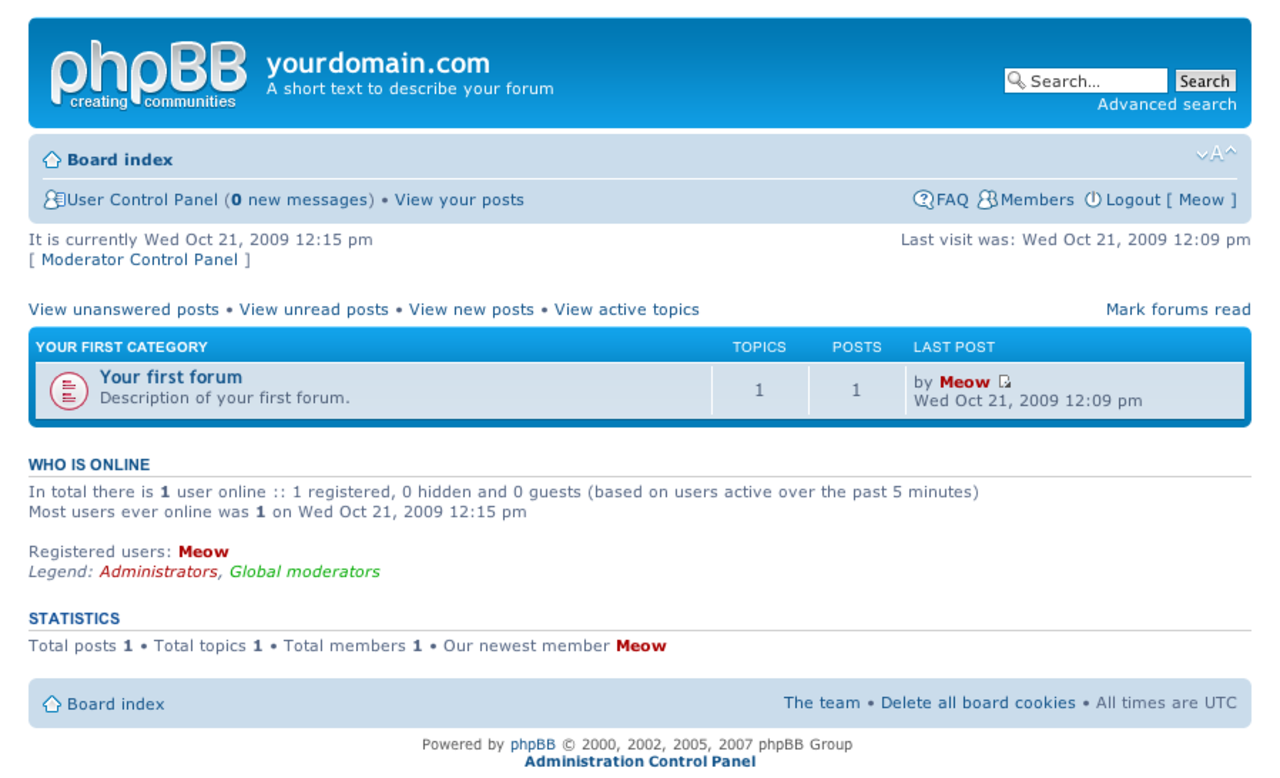
At their core, forums operate on a system of categories, sub-forums, and individual threads. Users create new threads (topics) within relevant sections, and other users reply to these threads, creating a conversation flow. Posts are typically displayed chronologically within a thread, though some forums allow sorting by popularity or user preference. Behind the scenes, forum software manages user accounts, permissions, post storage, and moderation tools, enabling structured and persistent dialogue.
📈 Vibe Scores & Community Health
The 'vibe' of a forum, measurable by our Vibe Score metric, is crucial. A high score indicates an active, engaged, and generally positive community. This is often a result of effective moderation, shared passion for the topic, and a welcoming atmosphere for newcomers. Conversely, low-vibe forums can suffer from inactivity, toxicity, or off-topic drift, diminishing their value as a resource and community space. Analyzing Influence Flows within a forum can reveal how key members shape its overall energy.
⚖️ Moderation: The Gatekeepers of Discourse
Moderation is the backbone of a healthy internet forum. Moderators, often volunteers or appointed community members, enforce rules, guide discussions, remove spam, and resolve disputes. Their effectiveness dictates the forum's atmosphere and adherence to its stated purpose. The level of moderation varies wildly, from completely open boards to those with strict pre-approval of posts, impacting the speed of discourse and the type of content that surfaces.
💰 Pricing & Access Tiers
Most public internet forums are free to access, operating on ad revenue, donations, or as part of a larger service. Some private or professional forums may require a membership fee or subscription, granting access to exclusive content or specialized communities. These paid tiers often offer enhanced features, ad-free browsing, or direct access to experts, providing a premium experience for dedicated users.
⭐ What People Say (Community Ratings)
Community ratings for forums are often found on review sites or within related subcultures. A well-regarded forum might boast a Vibe Score of 80+, signifying active moderation, high user engagement, and a generally positive atmosphere. Negative reviews often cite issues like rampant spam, poor moderation, or a decline in the quality of discussion. Users frequently praise forums that foster genuine connection and provide valuable, reliable information.
🚀 Getting Started
To get started, identify your area of interest and search for relevant forums. Use search engines with terms like "[your interest] forum" or "message board [your hobby]". Once you find a promising community, register an account, read the rules carefully, and begin participating by replying to existing threads. Don't be afraid to introduce yourself in a designated section if the forum has one. Your journey into specialized online communities begins with a single click.
Key Facts
- Year
- 1978
- Origin
- Early Bulletin Board Systems (BBS)
- Category
- Online Communities
- Type
- Topic
Frequently Asked Questions
Are internet forums still relevant in the age of social media?
Absolutely. While social media excels at rapid-fire updates and broad social connection, forums provide depth, structure, and long-term knowledge archiving that social platforms often lack. They cater to users seeking detailed discussions and dedicated communities around specific niches, offering a different, often more focused, user experience.
How do I find a forum for a very niche interest?
Start with broad searches on major platforms like Reddit, then refine your search terms. Look for dedicated websites using search engines with phrases like "[niche interest] discussion board" or "[niche interest] message forum." Often, communities will link to each other, so exploring related topics can lead you to hidden gems.
What's the difference between a forum and a subreddit?
A subreddit is essentially a forum hosted on the Reddit platform. While the core function of discussion and archiving is similar, subreddits benefit from Reddit's massive user base and integrated features, whereas traditional forums are standalone websites often running on specific forum software like phpBB or vBulletin.
How do I become a good forum member?
Be respectful, read the rules, and search before posting. Contribute thoughtfully to discussions, avoid spam or off-topic content, and engage constructively with other members. Building a positive reputation takes time and consistent, valuable participation.
Can I create my own internet forum?
Yes, you can. Various forum software options are available, ranging from free, open-source solutions like phpBB to paid, hosted services. Setting up a forum involves choosing software, securing hosting, configuring settings, and actively moderating to build and maintain a community.