
Contents
Overview
The genesis of the Internet Protocol camera can be traced back to the mid-1990s, a period ripe with the burgeoning potential of the internet. Prior to this innovation, video monitoring relied heavily on analog CCTV systems, which were cumbersome, expensive to scale, and limited by their physical cabling infrastructure. The advent of the IP camera, however, allowed video streams to be transmitted digitally over standard Ethernet networks, mirroring the data transmission methods of computers and other networked devices. This technological leap was a direct consequence of the increasing ubiquity of IP networking and the growing demand for more accessible and flexible remote monitoring solutions, effectively democratizing video surveillance beyond the confines of specialized security installations.
⚙️ How It Works
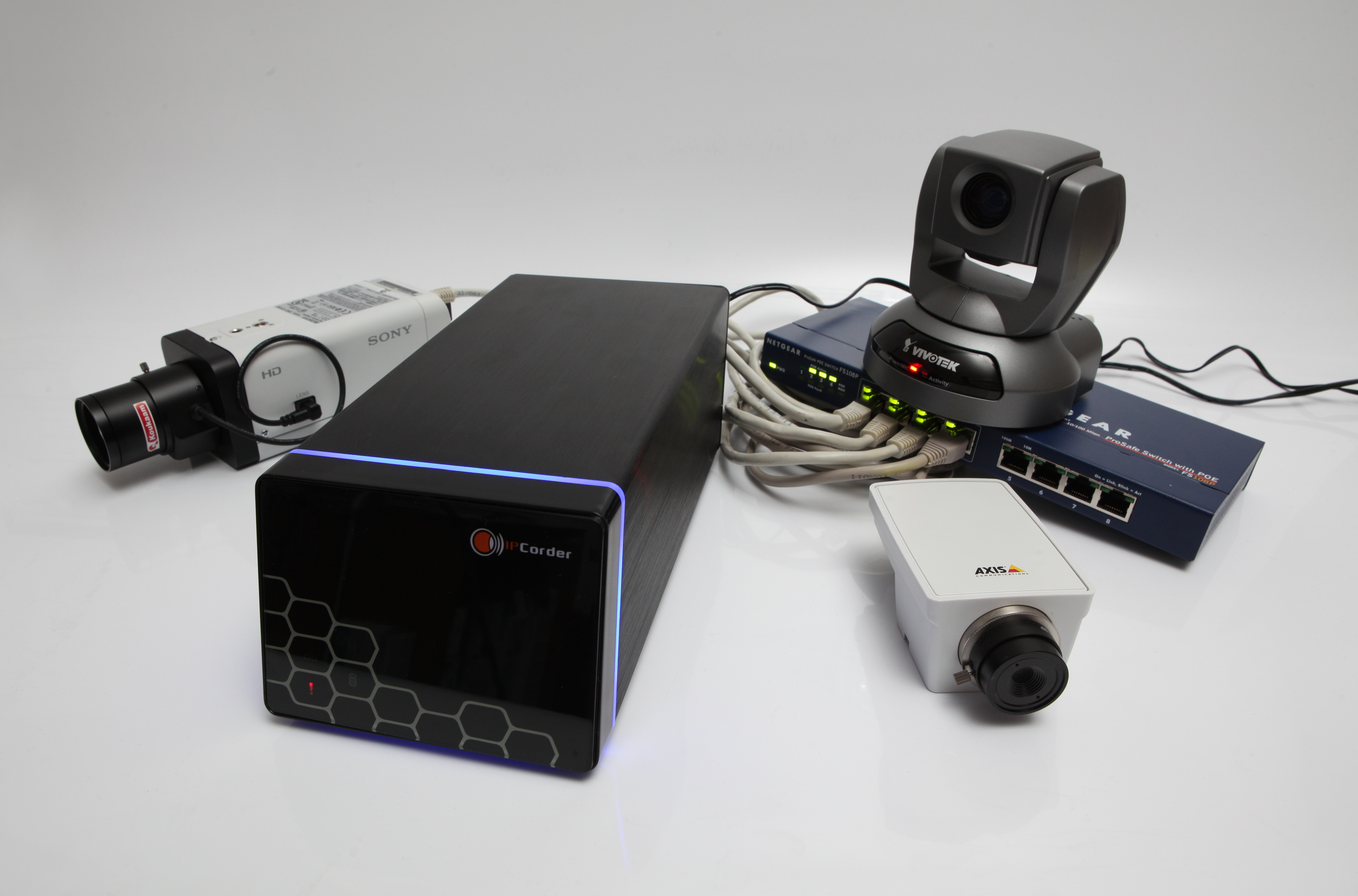
At its core, an IP camera functions by digitizing video footage and then encapsulating it into data packets that can be transmitted across a network using the Internet Protocol. Unlike analog cameras that output a continuous video signal, IP cameras process video internally, often compressing it using codecs like H.264 or H.265 to reduce bandwidth requirements. These packets are then sent to a destination, which could be a Network Video Recorder (NVR), a server, a cloud storage service, or even directly to a user's computer or mobile device via a web browser or dedicated application. Many IP cameras also support protocols like RTSP for streaming and ONVIF for interoperability between different manufacturers' devices, ensuring a degree of standardization in a historically fragmented market.
📊 Key Facts & Numbers
The global IP camera market is a colossal enterprise. Bullet cameras account for the largest share of the IP camera market, followed by dome and PTZ (pan-tilt-zoom) cameras. Cameras with 1080p (Full HD) remain dominant, though 4K and higher resolutions are rapidly gaining traction, offering unparalleled detail. Residential use is also seeing substantial expansion, driven by smart home integration and DIY security solutions.
👥 Key People & Organizations
Several key figures and organizations have shaped the trajectory of IP camera technology. Axis Communications is a foundational entity. Hikvision and Dahua Technology have emerged as dominant global players, particularly in the surveillance sector, commanding significant market share through extensive product portfolios and aggressive expansion strategies. The ONVIF (Open Network Video Interface Forum) is a critical industry consortium that has been instrumental in developing and promoting a global standard for IP-based physical security products, ensuring interoperability between devices from different vendors. Companies like Google (with Nest Cam) and Amazon (with Ring) have also significantly impacted the consumer-facing IP camera market through their smart home ecosystems.
🌍 Cultural Impact & Influence
The proliferation of IP cameras has had a profound and multifaceted impact on society. In terms of security, they have become indispensable tools for crime prevention, investigation, and public safety, with millions of IP cameras deployed in urban centers globally. Beyond surveillance, IP cameras have enabled new forms of remote work and collaboration, allowing businesses to monitor operations, manage assets, and ensure employee safety from afar. The consumer market has seen IP cameras integrated into smart home systems, offering peace of mind for homeowners and enabling features like remote pet monitoring and package delivery verification. However, this widespread deployment has also raised significant concerns about privacy, data security, and the potential for misuse, sparking ongoing debates about surveillance ethics and regulatory frameworks.
⚡ Current State & Latest Developments
The IP camera landscape in 2024-2025 is characterized by rapid advancements in artificial intelligence (AI) and edge computing. The integration of 5G technology is also beginning to enable higher-resolution streaming and more robust mobile connectivity for remote deployments. Furthermore, cybersecurity remains a paramount concern, with manufacturers investing heavily in encryption, secure boot processes, and regular firmware updates to combat the growing threat of hacking and unauthorized access. The push towards higher resolutions, such as 8K and beyond, continues, promising even greater detail for critical applications.
🤔 Controversies & Debates
The pervasive nature of IP cameras has ignited considerable controversy, primarily centered around privacy concerns. Critics argue that the sheer number of cameras in public and private spaces creates a 'surveillance society' where individuals' movements and activities are constantly monitored, potentially chilling free speech and association. The security of these devices is another major point of contention; vulnerabilities have been exposed, allowing unauthorized access to live feeds and sensitive data. Debates also rage over the ethical implications of AI-powered analytics, particularly facial recognition technology, and its potential for bias and discriminatory application. The regulatory landscape is struggling to keep pace, with varying laws across jurisdictions regarding data retention, consent, and the permissible uses of surveillance footage, creating a complex legal and ethical minefield.
🔮 Future Outlook & Predictions
The future of IP cameras is inextricably linked to advancements in AI, edge computing, and IoT integration. We can anticipate cameras becoming even more intelligent, capable of not just detecting events but also predicting them and automating responses. The development of more energy-efficient designs will likely lead to wider adoption of battery-powered and solar-powered cameras, further expanding deployment possibilities. Furthermore, the convergence of IP cameras with other IoT devices will create more sophisticated smart environments, where cameras can trigger actions in lighting, access control, or environmental monitoring systems. The ongoing challenge will be to balance these technological capabilities with robust privacy protections and ethical considerations, ensuring that these powerful tools serve societal benefit without eroding fundamental rights.
💡 Practical Applications
IP cameras have found an astonishing array of practical applications across diverse sectors. In public safety, they are crucial for monitoring traffic, securing public spaces, and aiding law enforcement investigations. Businesses utilize them for loss prevention, employee monitoring, operational efficiency, and remote site management. The retail sector employs them for customer flow analysis, inventory management, and shrinkage reduction. In residential settings, they serve as home security systems, baby monitors, and tools for checking on pets. Industrial applications include monitoring hazardous environments, ensuring quality control on production lines, and supervising remote infrastructure. Even in scientific research, specialized IP cameras are used for wildlife monitoring, environmental sensing, and long-term observational studies.
Key Facts
- Category
- technology
- Type
- topic