
Contents
Overview
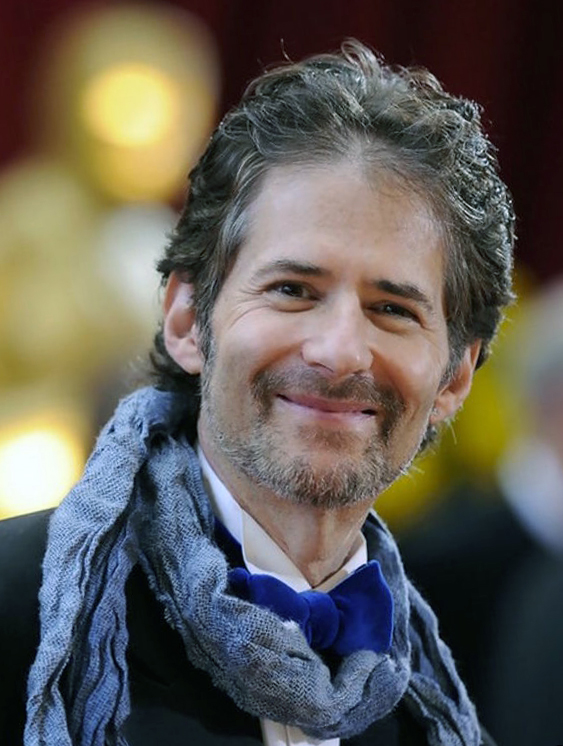
James Horner (August 14, 1953 – June 22, 2015) was a towering figure in film scoring, an American composer and conductor whose distinctive blend of orchestral grandeur, electronic textures, and evocative Celtic melodies defined the sound of countless cinematic masterpieces. Over a career spanning nearly four decades, Horner crafted scores for over 160 film and television productions, earning 10 Academy Award nominations and two wins. His work on James Cameron's Titanic (1997) yielded not only two Oscars but also the best-selling orchestral film soundtrack of all time, a testament to his profound ability to connect with audiences on an emotional level. Horner's scores for films like Avatar (2009), Braveheart (1995), and Apollo 13 (1995) cemented his reputation as a composer capable of immense emotional range and epic scale, making him one of the most influential and sought-after artists in the history of film music.
🎵 Origins & History
Born James Roy Horner in Los Angeles, California, on August 14, 1953, his musical journey began with classical piano training. He later studied at the USC Thornton School of Music and the Royal College of Music in London, absorbing diverse musical influences. His early career saw him experimenting with jazz and rock fusion, notably with the jazz-fusion band Spirit, before pivoting towards film scoring. A pivotal period was his time at the American Film Institute (AFI) in the late 1970s, where he honed his craft under the mentorship of composers like Elmer Bernstein. This foundational period, marked by rigorous academic study and early experimental work, set the stage for his eventual dominance in Hollywood, beginning with his first feature score for Roger Corman's Battle Beyond the Stars in 1980.
⚙️ How It Works
Horner's compositional technique was characterized by a sophisticated layering of orchestral forces with innovative electronic instrumentation and often, a prominent use of choral arrangements. He frequently incorporated world music elements, most notably Celtic folk melodies, which became a signature of his sound, evoking a sense of ancient history or profound emotional depth. His approach involved developing strong, memorable melodic motifs for characters or themes, which he would then weave and develop throughout a score, creating a cohesive narrative through music. This method was particularly effective in films requiring a strong emotional arc, such as The Legend of Zelda: Ocarina of Time (though he did not score this game, his style influenced its composers) or The Last of the Mohicans (1992), where the Celtic influence is palpable. He was also a master of suspense and action scoring, as demonstrated in Aliens (1986) and The Rocketeer (1991).
📊 Key Facts & Numbers
James Horner's prolific output resulted in scores for over 160 film and television productions between 1978 and his passing in 2015. His score for Titanic (1997) sold over 30 million copies worldwide, making it the best-selling orchestral film soundtrack ever. He received 10 Academy Award nominations for his film scores, winning twice for Titanic in 1998 (Best Original Dramatic Score and Best Original Song for "My Heart Will Go On"). Avatar (2009), another collaboration with James Cameron, became the highest-grossing film of all time, with a score that further showcased Horner's ability to create immersive sonic worlds. His nominations spanned genres, from the sci-fi tension of Aliens (1986) to the historical drama of Braveheart (1995) and the poignant realism of A Beautiful Mind (2001).
👥 Key People & Organizations
Beyond his immediate collaborators like James Cameron and Ron Howard, Horner worked with a vast array of directors, including Steven Spielberg on The Land Before Time (1988) and Richard McCallum on The Apaches (1995). His father, Harry Horner, was a noted production designer, providing an early exposure to the world of filmmaking. Horner's wife, Sara, and their two daughters, Emily and Becky, were central to his personal life. He also maintained a close working relationship with vocalists like Sinéad O'Connor and Leona Lewis, who lent their distinctive voices to his compositions. His education at prestigious institutions like the Royal College of Music and the American Film Institute connected him with a network of influential figures in the arts and entertainment industries.
🌍 Cultural Impact & Influence
Horner's influence on film music is undeniable, shaping the soundscape of blockbuster cinema for decades. His integration of Celtic music into mainstream Hollywood scores, particularly evident in films like Braveheart (1995) and The Last of the Mohicans (1992), created a distinct emotional resonance that inspired countless subsequent composers. The phenomenal success of the Titanic soundtrack demonstrated the commercial power of a film score to transcend the movie itself, becoming a cultural phenomenon. His work on Avatar (2009) further pushed the boundaries of sonic immersion in film, blending orchestral and electronic elements to create a truly alien yet emotionally familiar world. Horner's ability to craft memorable, sweeping melodies that amplified the emotional core of a film made him a go-to composer for directors seeking to create epic, unforgettable cinematic experiences.
⚡ Current State & Latest Developments
James Horner's legacy continues to resonate in contemporary film scoring, with his distinctive stylistic elements frequently appearing in new compositions. While he is no longer actively composing following his tragic death on June 22, 2015, his extensive catalog remains a vital resource for filmmakers and a source of inspiration for aspiring composers. His scores are regularly performed by orchestras worldwide, and his music continues to be celebrated in retrospectives and film music festivals. The ongoing popularity of his soundtracks, particularly Titanic and Avatar, ensures his music remains accessible to new generations of filmgoers and music enthusiasts.
🤔 Controversies & Debates
One of the primary debates surrounding Horner's work centers on the perceived homogeneity of his style, with some critics arguing that his signature Celtic-influenced sound became overly familiar across his vast filmography. While undeniably effective, this stylistic consistency led to accusations of formulaic composition from a minority of detractors. Conversely, his supporters champion this very consistency as a sign of his unique artistic voice and his ability to consistently deliver emotionally resonant scores that perfectly complemented the films they accompanied. The sheer volume of his output also fueled discussions about creative process and the pressures of Hollywood's demand for prolific composers, though Horner himself rarely engaged publicly with such critiques, preferring to let his music speak for itself.
🔮 Future Outlook & Predictions
The future of James Horner's musical influence lies in how contemporary composers interpret and build upon his foundational techniques. As AI-driven music generation tools become more sophisticated, the human element of emotional storytelling through melody and orchestration, which Horner mastered, may become even more valued. His scores for Avatar and Titanic continue to set benchmarks for epic, emotionally resonant film music, suggesting that the demand for such grand sonic narratives will persist. Future film scores might see a resurgence of his melodic approach, perhaps blended with new technological innovations, ensuring his sound continues to evolve and inspire across different eras of filmmaking.
💡 Practical Applications
Horner's scores are integral to the success of the films they underscore, serving as more than just background music. They are narrative tools that guide audience emotion, establish atmosphere, and define characters. His work on Aliens (1986) masterfully builds tension and dread, while the soaring themes in Braveheart (1995) evoke a powerful sense of historical sweep and patriotic fervor. The practical application of his music extends beyond film, with his compositions frequently performed in concert halls by symphony orchestras, demonstrating their enduring artistic merit. The Titanic soundtrack's commercial success also highlighted the potential for film scores to become standalone popular music entities, influencing how soundtracks are marketed and consumed.
Key Facts
- Category
- culture
- Type
- topic