
Contents
Overview
The roots of Korean barbecue trace back to ancient nomadic cultures that cooked meat over open fires. The widespread adoption of tabletop grilling, however, is more recent, gaining significant traction in the mid-20th century, especially after the Korean War. The influx of American military presence introduced new cuts of beef and grilling styles, which Korean chefs adeptly integrated. Restaurants specializing in gogi-gui proliferated in cities like Seoul, establishing the communal dining format that defines the experience today.
⚙️ How It Works
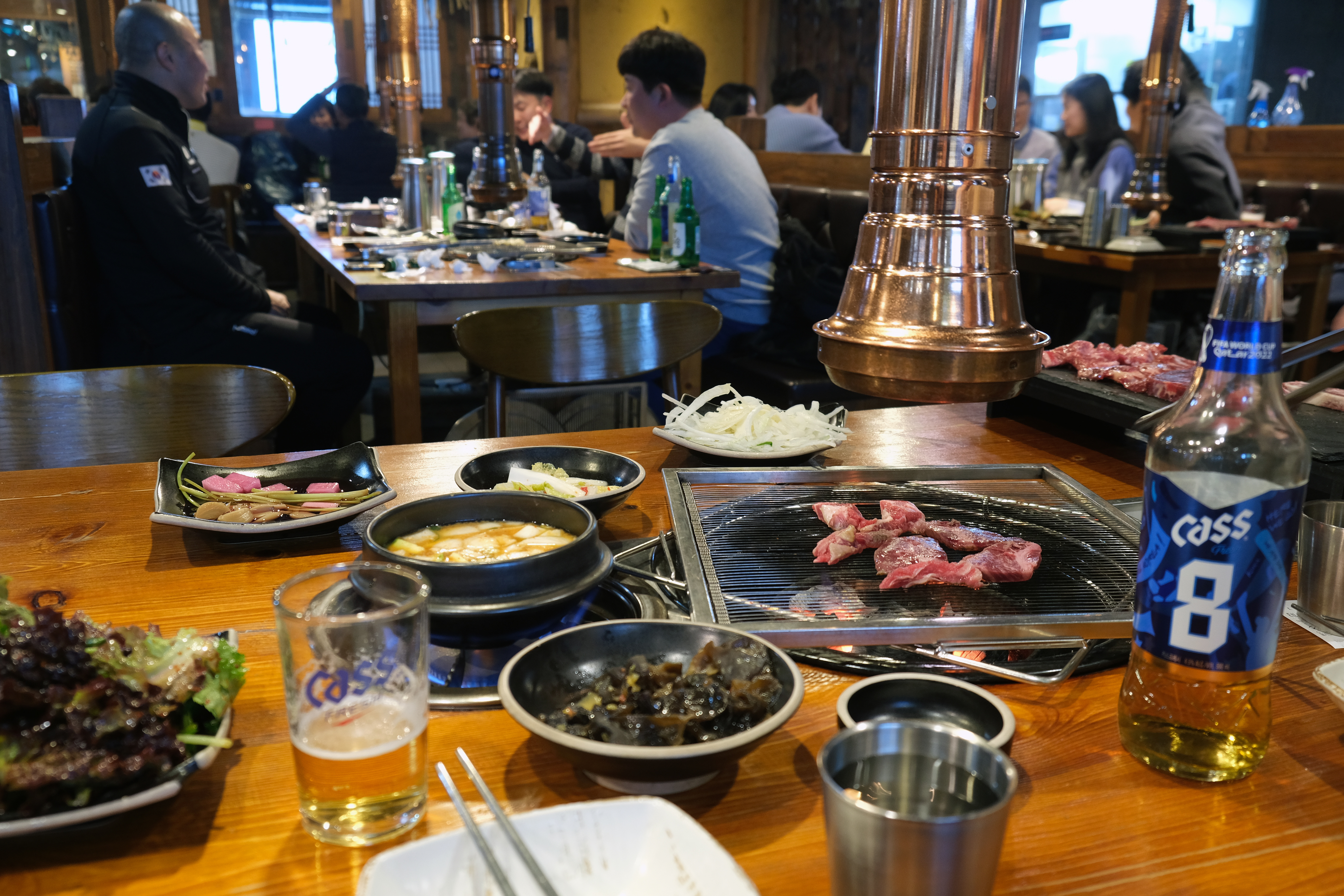
Korean barbecue is fundamentally an interactive culinary process. Diners typically sit around a table equipped with a built-in grill—either gas, charcoal, or electric. Meats, often thinly sliced and marinated in sauces featuring gochujang, soy sauce, garlic, and sesame oil, are brought to the table raw. Diners then grill the meat themselves, using tongs and scissors to manage the cooking process. Accompanying the grilled meat are numerous 'banchan' (반찬), small side dishes that can include kimchi, pickled vegetables, salads, and steamed egg. These banchan, along with rice and ssamjang (a dipping paste), are used to create 'ssam' (쌈), or wraps, by encasing the grilled meat and accompaniments in lettuce or perilla leaves. Some establishments also offer pre-grilled options prepared by chefs at a central station.
📊 Key Facts & Numbers
Globally, the Korean barbecue market is substantial. The average cost for a Korean barbecue meal per person can range from $25 to $50 USD, depending on the restaurant's tier and the cuts of meat offered. A typical Korean barbecue meal can involve consuming anywhere from 8 to 12 ounces of meat per person.
👥 Key People & Organizations
While no single individual is credited with inventing Korean barbecue, its popularization is linked to numerous restaurateurs and chefs who refined the dining experience.
🌍 Cultural Impact & Influence
The visual appeal of sizzling meats and vibrant banchan has made it a popular subject on social media platforms like Instagram and TikTok, contributing to its widespread appeal among younger demographics. Beyond dining, Korean barbecue has influenced fusion cuisines worldwide, inspiring chefs to incorporate Korean flavors and grilling techniques into their own dishes. The success of Korean barbecue restaurants abroad has also spurred economic activity, creating jobs and supporting local economies in diverse regions.
⚡ Current State & Latest Developments
The Korean barbecue scene is currently experiencing robust growth, with an increasing number of specialized restaurants opening in non-traditional markets. Trends include the rise of premium cuts like grade 9 Korean beef and the incorporation of more diverse regional Korean specialties. There's also a growing emphasis on sustainability and ethical sourcing of meats, with some establishments highlighting their commitment to responsible practices. The integration of technology, such as AI-powered ordering systems and advanced ventilation to manage smoke, is also becoming more common in high-end establishments. Furthermore, the demand for at-home Korean barbecue kits and pre-marinated meats has surged, driven by convenience and the desire to replicate the restaurant experience.
🤔 Controversies & Debates
One of the primary controversies surrounding Korean barbecue relates to health concerns, particularly regarding the high sodium content in marinades and the potential carcinogens formed during high-temperature grilling. Debates also arise over authenticity, with some purists arguing that certain Westernized adaptations dilute the traditional experience. The sourcing of meat, especially beef, can also be contentious, with discussions around quality, price, and ethical farming practices. The labor practices within some busy Korean barbecue restaurants, particularly those relying on immigrant labor, have faced scrutiny regarding wages and working conditions, though this is a broader issue within the restaurant industry.
🔮 Future Outlook & Predictions
The future of Korean barbecue appears bright, with continued global expansion anticipated. We can expect to see further innovation in grilling technology, perhaps leading to even more efficient and cleaner cooking methods. The trend towards plant-based alternatives is also likely to influence the market, with restaurants exploring creative ways to offer vegan or vegetarian Korean barbecue experiences. As the Korean Wave continues to crest, Korean barbecue will likely remain a central pillar, potentially evolving into more niche or specialized formats, such as regional Korean barbecue styles or fusion concepts that push creative boundaries. The focus on communal dining is expected to remain a core element, adapting to new social dynamics and technological integrations.
💡 Practical Applications
Korean barbecue's practical applications extend beyond mere sustenance. It serves as a powerful tool for cultural exchange, allowing individuals from diverse backgrounds to engage with Korean traditions. In the business world, Korean barbecue restaurants are often used for informal networking and team-building events due to their convivial atmosphere. The culinary techniques involved, such as marinating and grilling, are transferable skills that home cooks can adopt. Furthermore, the business model of Korean barbecue restaurants, with its emphasis on interactive dining and a wide array of side dishes, offers valuable case studies for entrepreneurs in the hospitality sector looking to create unique customer experiences. The popularity of Korean barbecue has also spurred the development of specialized kitchen equipment and ingredients for home use.
Key Facts
- Category
- culture
- Type
- phenomenon