
Contents
- 🎵 Origins & Pre-Columbian Civilizations
- ⚙️ The Colonial Crucible
- 📊 Independence and Nation-Building
- 👥 Key Figures and Movements
- 🌍 Cultural Synthesis and Resistance
- ⚡ 20th and 21st Century Transformations
- 🤔 Enduring Debates and Controversies
- 🔮 Future Trajectories
- 💡 Global Significance
- 📚 Further Exploration
- References
Overview
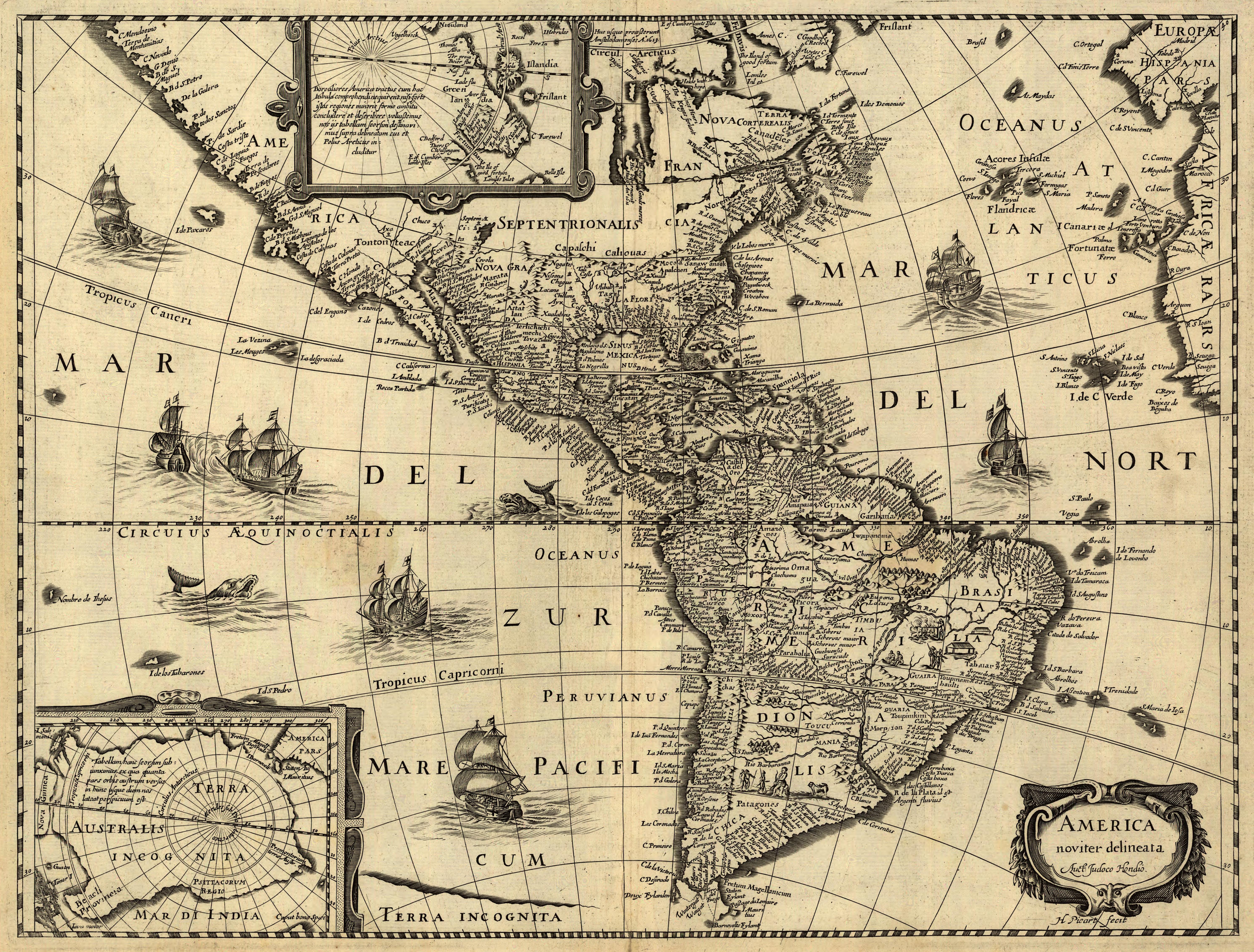
Latin American history is a sprawling, multi-millennial narrative encompassing the rise and fall of sophisticated indigenous civilizations, the brutal imposition of European colonial rule, and the complex, often violent, emergence of independent nations grappling with legacies of exploitation and inequality. This vast region, stretching from Mexico to the southern tip of South America, was home to empires like the Aztec and Inca before the arrival of Christopher Columbus in 1492 and the subsequent Spanish and Portuguese conquests. These colonial powers extracted immense wealth, reshaped demographics through disease and the transatlantic slave trade, and imposed Iberian languages and Roman Catholicism. The 19th century witnessed widespread independence movements led by figures like Simón Bolívar and José de San Martín, but the post-colonial era has been marked by political instability, economic dependency, and persistent social stratification, all while fostering unique cultural expressions that continue to resonate globally.
🎵 Origins & Pre-Columbian Civilizations
Long before European ships breached the horizon, the lands now known as Latin America pulsed with diverse human societies. From the monumental architecture of the Olmec in Mesoamerica, considered the 'mother culture' of the region, to the sophisticated astronomical calendars of the Maya, and the vast, centralized empire of the Inca spanning the Andes, indigenous peoples developed complex political systems, intricate religious beliefs, and advanced agricultural techniques. The Aztec capital of Tenochtitlan, a marvel of urban planning on Lake Texcoco, stood as a testament to their organizational prowess. These civilizations, each with unique languages, social structures, and technological innovations, represented thousands of years of independent development, laying the groundwork for the region's rich cultural tapestry.
⚙️ The Colonial Crucible
The arrival of Christopher Columbus in 1492, under the sponsorship of the Catholic Monarchs of Spain, irrevocably altered the course of Latin American history. The subsequent centuries saw the establishment of vast colonial empires by Spain and Portugal, driven by the relentless pursuit of gold, silver, and land. This era, often termed the Colonial Era, was characterized by the brutal exploitation of indigenous labor through systems like the encomienda and mita, leading to catastrophic population declines due to introduced diseases like smallpox and influenza, coupled with forced labor and violence. Millions of Africans were forcibly transported across the Atlantic to labor on plantations and in mines, creating a complex racial hierarchy and infusing the region with new cultural elements. The Catholic Church, through figures like Bartolomé de las Casas, played a dual role, both as an instrument of colonial control and, at times, as a voice for the oppressed.
📊 Independence and Nation-Building
The early 19th century ignited a firestorm of independence movements across Latin America, fueled by Enlightenment ideals, resentment against Iberian mercantilism, and the Napoleonic Wars' disruption of European power. Led by charismatic military and political figures such as Simón Bolívar, who envisioned a unified Gran Colombia, and José de San Martín, who liberated Argentina, Chile, and Peru, these wars of independence spanned over two decades. However, the dream of unified nations quickly fractured into numerous independent states, often plagued by internal conflicts, caudillismo (rule by strongmen), and economic instability. The legacy of colonial exploitation and the artificial borders drawn by European powers continued to shape the region's development, leading to persistent challenges in establishing stable democratic governance and equitable economic systems.
👥 Key Figures and Movements
The tapestry of Latin American history is woven with the threads of countless influential figures and transformative movements. Beyond the iconic liberators like Simón Bolívar, countless others shaped the region. Intellectuals like José Martí articulated visions of pan-Latin Americanism and anti-imperialism, while labor leaders and revolutionary figures like Che Guevara and Salvador Allende became symbols of resistance against perceived foreign domination and internal oppression. Indigenous rights movements, feminist activism, and the vibrant artistic expressions of the Muralism movement in Mexico also represent crucial threads in this complex historical narrative.
🌍 Cultural Synthesis and Resistance
Latin America is a vibrant crucible where indigenous, European, African, and later Asian influences fused to create unique cultural expressions. This syncretism is evident in everything from the syncretic religious practices blending Catholicism with indigenous or African deities (like Santería in Cuba or Candomblé in Brazil) to the explosion of musical genres like salsa, tango, bossa nova, and cumbia. Literature has also been a powerful vehicle for exploring Latin American identity, with the Latin American Boom of the mid-20th century producing globally acclaimed authors such as Gabriel García Márquez, Mario Vargas Llosa, and Isabel Allende. These cultural outputs often served as forms of resistance against colonial legacies and authoritarian regimes, articulating a distinct regional identity on the world stage.
⚡ 20th and 21st Century Transformations
The 20th and 21st centuries have seen Latin America navigate a tumultuous path of political upheaval, economic shifts, and evolving social dynamics. The mid-20th century was marked by the rise of populist leaders, Cold War proxy conflicts, and numerous military dictatorships supported by external powers, particularly the United States, in countries like Chile (under Augusto Pinochet) and Argentina. The late 20th century brought a wave of democratization, though often fragile, accompanied by neoliberal economic reforms that had mixed results. The 21st century has witnessed the rise of left-leaning governments in many nations, alongside persistent challenges of corruption, inequality, and the influence of transnational organized crime, particularly in relation to the drug trade. The region continues to grapple with its colonial past while adapting to globalization and technological advancements.
🤔 Enduring Debates and Controversies
The history of Latin America is rife with enduring debates and controversies that continue to shape contemporary understanding. Central among these is the ongoing discussion about the true nature and impact of colonialism—was it solely an era of oppression, or did it also bring elements of 'civilization' and 'progress,' a notion fiercely contested by post-colonial scholars. The role of external powers, particularly the United States, in shaping Latin American political and economic destinies through interventions and economic policies remains a highly contentious subject. Furthermore, the persistent issues of income inequality, racial discrimination against indigenous and Afro-descendant populations, and the effectiveness of various political and economic models (from socialism to neoliberalism) in addressing these challenges are subjects of continuous debate among historians, sociologists, and policymakers alike.
🔮 Future Trajectories
The future of Latin America is a complex mosaic of potential and peril. While many nations have achieved democratic stability, the specter of political polarization and economic vulnerability looms large. The region's vast natural resources, particularly in areas like the Amazon rainforest, present both opportunities for sustainable development and significant environmental challenges, especially in the face of climate change and global demand for commodities. The increasing influence of China as an economic partner, alongside traditional ties to the United States and Europe, suggests a shifting geopolitical landscape. Furthermore, the ongoing demographic shifts, including urbanization and migration patterns within and from the region, will continue to shape its social and political fabric, potentially leading to new forms of cultural expression and political mobilization.
💡 Global Significance
Latin American history is not merely a regional chronicle; it is a critical lens through which to understand global power dynamics, cultural exchange, and the enduring struggle for self-determination. The region's experience with colonialism, its role in the global economy as both a sour
Key Facts
- Category
- history
- Type
- topic