
Contents
Overview
While the term 'disability' is common, many prefer 'learning difference' to emphasize an alternative learning style rather than a deficit. Understanding these conditions is crucial for developing effective interventions and fostering inclusive environments that accommodate diverse learning needs.
🎵 Origins & History
The concept of learning disabilities emerged from observations of individuals who struggled academically despite appearing intelligent. Orton's work, particularly his studies on children with 'strephosymbolia' (a precursor to dyslexia), laid foundational groundwork.
⚙️ How It Works
Dyslexia often involves atypical patterns in the brain's left hemisphere, affecting phonological processing. Dyscalculia can be linked to differences in areas crucial for numerical cognition and spatial reasoning.
🌍 Cultural Impact & Influence
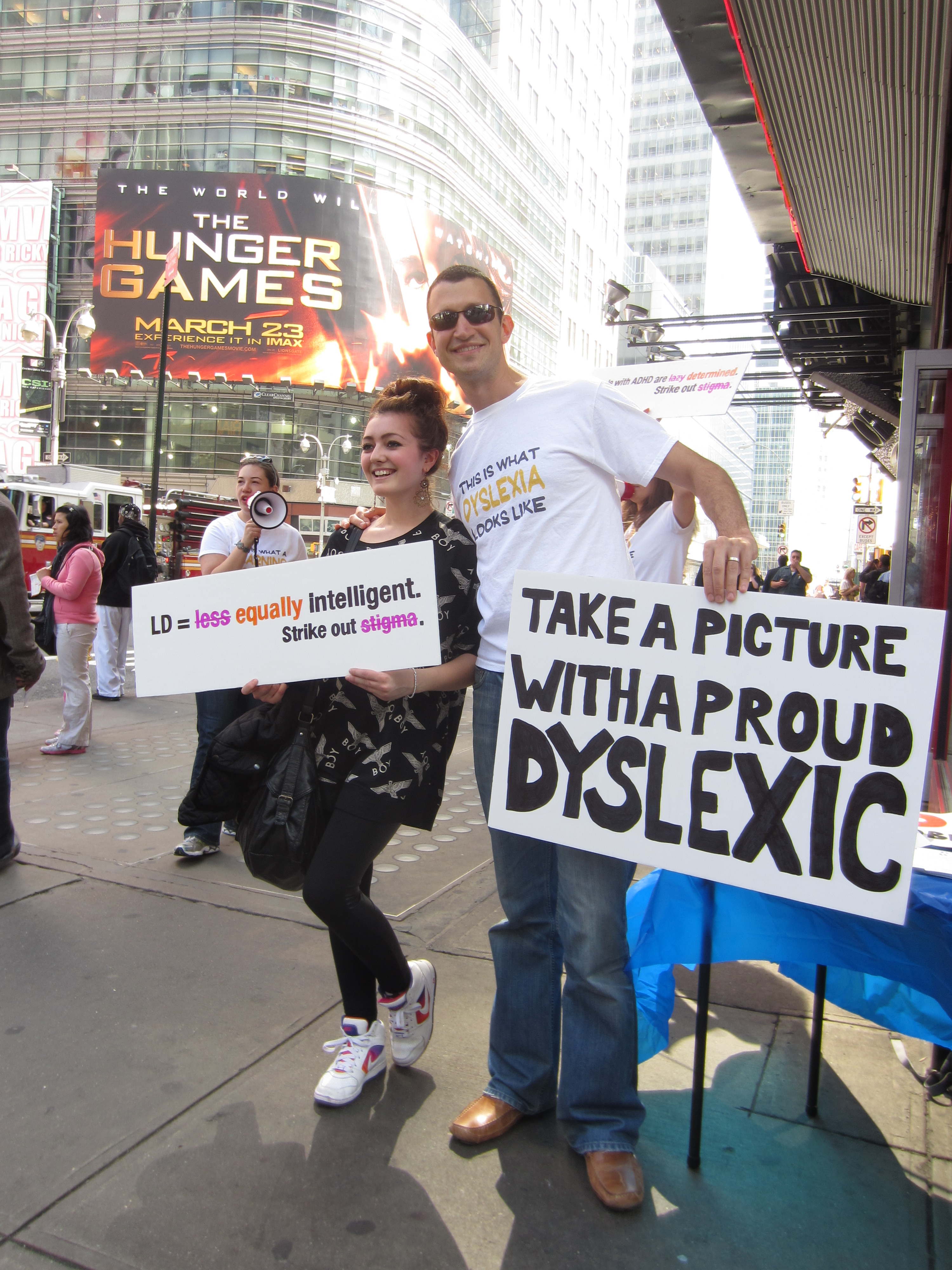
The rise of neurodiversity advocacy has reframed these conditions not as deficits but as variations in human cognition.
⚡ Current State & Latest Developments
The use of AI-powered diagnostic tools and personalized learning platforms is expanding. There's also a growing emphasis on understanding the interplay between learning disabilities and other neurodevelopmental conditions like ADHD and autism.
🤔 Controversies & Debates
A significant debate revolves around the terminology: 'learning disability' versus 'learning difference.' Another controversy concerns diagnostic criteria, with ongoing discussions about the accuracy and consistency of assessments. The debate over the role of genetics versus environmental factors in the etiology of learning disabilities also persists.
💡 Practical Applications
Practical applications of understanding learning disabilities are vast, primarily in education and workplace settings. In schools, this translates to Individualized Education Programs (IEPs) and 504 plans, providing accommodations like extended time for tests, alternative formats for assignments, and specialized instruction. Assistive technologies, such as text-to-speech software (e.g., Kurzweil 3000), speech recognition tools, and graphic organizers, are vital. In the workplace, accommodations might include modified work schedules, ergonomic equipment, or clear, concise written instructions. The principles of Universal Design for Learning (UDL) are increasingly applied to create accessible curricula and environments for everyone, not just those with diagnosed disabilities.
Key Facts
- Category
- science
- Type
- topic