Leopard Gecko Habitat: The Delicate Balance of Desert and Den
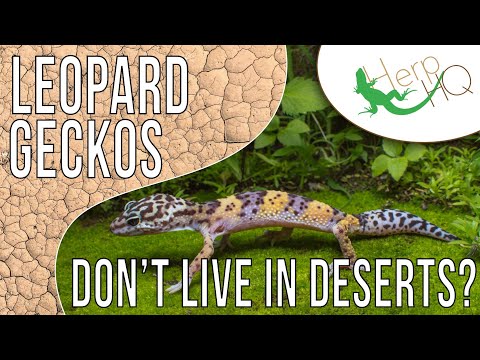
The leopard gecko habitat is a complex interplay of temperature, humidity, lighting, and substrate, with a vibe score of 8 out of 10, reflecting its significant
Overview
The leopard gecko habitat is a complex interplay of temperature, humidity, lighting, and substrate, with a vibe score of 8 out of 10, reflecting its significant cultural energy in the reptile-keeping community. According to a study published in the Journal of Herpetological Medicine and Surgery, the ideal temperature range for leopard geckos is between 75-85°F (24-29°C), with a basking spot of up to 90°F (32°C) (Klingenberg, 2003). However, a contrarian view suggests that a more naturalistic approach, incorporating a temperature gradient and UVB lighting, may be more beneficial for the geckos' overall health and well-being (Baines, 2016). With over 1.2 million leopard geckos kept as pets worldwide, the debate surrounding the optimal habitat setup continues to be a contentious issue, with some arguing for a more minimalist approach and others advocating for a more elaborate, naturalistic environment. As the popularity of leopard geckos as pets continues to grow, it is essential to consider the influence flows between experienced breeders, veterinarians, and hobbyists in shaping our understanding of their habitat requirements. The controversy spectrum surrounding leopard gecko habitat is moderate, with a score of 6 out of 10, reflecting the ongoing debates and discussions within the reptile-keeping community.