
Contents
Overview
Los Olivos, California, is an unincorporated community nestled in the heart of the Santa Ynez Valley, a region celebrated for its burgeoning wine industry and picturesque agricultural landscapes. While its name, Spanish for 'the olive trees,' evokes a pastoral ideal, Los Olivos has cultivated a sophisticated vibe, attracting tourists with its tasting rooms, art galleries, and boutique shops. Established in the late 19th century, it has evolved from a simple agricultural stop into a destination synonymous with Central Coast wine country. The community, officially a census-designated place, boasted a population of 1,202 at the 2020 census, maintaining a small-town feel despite its growing appeal. Its strategic location and commitment to preserving its rural character have cemented its status as a key player in California's wine tourism circuit.
🎵 Origins & History
The story of Los Olivos begins not with a grand vision, but with the practicalities of westward expansion and agricultural ambition. The town was strategically platted around the San Francisco and Santa Barbara Railroad line, aiming to serve the burgeoning agricultural interests of the Santa Ynez Valley. The name itself, 'Los Olivos,' directly references the abundant olive trees that characterized the landscape, a nod to its agricultural roots that would eventually give way to a different kind of cultivation: viticulture. The town's development was closely tied to the growth of the railroad, which facilitated the transport of goods and people, shaping its early trajectory.
⚙️ How It Works
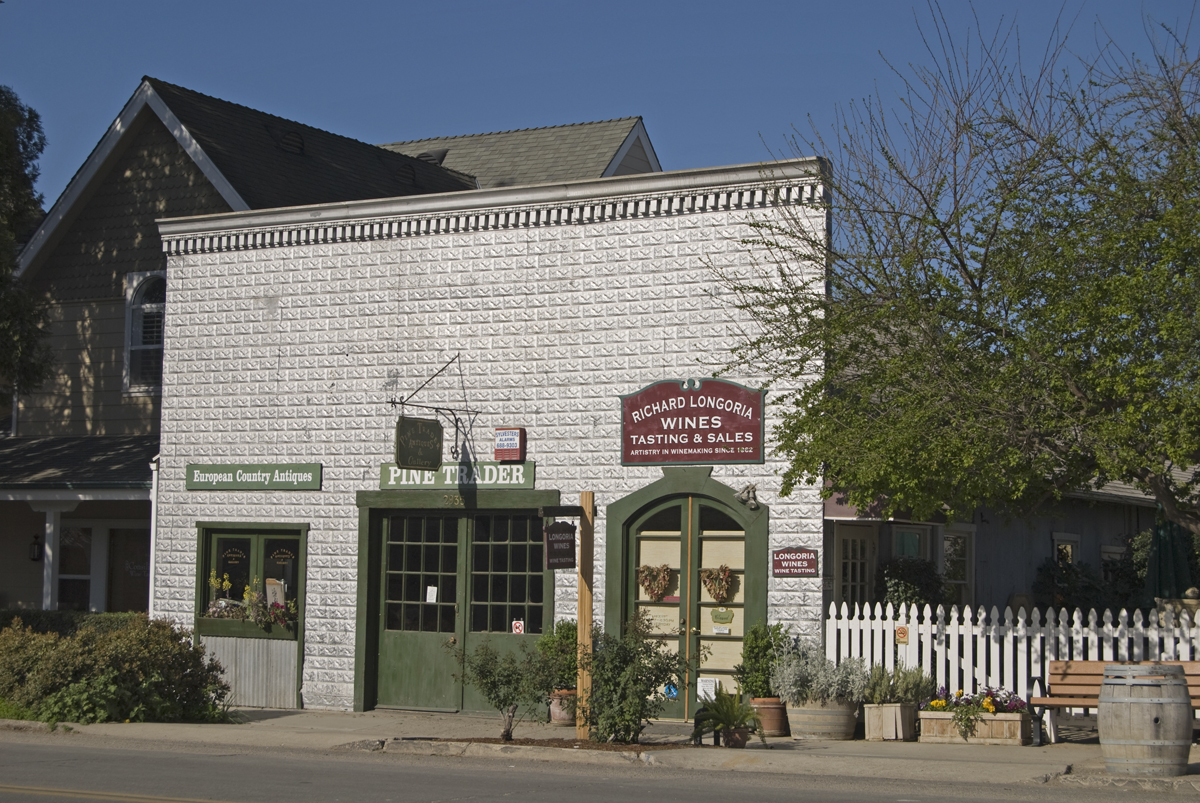
Los Olivos functions as a curated experience, primarily driven by its wine tasting rooms, art galleries, and boutique retail establishments. The town's layout is compact, centered around a few key blocks where visitors can easily walk between various tasting rooms representing numerous Santa Barbara County wineries. This concentration allows for an immersive wine-tasting journey without the need for extensive travel between vineyards, a model that has proven highly successful for attracting day-trippers and weekend visitors. Beyond wine, the area supports a vibrant arts scene, with galleries showcasing local and regional artists, and specialty shops offering unique crafts and goods. The community's infrastructure is geared towards tourism, with a focus on hospitality and creating an appealing aesthetic that blends rustic charm with sophisticated offerings. The Santa Ynez Valley's microclimates are crucial, enabling the cultivation of a diverse range of grape varietals that fuel the tasting rooms.
📊 Key Facts & Numbers
At the 2020 census, Los Olivos was home to 1,202 residents, a modest figure that belies its significant economic impact. The community is part of Santa Barbara County, a region where wine production is a major economic driver. Los Olivos itself maintains a high density of wine tasting rooms for its size, attracting visitors. The area is responsible for vineyards across the Santa Ynez Valley, producing grapes that support a significant number of jobs, both directly in farming and indirectly in hospitality and retail.
👥 Key People & Organizations
While no single individual dominates the narrative of Los Olivos, its development has been shaped by a confluence of figures and entities. Early pioneers laid the groundwork for its establishment. The Santa Barbara County Vintners Association plays a crucial role in promoting the region's wines and coordinating efforts among its members. Local real estate developers and boutique owners have also contributed significantly to the town's unique character and economic vitality, transforming its core into a walkable destination. The Santa Barbara County Board of Supervisors oversees land use and zoning, influencing the town's growth and preservation.
🌍 Cultural Impact & Influence
Los Olivos has carved out a distinct cultural niche as a premier wine tourism destination on California's Central Coast, influencing regional branding and visitor expectations. Its compact, walkable downtown, brimming with tasting rooms and galleries, has become a model for other small towns seeking to leverage their agricultural heritage for economic gain. The town's aesthetic, a blend of rustic Spanish colonial architecture and sophisticated contemporary design, has contributed to the overall 'vibe' of Santa Barbara County wine country, often featured in lifestyle magazines and travel blogs. The success of Los Olivos has also spurred interest in other varietals beyond the initial focus on olives, with Pinot Noir and Chardonnay becoming particularly prominent, influencing consumer perception of California wines. Its reputation has helped elevate the entire Santa Ynez Valley as a serious contender in the global wine market, drawing comparisons to regions like Napa Valley and Sonoma County.
⚡ Current State & Latest Developments
In 2024, Los Olivos continues to thrive as a hub for wine enthusiasts and cultural tourists. The town is actively navigating the challenges of increased visitor numbers while striving to maintain its small-town charm and agricultural roots. Recent developments include the opening of new tasting rooms and the expansion of existing vineyards, reflecting ongoing investment in the region's viticultural future. The Santa Barbara County Vintners Association is focused on promoting sustainable farming practices and educating consumers about the unique terroir of the Santa Ynez Valley. Discussions are ongoing regarding potential infrastructure improvements to manage traffic flow and enhance visitor experience, particularly during peak seasons. The town's commitment to preserving its historic architecture remains a key focus, ensuring that new developments complement, rather than detract from, its established character.
🤔 Controversies & Debates
The primary controversy surrounding Los Olivos revolves around the tension between its growth as a tourist destination and the preservation of its rural, agricultural identity. Critics argue that the proliferation of tasting rooms, while economically beneficial, can lead to over-commercialization, potentially diluting the authentic experience and increasing traffic congestion. There are ongoing debates about land use, with some advocating for stricter controls on new commercial developments to protect vineyard land and open spaces, while others push for further economic diversification. The impact of climate change on the region's delicate microclimates and water resources also presents a significant, albeit less publicly debated, challenge. Furthermore, the increasing popularity of the area has led to rising property values, raising concerns about affordability for long-term residents and agricultural workers.
🔮 Future Outlook & Predictions
The future of Los Olivos appears poised for continued growth, albeit with a conscious effort to balance expansion with preservation. Experts predict further consolidation among wineries and a potential increase in boutique, high-end experiences catering to a discerning clientele. The region is likely to see increased investment in agritourism beyond wine, potentially incorporating farm-to-table dining experiences and educational programs focused on sustainable agriculture. As climate change continues to impact viticulture globally, Los Olivos may become a testbed for innovative water management and drought-resistant grape varietals. The town's compact size and established infrastructure suggest that its development will likely focus on optimizing existing spaces rather than significant outward expansion, maintaining its intimate appeal. The ongoing challenge will be to manage visitor influx without sacrificing the very qualities that draw people there in the first place.
💡 Practical Applications
The most prominent practical application of Los Olivos is its role as a focal point for wine tourism in the Santa Ynez Valley. Visitors can experience a concentrated sampling of the region's diverse wines by visiting the numerous tasting rooms located within walking distance of each other. This model allows for efficient exploration of different winemaking styles and varietals, from Pinot Noir and Chardonnay to Syrah and Grenache. Beyond wine tasting, the town serves as a gateway to exploring the broader agricultural landscape, offering opportunities for farm visits, olive oil tasting, and enjoying local produce. The town's charming aesthetic and walkable layout also make it an ideal location for art appreciation, with gall
Key Facts
- Category
- place
- Type
- topic