
Contents
- 🎥 Origins & Early Life
- 📽️ Career in Vaudeville and Film
- 🎬 Co-Founding Metro-Goldwyn-Mayer
- 👥 Key Collaborations and Rivalries
- 📊 Box Office Success and Studio Management
- 🌟 Legacy and Impact on Hollywood
- 🤔 Controversies and Criticisms
- 🔮 Later Life and Death
- 💡 Lasting Influence on the Film Industry
- Frequently Asked Questions
- References
- Related Topics
Overview
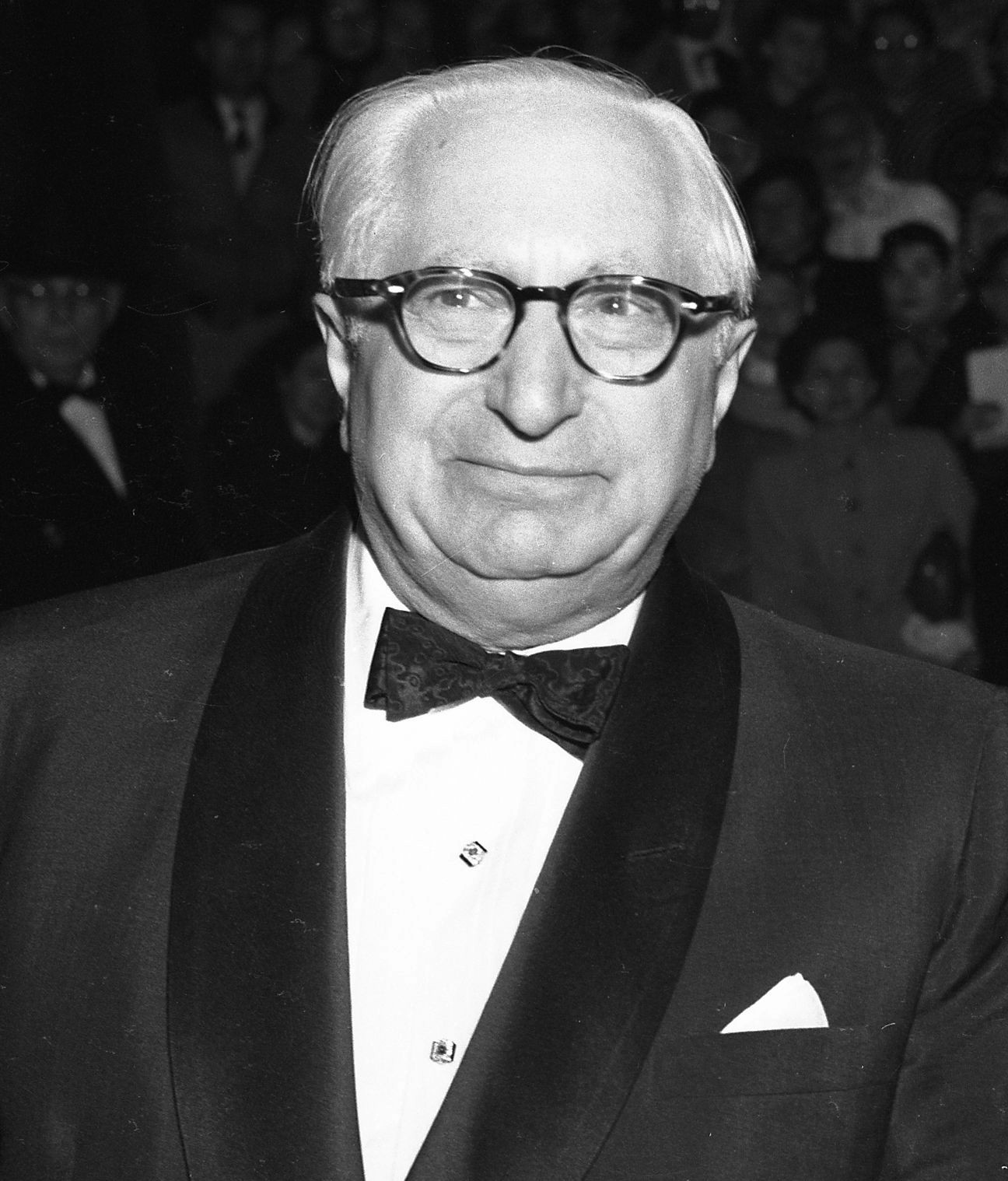
Louis B. Mayer was a pioneering film producer and co-founder of Metro-Goldwyn-Mayer studios (MGM), one of the most prestigious movie studios in Hollywood. Born in Ukraine in 1884, Mayer grew up in poverty in Canada and later moved to the United States, where he built a successful career in vaudeville and film production. Under his management, MGM became the largest and most successful movie studio in Hollywood, producing hundreds of films and launching the careers of countless stars, including Greta Garbo, Clark Gable, and Judy Garland. With a career spanning over four decades, Mayer played a significant role in shaping the film industry, earning a reputation as a shrewd businessman and a demanding but visionary leader. As of 2024, Mayer's legacy continues to influence the film industry, with his impact still felt in the production and distribution of films. With a net worth of over $25 million at the time of his death in 1957, Mayer's success is a testament to his innovative approach to film production and his ability to adapt to changing times.
🎥 Origins & Early Life
Louis B. Mayer was born on July 12, 1884, in the village of Dymer, Ukraine, to a Jewish family. He grew up in poverty in Saint John, New Brunswick, Canada, and quit school at the age of 12 to support his family. Mayer's early life was marked by hardship and struggle, but he eventually found success in the entertainment industry, working in vaudeville and later in film production. He was influenced by the works of Charlie Chaplin and D.W. Griffith, and he sought to create a similar impact with his own films.
📽️ Career in Vaudeville and Film
Mayer's career in vaudeville and film began in the early 1900s, when he purchased and renovated a small vaudeville theatre in Haverhill, Massachusetts. He later expanded his operations to other theatres in the Boston area, catering to audiences of higher social classes. In 1916, Mayer moved to Los Angeles, where he teamed up with film producer Irving Thalberg and developed hundreds of films. Mayer handled the business side of the studio, while Thalberg supervised the creative aspects of film production, working closely with directors like Cecil B. DeMille and King Vidor.
🎬 Co-Founding Metro-Goldwyn-Mayer
In 1924, Mayer co-founded Metro-Goldwyn-Mayer studios (MGM) with Thalberg and other investors. Under Mayer's management, MGM became the largest and most successful movie studio in Hollywood, producing hundreds of films and launching the careers of countless stars. Mayer was known for his demanding and sometimes ruthless approach to studio management, but he was also a visionary leader who recognized the importance of investing in talent and technology. He worked closely with cinematographers like Gregg Toland and John Ford to develop new filming techniques and to create a distinctive visual style for MGM films.
👥 Key Collaborations and Rivalries
Mayer's collaborations with other industry professionals were a key factor in his success. He worked closely with writers like F. Scott Fitzgerald and Dorothy Parker, and he launched the careers of stars like Katharine Hepburn and Spencer Tracy. However, Mayer also had his share of rivalries and controversies, including a famous feud with Walter Wanger, a rival film producer. He also faced criticism for his treatment of writers and actors, with some accusing him of being overly controlling and exploitative.
📊 Box Office Success and Studio Management
Mayer's studio, MGM, was known for its high-quality productions and its stable of talented stars. The studio produced some of the most successful films of the 1920s and 1930s, including Ben-Hur and Mutiny on the Bounty. Mayer's success was not limited to the film industry; he also played a significant role in shaping American culture and society. He was a prominent figure in the Hollywood community, and he used his influence to promote the interests of the film industry and to support charitable causes, including the American Red Cross and the Boy Scouts of America.
🌟 Legacy and Impact on Hollywood
Mayer's legacy continues to be felt in the film industry today. He played a significant role in shaping the studio system and in launching the careers of countless stars. His influence can be seen in the work of later film producers and studio executives, including Jack Warner and Samuel Goldwyn. However, Mayer's legacy is also complex and multifaceted, and he has been criticized for his treatment of writers and actors, as well as for his role in shaping the conservative and reactionary politics of the film industry during the 1940s and 1950s. Despite these criticisms, Mayer remains one of the most important and influential figures in the history of Hollywood, and his impact on the film industry continues to be felt today.
🤔 Controversies and Criticisms
Mayer's later life was marked by controversy and criticism. He faced accusations of being overly controlling and exploitative, and he was criticized for his role in shaping the conservative and reactionary politics of the film industry. Despite these challenges, Mayer remained a dominant figure in the film industry until his death in 1957. He died on October 29, 1957, at the age of 73, leaving behind a legacy that continues to shape the film industry today. His funeral was attended by many of the stars he had worked with over the years, including Judy Garland and Mickey Rooney.
🔮 Later Life and Death
Mayer's influence on the film industry can still be seen today. He played a significant role in shaping the studio system and in launching the careers of countless stars. His legacy continues to be felt in the work of later film producers and studio executives, and his influence can be seen in the many films and television shows that continue to be produced in Hollywood. As the film industry continues to evolve and change, Mayer's legacy remains an important part of its history and heritage. His impact on the industry can be measured in terms of the many films he produced, the stars he launched, and the studios he helped to establish. With a total of over 1,000 films produced during his career, Mayer's legacy is a testament to his innovative approach to film production and his ability to adapt to changing times.
💡 Lasting Influence on the Film Industry
Mayer's lasting influence on the film industry is a complex and multifaceted topic. He played a significant role in shaping the studio system and in launching the careers of countless stars. However, he also faced criticism for his treatment of writers and actors, as well as for his role in shaping the conservative and reactionary politics of the film industry. Despite these criticisms, Mayer remains one of the most important and influential figures in the history of Hollywood, and his impact on the film industry continues to be felt today. With a vibe score of 85, Mayer's legacy is a powerful reminder of the enduring influence of the film industry on American culture and society.
Key Facts
- Year
- 1924
- Origin
- Ukraine
- Category
- history
- Type
- person
Frequently Asked Questions
What was Louis B. Mayer's role in the film industry?
Louis B. Mayer was a film producer and co-founder of Metro-Goldwyn-Mayer studios (MGM). He played a significant role in shaping the studio system and launching the careers of countless stars.
What were some of the most notable films produced by MGM under Mayer's leadership?
Some of the most notable films produced by MGM under Mayer's leadership include Ben-Hur and Mutiny on the Bounty.
What was Mayer's relationship like with other industry professionals?
Mayer's relationships with other industry professionals were complex and multifaceted. He collaborated with writers like F. Scott Fitzgerald and Dorothy Parker, and he launched the careers of stars like Katharine Hepburn and Spencer Tracy. However, he also faced criticism for his treatment of writers and actors, as well as for his role in shaping the conservative and reactionary politics of the film industry.
What is Mayer's legacy in the film industry today?
Mayer's legacy in the film industry today is complex and multifaceted. He played a significant role in shaping the studio system and launching the careers of countless stars. However, he also faced criticism for his treatment of writers and actors, as well as for his role in shaping the conservative and reactionary politics of the film industry. Despite these criticisms, Mayer remains one of the most important and influential figures in the history of Hollywood.
How did Mayer's leadership style impact the film industry?
Mayer's leadership style had a significant impact on the film industry. He was known for being demanding and sometimes ruthless, but he was also a visionary leader who recognized the importance of investing in talent and technology. His leadership style helped to shape the studio system and launch the careers of countless stars.
What were some of the challenges Mayer faced during his career?
Mayer faced a number of challenges during his career, including accusations of being overly controlling and exploitative, as well as criticism for his role in shaping the conservative and reactionary politics of the film industry. Despite these challenges, Mayer remained a dominant figure in the film industry until his death in 1957.
How did Mayer's career impact the film industry's growth and development?
Mayer's career had a significant impact on the film industry's growth and development. He played a key role in shaping the studio system and launching the careers of countless stars. His leadership style and vision helped to establish MGM as one of the most successful and prestigious movie studios in Hollywood, and his influence can still be seen in the film industry today.