
Contents
Overview
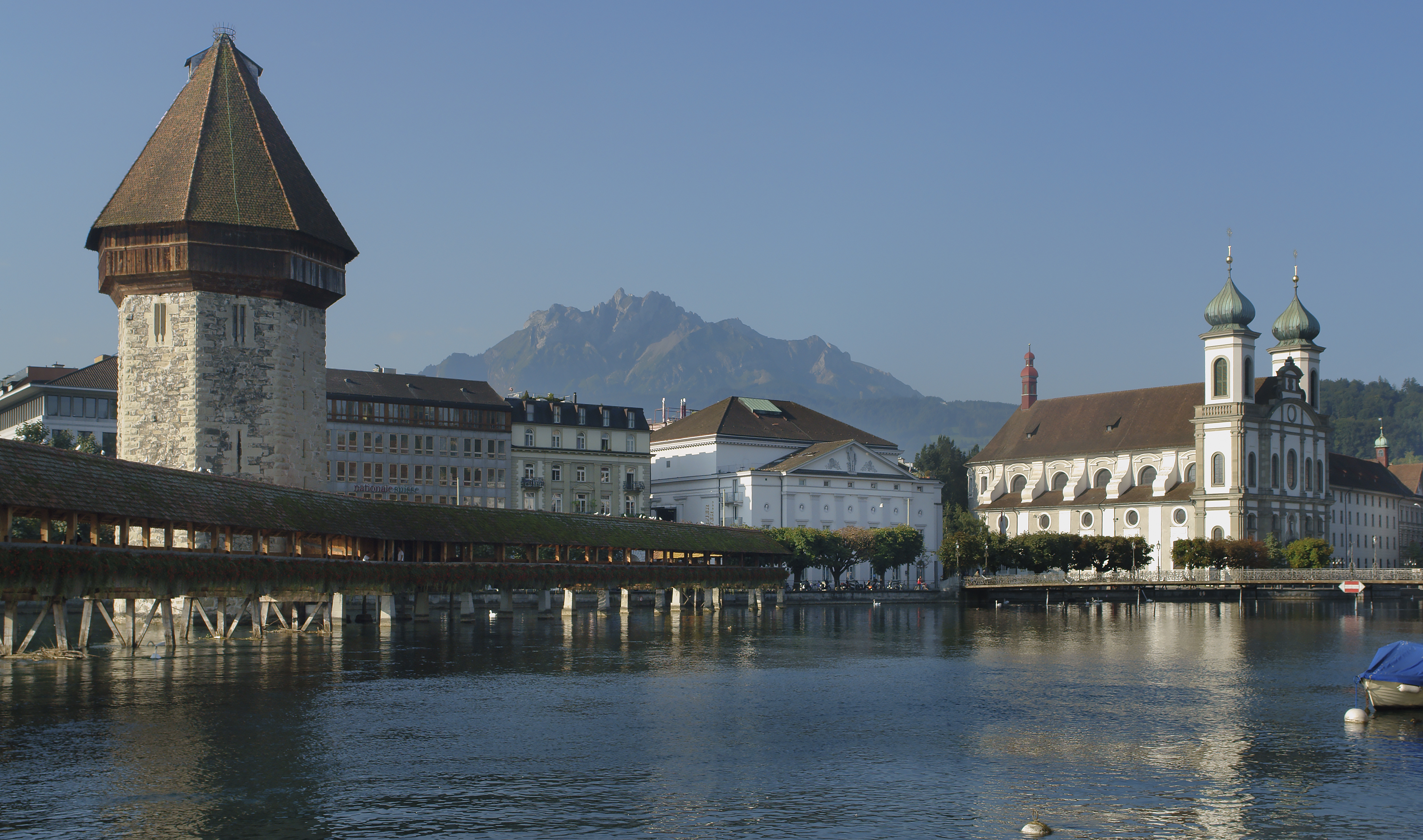
Lucerne, or Luzern in German, is a picturesque city in central Switzerland, renowned for its stunning location on the shores of Lake Lucerne and at the foot of the Swiss Alps. It serves as a vital hub for culture, media, and transportation in the region. The city's historical heart is defined by its remarkably preserved medieval architecture, most famously the Chapel Bridge (Kapellbrücke), a covered wooden footbridge. This blend of natural beauty and rich history has cemented Lucerne's status as a premier tourist destination, attracting visitors with its charming old town, vibrant cultural scene, and proximity to iconic peaks like Mount Pilatus and Mount Rigi.
🎵 Origins & History
The origins of Lucerne trace back to the founding of the monastery of St. Leodegar around 730 AD, a pivotal moment that established the settlement's religious and economic significance. By the 12th century, Lucerne had developed into a market town, gaining importance with its strategic location on trade routes, particularly those leading over the Gotthard Pass. The city's medieval fortifications, including the Musegg Wall with its distinctive towers, stand as testaments to its strategic past and its enduring commitment to independence.
⚙️ How It Works
Lucerne's urban structure is intrinsically linked to its geography. The Reuss River flows from Lake Lucerne through the heart of the city, bisecting its historic old town. The Chapel Bridge and the adjacent Water Tower are iconic landmarks that span the river, symbolizing the city's connection to its past. Modern infrastructure, including an efficient public transportation system managed by Verkehrsverbund Luzern (VVL), ensures seamless connectivity within the city and to surrounding regions. The city's economy is diversified, with significant contributions from tourism, services, and a growing technology sector, supported by institutions like the University of Lucerne and the Lucerne University of Applied Sciences and Arts.
📊 Key Facts & Numbers
Lucerne's Gross Domestic Product (GDP) per capita is significantly higher than the Swiss national average, reflecting its economic strength and high standard of living. Tourism is a major economic driver, with the city reportedly attracting over 1.5 million overnight stays annually. Lucerne is home to over 10,000 businesses, with the service sector accounting for a significant portion of employment, underscoring its transition into a modern economic center.
👥 Key People & Organizations
Key figures in Lucerne's history include Nicholas of Flüe, a pivotal figure in Swiss neutrality who influenced the Confederacy's decisions. The city's development was also shaped by influential families and guilds throughout the medieval period. In more recent times, Adolf W. Schlatter was instrumental in the development of the Lucerne Festival, a world-renowned classical music event. The City of Lucerne government, led by the City Council, oversees its administration, while organizations like the Lucerne Convention Bureau actively promote the city as a destination for business and leisure.
🌍 Cultural Impact & Influence
Lucerne's cultural influence extends far beyond its borders, primarily through its iconic landmarks and its vibrant arts scene. The Chapel Bridge is not merely a historical monument but a symbol of Swiss heritage, frequently appearing in global media and travelogues. The Lucerne Festival attracts leading orchestras and soloists, solidifying Lucerne's reputation as a global center for classical music. The city's picturesque setting has also inspired countless artists and writers, contributing to its enduring romantic image. Furthermore, Lucerne's commitment to preserving its heritage, evident in the well-maintained Old Town, influences urban preservation efforts in other historic European cities.
⚡ Current State & Latest Developments
In 2024, Lucerne continues to navigate the balance between its rich historical identity and the demands of a modern, globalized city. The city is actively investing in sustainable tourism initiatives, aiming to mitigate the impact of its popularity while enhancing the visitor experience. Ongoing infrastructure projects, such as upgrades to the Lucerne railway station, aim to improve connectivity and accessibility. The University of Lucerne is expanding its research capabilities, particularly in areas like digitalization and sustainability, positioning the city as a hub for innovation. Discussions are also underway regarding the potential expansion of the Culture and Convention Centre Lucerne to accommodate growing demand for international events.
🤔 Controversies & Debates
One of the persistent debates surrounding Lucerne revolves around the management of mass tourism. Critics argue that the influx of visitors, particularly during peak seasons, can strain local resources and detract from the authentic experience for residents. The balance between economic benefits derived from tourism and the preservation of the city's character and quality of life is a continuous challenge. Another point of contention involves urban development, specifically the tension between preserving historic buildings and the need for modern housing and commercial spaces. The city council frequently grapples with zoning regulations and heritage protection laws.
🔮 Future Outlook & Predictions
The future of Lucerne appears poised for continued growth, driven by its strong tourism sector and its burgeoning role as an innovation hub. Projections suggest a steady increase in visitor numbers, necessitating further investment in sustainable tourism infrastructure and crowd management strategies. The city is also expected to strengthen its position in the knowledge economy, with the University of Lucerne and the Lucerne University of Applied Sciences and Arts playing increasingly significant roles in attracting talent and fostering research. Potential developments include enhanced digital connectivity and smart city initiatives aimed at improving urban living and operational efficiency.
💡 Practical Applications
Lucerne's primary practical application lies in its role as a major tourist destination, offering visitors a unique blend of historical immersion and natural beauty. The Chapel Bridge and Water Tower are not just sights but functional elements of the city's infrastructure, facilitating pedestrian movement. The Culture and Convention Centre Lucerne serves as a vital venue for international conferences, concerts, and exhibitions, attracting global business and cultural leaders. Furthermore, the city's educational institutions, such as the University of Lucerne, provide specialized training and research, contributing to fields like healthcare, law, and humanities, with direct applications in professional development and academic advancement.
Key Facts
- Category
- place
- Type
- topic