
Contents
Overview
Lung transplantation is a complex surgical procedure involving the replacement of one or both diseased lungs with healthy organs from a donor. This life-saving intervention is typically reserved for individuals with end-stage pulmonary diseases who have exhausted all other treatment options. Donor lungs can originate from deceased individuals, offering a complete organ, or from living donors who contribute a lobe, a more intricate process. While offering a chance at extended life and improved quality of life, lung transplants are fraught with significant risks, including organ rejection, infection, and the lifelong necessity of immunosuppressive therapy. The procedure highlights profound ethical considerations surrounding organ allocation and the stark realities of donor organ scarcity, making it a critical frontier in medical science and public health.
🎵 Origins & History
The concept of replacing diseased organs dates back centuries. Early attempts were plagued by insurmountable challenges, primarily organ rejection and infection, severely limiting patient survival. It wasn't until the development of more effective immunosuppressive drugs, notably cyclosporine, that lung transplantation began to show sustained promise. The University of Pittsburgh Medical Center became a pioneer in the field, performing the first successful double-lung transplant. This marked a pivotal moment, paving the way for the widespread adoption of the procedure for conditions like cystic fibrosis and emphysema.
⚙️ How It Works
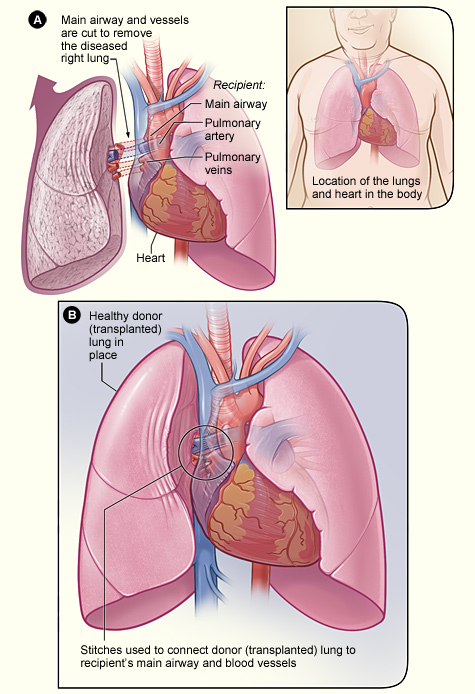
Lung transplantation involves intricate surgical techniques to replace diseased lungs with healthy ones from a donor. For a single-lung transplant, the diseased lung is removed, and the donor lung is connected to the recipient's pulmonary artery, vein, and bronchus. In a double-lung transplant, both lungs are removed, and the donor lungs are connected. Living-donor lobar transplantation, often performed for pediatric patients or those with specific conditions like cystic fibrosis, involves a healthy donor surgically donating a lobe from one of their lungs. This lobe is then transplanted into the recipient. Post-surgery, recipients require lifelong immunosuppressive medication to prevent their immune system from attacking the new lungs, a delicate balance to avoid both rejection and opportunistic infections. The procedure demands highly specialized surgical teams and intensive post-operative care, often involving mechanical ventilation and bronchoscopic monitoring.
📊 Key Facts & Numbers
Globally, the number of lung transplants has steadily increased since the 1990s. The United Network for Organ Sharing (UNOS) in the United States reports that approximately 80% of lung transplant recipients survive the first year, with survival rates for double-lung transplants often exceeding those for single-lung transplants. The median survival for lung transplant recipients is currently around 5.7 years, though many individuals live much longer. The demand for donor lungs far outstrips supply; in the US alone, over 1,000 patients are added to the lung transplant waiting list each year, while only about 200-30 deceased donors are available. The cost of a lung transplant can range from $500,000 to over $1 million, encompassing surgery, hospitalization, and lifelong medication.
👥 Key People & Organizations
Pioneering figures in lung transplantation include Dr. James Hardy, who performed the first human lung transplant, and Dr. Thomas Starzl, a renowned transplant surgeon whose work with cyclosporine revolutionized organ transplantation. Organizations like the United Network for Organ Sharing (UNOS) and Eurotransplant play crucial roles in organ allocation and management. Major transplant centers, such as the Cleveland Clinic, Massachusetts General Hospital, and the Toronto General Hospital, are at the forefront of research and clinical practice. The Cystic Fibrosis Foundation actively supports research and patient care, often advocating for increased access to transplantation for affected individuals. Pharmaceutical companies like Novartis and Roche are critical in developing and supplying the immunosuppressive drugs essential for post-transplant survival.
🌍 Cultural Impact & Influence
Lung transplantation has profoundly impacted the perception of what's medically possible, transforming previously fatal lung diseases into manageable chronic conditions for some. It has become a symbol of medical advancement and hope for patients facing the end of life due to respiratory failure. The procedure has also influenced broader societal discussions about organ donation, scarcity, and the ethics of life-saving interventions. Media portrayals, while sometimes dramatized, have raised public awareness about the challenges and triumphs of transplantation. The success of lung transplants has spurred advancements in xenotransplantation research, exploring the possibility of using animal organs for human transplantation, a concept that continues to capture public imagination and scientific interest.
⚡ Current State & Latest Developments
Current developments in lung transplantation focus on improving long-term outcomes and expanding the donor pool. Innovations include ex vivo lung perfusion (EVLP), a technique that allows donor lungs to be kept viable and assessed outside the body for longer periods, potentially increasing the usability of marginal organs. Researchers are also exploring gene-editing technologies like CRISPR-Cas9 to reduce the risk of organ rejection and the need for heavy immunosuppression. Efforts are underway to improve early detection of chronic lung allograft dysfunction (CLAD), the leading cause of late graft failure. Furthermore, advancements in robotic surgery are being investigated to potentially minimize invasiveness and improve recovery times. The development of artificial lungs, while still largely experimental, represents another frontier.
🤔 Controversies & Debates
The most significant controversy surrounding lung transplantation revolves around organ allocation and the inherent scarcity of donor lungs. Debates persist regarding the criteria for prioritizing patients on waiting lists, with discussions about age, lifestyle factors, and potential for long-term survival. The ethical implications of living-donor lobar transplantation also surface, particularly concerning the risks undertaken by healthy donors. Concerns about the long-term efficacy and side effects of potent immunosuppressive drugs, which can increase the risk of cancers and infections, are ongoing. Furthermore, the high cost of transplantation raises questions about equitable access and healthcare resource allocation, particularly in lower-income countries. The potential for organ trafficking remains a persistent, albeit often hidden, concern in global transplantation.
🔮 Future Outlook & Predictions
The future of lung transplantation is likely to be shaped by advancements in regenerative medicine and bioengineering. Researchers are actively pursuing the creation of lab-grown lungs using a patient's own stem cells, which would eliminate the risk of rejection and the need for immunosuppression. Xenotransplantation, using genetically modified animal organs, is another area of intense research, with recent breakthroughs in transplanting genetically modified pig lungs into brain-dead human recipients offering a glimpse of future possibilities. Personalized medicine, utilizing genetic profiling to tailor immunosuppressive regimens and predict rejection risk, will become increasingly important. The development of more effective treatments for CLAD and novel strategies to combat infection will also be critical for improving long-term survival rates. Ultimately, the goal is to make lung transplantation a more accessible, safer, and more effective treatment option for a wider range of patients.
💡 Practical Applications
Lung transplantation is a critical intervention for patients suffering from end-stage lung diseases such as idiopathic pulmonary fibrosis, COPD, cystic fibrosis, and pulmonary hypertension. It offers a last resort for individuals whose lung function has deteriorated to a point where daily life is severely compromised and survival is threatened. Beyond these direct applications, the research and techniques developed for lung transplantation have broader implications for organ transplantation in general, driving innovation in surgical procedures, immunosuppression protocols, and
Key Facts
- Category
- science
- Type
- topic