
Contents
Overview
The Manchu people, native to Manchuria in Northeast Asia, are an East Asian ethnic group renowned for establishing the Later Jin (1616–1636) and Qing (1636–1912) dynasties that ruled China. Descended from the Jurchen, they are China's fourth-largest officially recognized ethnic minority, numbering over 10.4 million individuals. While historically associated with Manchuria, they are now distributed across 31 Chinese provincial regions, with significant populations in Liaoning, Hebei, Heilongjiang, Jilin, Inner Mongolia, and Beijing. The Manchu language, a Tungusic tongue, faces endangerment, though efforts are underway for its revitalization. Their cultural legacy is deeply intertwined with Chinese history, marked by distinct traditions, a unique script, and a profound impact on the political and social fabric of imperial China.
🎵 Origins & History
The Manchu people trace their lineage back to the Jurchen tribes who, under leaders like Nurhaci, unified disparate groups in the late 16th and early 17th centuries. Nurhaci established the Later Jin dynasty in 1616, laying the groundwork for Manchu dominance. His son, Hong Taiji, officially renamed the dynasty the Qing in 1636, signaling imperial ambitions that would culminate in the conquest of the Ming dynasty in 1644. This marked the beginning of over two centuries of Manchu rule over China, a period characterized by both consolidation of power and significant cultural exchange. The Qing dynasty's fall in 1912, following the Xinhai Revolution, ushered in a new era for the Manchu people, who transitioned from ruling elite to a recognized minority within the Republic of China.
⚙️ Cultural Characteristics
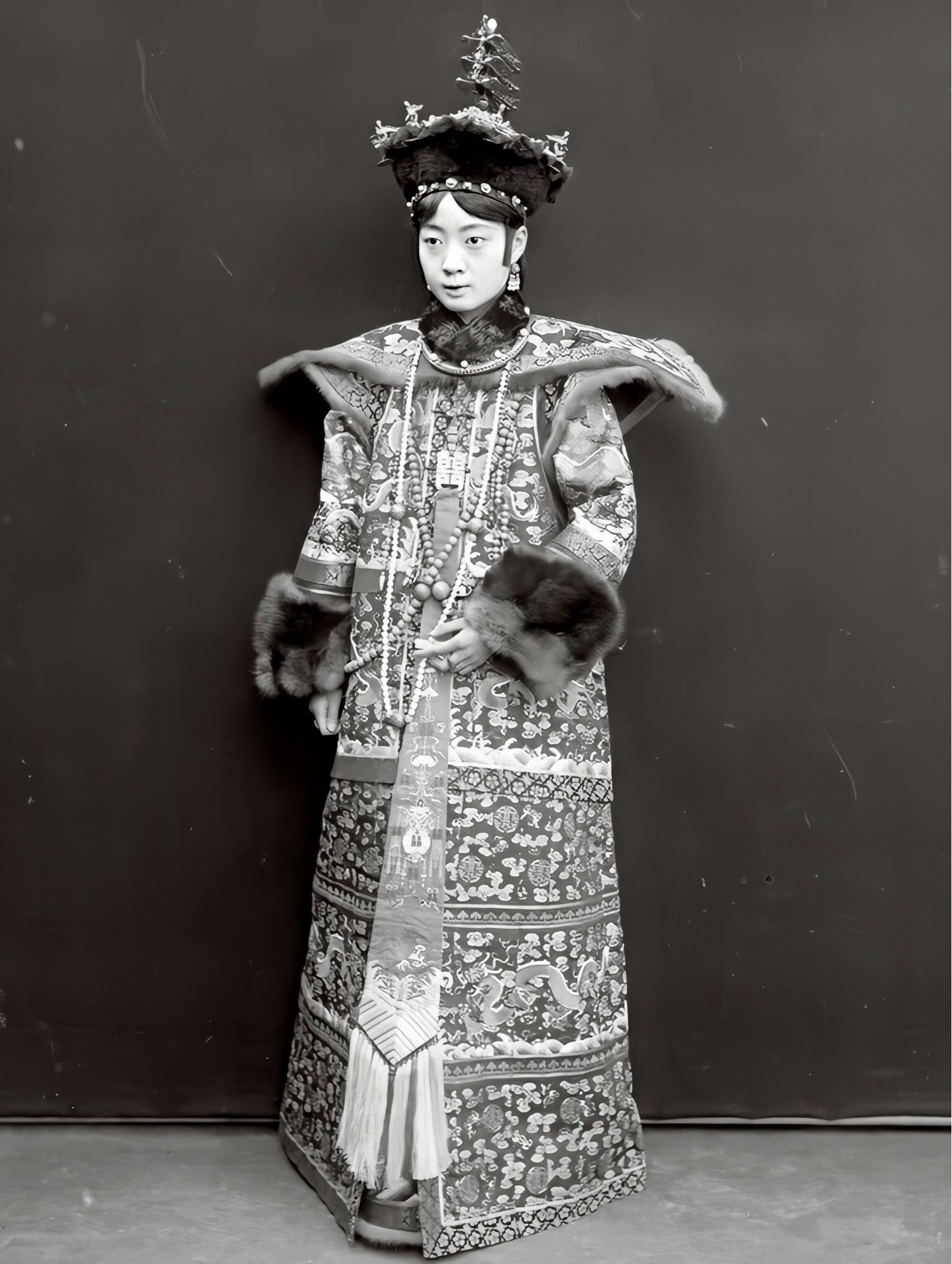
Manchu culture is a rich synthesis of nomadic traditions and Han Chinese influences, shaped by centuries of interaction and rule. Historically, they were known for their distinct attire, including the qipao (cheongsam) and the queue hairstyle mandated for men during the Qing dynasty. Their society was organized under a banner system, a military and social organization that played a crucial role in their rise to power. Traditional Manchu cuisine often features hearty, meat-based dishes, reflecting their Jurchen heritage, while their artistic expressions encompass calligraphy, painting, and intricate embroidery. Despite assimilation pressures, many Manchu families strive to preserve their unique customs and heritage.
📊 Key Facts & Numbers
The Manchu population stands at over 10.4 million individuals, making them China's fourth-largest officially recognized ethnic minority. The majority, approximately 50%, reside in Liaoning province, with significant populations also found in Hebei (around 20%), Heilongjiang, Jilin, Inner Mongolia, and Beijing. While the Manchu language is classified as endangered by UNESCO, with fewer than 100 native speakers reported in some surveys, there are ongoing revitalization efforts. The Qing dynasty, ruled by Manchus, encompassed a vast territory at its peak, controlling an area estimated at 13 million square kilometers and ruling over a population that grew from around 100 million to over 400 million during its reign.
👥 Key Figures & Dynasties
The most pivotal figures in Manchu history are undoubtedly Nurhaci (1559–1626), the unifier of the Jurchen tribes and founder of the Later Jin dynasty, and his son Hong Taiji (1592–1650), who formally established the Qing dynasty. Subsequent emperors like the Kangxi Emperor (1654–1722), Yongzheng Emperor (1678–1735), and Qianlong Emperor (1711–1799) presided over periods of prosperity and expansion, solidifying Manchu rule and shaping Chinese governance for centuries. The Xinhai Revolution, led by figures like Sun Yat-sen, ultimately brought an end to the Qing dynasty and the imperial system.
🌍 Cultural Impact & Influence
The Manchu influence on China is profound and multifaceted. Their establishment of the Qing dynasty integrated Manchuria into the Chinese empire and significantly expanded its territorial reach, influencing the demographics and cultural landscape of regions like Xinjiang and Tibet. Manchu patronage of the arts led to the flourishing of certain genres, and their administrative structures, particularly the banner system, left a lasting imprint on Chinese governance. The forced adoption of the queue hairstyle by Han Chinese men under Qing rule is a stark visual reminder of Manchu dominance, though it was eventually discarded after the dynasty's fall. The legacy of Manchu rule continues to be debated by historians regarding its impact on Chinese identity and development.
⚡ Current State & Developments
In contemporary China, the Manchu people are an officially recognized ethnic minority, with policies in place to support their cultural preservation and development. While assimilation has led to a significant decline in the use of the Manchu language, there are active efforts by scholars and community members to revive it through educational programs and cultural initiatives. Many Manchus have integrated into mainstream Chinese society, often adopting Han Chinese surnames and customs, but a growing number are seeking to reconnect with their ancestral heritage. The Manchu population continues to be concentrated in the Northeast, but migration has led to communities forming in major cities across China.
🤔 Controversies & Debates
The historical narrative of the Manchu people is not without its controversies. The imposition of Manchu rule, particularly the queue mandate, was a source of significant resentment among the Han Chinese majority, leading to periods of unrest and rebellion. Debates persist among historians regarding the extent to which Manchu rule represented a foreign conquest versus a period of dynastic integration. Furthermore, the classification of the Manchu language as endangered raises questions about the effectiveness of past and present cultural preservation efforts. The ongoing process of assimilation also sparks discussions about the future viability of distinct Manchu cultural identity in the 21st century.
🔮 Future Outlook & Predictions
The future of the Manchu people hinges on the success of cultural revitalization efforts, particularly in language preservation. As younger generations become more interested in their heritage, there's potential for a resurgence of Manchu identity. Technological advancements, such as online language learning platforms and digital archives, offer new avenues for cultural transmission. However, the persistent trend of assimilation and the challenges of maintaining a distinct identity in a globalized world present significant hurdles. The continued recognition and support from the Chinese government will also play a crucial role in shaping the Manchu community's trajectory.
💡 Language & Script
The Manchu language, known as Manchu (ᠮᠠᠨᠵᡠ), is a member of the Tungusic language family, which itself is part of the controversial Altaic language hypothesis. It is written using a script derived from the Uyghur alphabet, adapted to the sounds of Manchu. Historically, it was the administrative language of the Qing dynasty, used alongside Chinese. However, its usage declined dramatically after 1912, leading to its current endangered status. Efforts to preserve and revive the language include dictionaries, grammars, and educational programs, often supported by institutions like the Central Minzu University and various provincial cultural bodies. The unique script, written vertically in columns from left to right, is a distinctive feature of Manchu culture.
Key Facts
- Category
- culture
- Type
- topic