
Contents
- 👑 Introduction to Mary Tudor
- 📆 Early Life and Education
- 💔 The Accession of Mary I
- 🔥 The Marian Persecutions
- 🕊️ The Restoration of Catholicism
- 👫 Marriage to Prince Philip of Spain
- 🤝 Foreign Policy and Diplomacy
- 📉 Economic Challenges and Decline
- 💸 The Cost of War and Persecution
- 👑 The Legacy of Bloody Mary
- 📚 Historical Debate and Controversy
- Frequently Asked Questions
- Related Topics
Overview
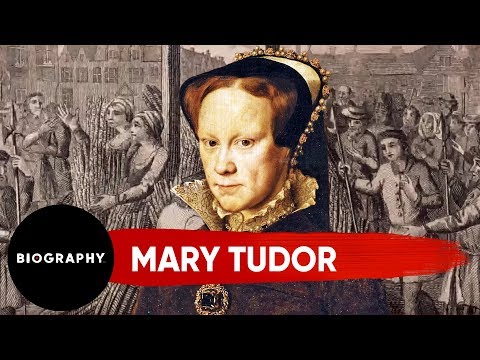
Mary Tudor, also known as Mary I of England, was the Queen of England and Ireland from 1553 to 1558. Born on February 8, 1516, to King Henry VIII and his first wife, Catherine of Aragon, Mary's life was marked by turmoil and conflict. Her reign was characterized by a fierce determination to restore Catholicism in England, which led to the persecution and execution of hundreds of Protestants, earning her the nickname 'Bloody Mary.' The period saw significant tension between Catholics and Protestants, with Mary's marriage to Prince Philip of Spain further complicating the religious landscape. The queen's efforts to revive Catholicism were ultimately unsuccessful, and her reign was cut short when she died on November 17, 1558, at the age of 42. The legacy of Mary Tudor remains controversial, with her Vibe score reflecting the intense cultural energy surrounding her rule.
👑 Introduction to Mary Tudor
Mary Tudor, also known as Mary I of England or Bloody Mary, was the Queen of England and Ireland from 1553 to 1558. She was the daughter of Henry VIII and his first wife, Catherine of Aragon. Mary's reign was marked by a series of tumultuous events, including the restoration of Catholicism and the persecution of Protestants. Her reign is often seen as a reaction to the English Reformation, which had been initiated by her father. The Council of Trent also played a significant role in shaping Mary's policies. As a devout Catholic, Mary sought to restore the authority of the Catholic Church in England.
📆 Early Life and Education
Mary was born on February 8, 1516, at the Palace of Placentia in Greenwich, England. She received a excellent education, studying Latin, Spanish, and music. Her early life was marked by the tumultuous relationship between her parents, which ultimately led to the English Reformation. Mary's mother, Catherine of Aragon, was a devout Catholic and a patron of the Catholic Church. The Catholic Church played a significant role in shaping Mary's worldview. The Pope Paul III also influenced Mary's policies, particularly with regards to the Council of Trent.
💔 The Accession of Mary I
Mary's accession to the throne in 1553 was met with widespread support from the English people. However, her reign was soon marked by controversy and violence. Mary's decision to restore Catholicism and persecute Protestants led to the execution of over 280 people, earning her the nickname 'Bloody Mary'. The English Reformation had created a deep divide between Catholics and Protestants, and Mary's policies only served to exacerbate the situation. The Council of Trent also played a role in shaping Mary's policies, particularly with regards to the Catholic Church. The John Foxe was a prominent critic of Mary's policies and wrote extensively about the Marian Persecutions.
🔥 The Marian Persecutions
The Marian Persecutions, which took place between 1555 and 1558, were a series of executions and persecutions of Protestants. The persecutions were carried out by Mary's government, with the support of the Catholic Church. The Council of Trent also played a role in shaping Mary's policies, particularly with regards to the Catholic Church. The Thomas Cranmer, the Archbishop of Canterbury, was a prominent victim of the persecutions. The John Foxe also wrote extensively about the Marian Persecutions. The English Reformation had created a deep divide between Catholics and Protestants, and Mary's policies only served to exacerbate the situation.
🕊️ The Restoration of Catholicism
Mary's restoration of Catholicism was a key aspect of her reign. She reinstated the authority of the Catholic Church and restored the Catholic Mass. The Council of Trent also played a role in shaping Mary's policies, particularly with regards to the Catholic Church. The Pope Paul III also influenced Mary's policies, particularly with regards to the Council of Trent. Mary's decision to restore Catholicism was met with widespread support from the English people, but it also created a deep divide between Catholics and Protestants. The English Reformation had created a deep divide between Catholics and Protestants, and Mary's policies only served to exacerbate the situation. The Catholic Church played a significant role in shaping Mary's worldview.
👫 Marriage to Prince Philip of Spain
In 1554, Mary married Prince Philip of Spain, a Catholic prince. The marriage was unpopular with the English people, who feared that it would lead to Spanish domination of England. The Spanish Empire was a major power in Europe at the time, and the English people were wary of its influence. The English Reformation had created a deep divide between Catholics and Protestants, and Mary's marriage to a Catholic prince only served to exacerbate the situation. The Council of Trent also played a role in shaping Mary's policies, particularly with regards to the Catholic Church.
🤝 Foreign Policy and Diplomacy
Mary's foreign policy was marked by a series of alliances and conflicts with other European powers. She formed an alliance with the Holy Roman Empire and the Papal States, but her relationship with the French monarchy was more complicated. The Italian Wars had created a deep divide between the major European powers, and Mary's policies only served to exacerbate the situation. The Council of Trent also played a role in shaping Mary's policies, particularly with regards to the Catholic Church. The English Reformation had created a deep divide between Catholics and Protestants, and Mary's policies only served to exacerbate the situation.
📉 Economic Challenges and Decline
Mary's reign was marked by a series of economic challenges, including a decline in trade and a series of poor harvests. The English economy was heavily dependent on agriculture, and the poor harvests had a devastating impact on the country. The Spanish Empire was a major power in Europe at the time, and its influence on the English economy was significant. The Council of Trent also played a role in shaping Mary's policies, particularly with regards to the Catholic Church. The English Reformation had created a deep divide between Catholics and Protestants, and Mary's policies only served to exacerbate the situation.
💸 The Cost of War and Persecution
The cost of Mary's wars and persecutions was high, both in terms of human life and economic cost. The Marian Persecutions had a devastating impact on the English people, and the Italian Wars had a significant impact on the English economy. The Council of Trent also played a role in shaping Mary's policies, particularly with regards to the Catholic Church. The English Reformation had created a deep divide between Catholics and Protestants, and Mary's policies only served to exacerbate the situation. The John Foxe was a prominent critic of Mary's policies and wrote extensively about the Marian Persecutions.
👑 The Legacy of Bloody Mary
Mary's legacy is complex and contested. She is often remembered as a tyrannical and bloodthirsty queen, but she was also a devout Catholic who sought to restore the authority of the Catholic Church in England. The English Reformation had created a deep divide between Catholics and Protestants, and Mary's policies only served to exacerbate the situation. The Council of Trent also played a role in shaping Mary's policies, particularly with regards to the Catholic Church. The Pope Paul III also influenced Mary's policies, particularly with regards to the Council of Trent.
📚 Historical Debate and Controversy
Historians continue to debate the significance and impact of Mary's reign. Some see her as a reactionary and a tyrant, while others view her as a devout Catholic who sought to restore the authority of the Catholic Church in England. The English Reformation had created a deep divide between Catholics and Protestants, and Mary's policies only served to exacerbate the situation. The Council of Trent also played a role in shaping Mary's policies, particularly with regards to the Catholic Church. The John Foxe was a prominent critic of Mary's policies and wrote extensively about the Marian Persecutions.
Key Facts
- Year
- 1553
- Origin
- England
- Category
- History
- Type
- Historical Figure
Frequently Asked Questions
Who was Mary Tudor?
Mary Tudor, also known as Mary I of England or Bloody Mary, was the Queen of England and Ireland from 1553 to 1558. She was the daughter of Henry VIII and his first wife, Catherine of Aragon. Mary's reign was marked by a series of tumultuous events, including the restoration of Catholicism and the persecution of Protestants.
What were the Marian Persecutions?
The Marian Persecutions, which took place between 1555 and 1558, were a series of executions and persecutions of Protestants. The persecutions were carried out by Mary's government, with the support of the Catholic Church. The Council of Trent also played a role in shaping Mary's policies, particularly with regards to the Catholic Church.
Who was Prince Philip of Spain?
Prince Philip of Spain was a Catholic prince who married Mary Tudor in 1554. The marriage was unpopular with the English people, who feared that it would lead to Spanish domination of England. The Spanish Empire was a major power in Europe at the time, and the English people were wary of its influence.
What was the Council of Trent?
The Council of Trent was a major ecumenical council of the Catholic Church that took place between 1545 and 1563. The council was called in response to the Protestant Reformation, and it played a significant role in shaping the Catholic Church's response to the Reformation. The Council of Trent also played a role in shaping Mary's policies, particularly with regards to the Catholic Church.
What was the English Reformation?
The English Reformation was a series of events that took place in England during the 16th century, in which the Catholic Church was challenged by Protestant reformers. The English Reformation was initiated by Henry VIII, who sought to annul his marriage to Catherine of Aragon. The English Reformation had a profound impact on English history, and it played a significant role in shaping the country's religious and cultural identity.