
Contents
Overview
The precise origins of Mast-o-Khiar are as ancient and layered as Persian history itself, deeply rooted in the region's long tradition of dairy consumption and the cultivation of fresh produce. Yogurt, known as 'mast' in Persian, has been a dietary cornerstone in Iran for millennia, prized for its nutritional value and cooling properties. Cucumbers, or 'khiar', were also widely available and utilized in various forms. The combination likely emerged organically as a simple, refreshing way to utilize readily available ingredients. Early Persian culinary texts, though not always detailing every household preparation, hint at the widespread use of yogurt-based dishes. Its presence is intrinsically linked to the broader development of Persian cuisine, which flourished under various dynasties, including the Safavids and Qajars, each contributing to the refinement of dishes like Mast-o-Khiar. The dish's evolution is a testament to the enduring appeal of fresh, simple ingredients prepared with thoughtful balance, a hallmark of Iranian culinary philosophy.
⚙️ How It Works
Crafting Mast-o-Khiar is an exercise in elegant simplicity, relying on the quality of its core components. The foundation is typically a thick, strained yogurt, often referred to as 'mast-e-mosafati' or a similar thick variety, which provides a rich, creamy base. Fresh cucumbers are then prepared, either finely diced for a textural contrast or grated for a smoother consistency, ensuring they don't water down the yogurt too much. The crucial aromatic element comes from fresh herbs, most commonly mint (often a specific variety known as 'pari' mint), finely chopped to release their fragrance. Dried mint is also frequently incorporated, adding a concentrated, earthy note that distinguishes it from fresh mint alone. Garlic, usually minced or grated, is added judiciously to provide a subtle pungency without overpowering the other flavors. A pinch of salt and sometimes a drizzle of olive oil or a touch of rose water can further enhance the complexity, creating a balanced, cooling, and deeply satisfying dip.
📊 Key Facts & Numbers
Mast-o-Khiar is a ubiquitous presence in Iranian households and restaurants. While precise consumption figures are not tracked globally, its inclusion as a standard side dish in Persian restaurant menus indicates significant market penetration. It has become a recognizable element of the broader Middle Eastern and Mediterranean culinary landscape, often appearing on menus alongside dishes like hummus and baba ghanoush. Its popularity is further evidenced by sustained public interest in recipes and preparation methods.
👥 Key People & Organizations
While Mast-o-Khiar is a dish rather than a person or organization, its cultural dissemination is often facilitated by prominent figures and institutions within the culinary world. Renowned Iranian chefs like Najmieh Batmanglij, author of numerous influential Persian cookbooks such as "Food of Life," have played a crucial role in popularizing Mast-o-Khiar and other traditional dishes to a global audience. Culinary schools and cultural centers focused on Iranian heritage, such as the Persian Culinary Center in Los Angeles, often feature Mast-o-Khiar in their curriculum. Furthermore, food bloggers and online recipe platforms, including Serious Eats and Allrecipes.com, have contributed to its widespread recognition, providing accessible versions of the recipe to millions of home cooks worldwide. These entities collectively act as custodians and disseminators of this culinary tradition.
🌍 Cultural Impact & Influence
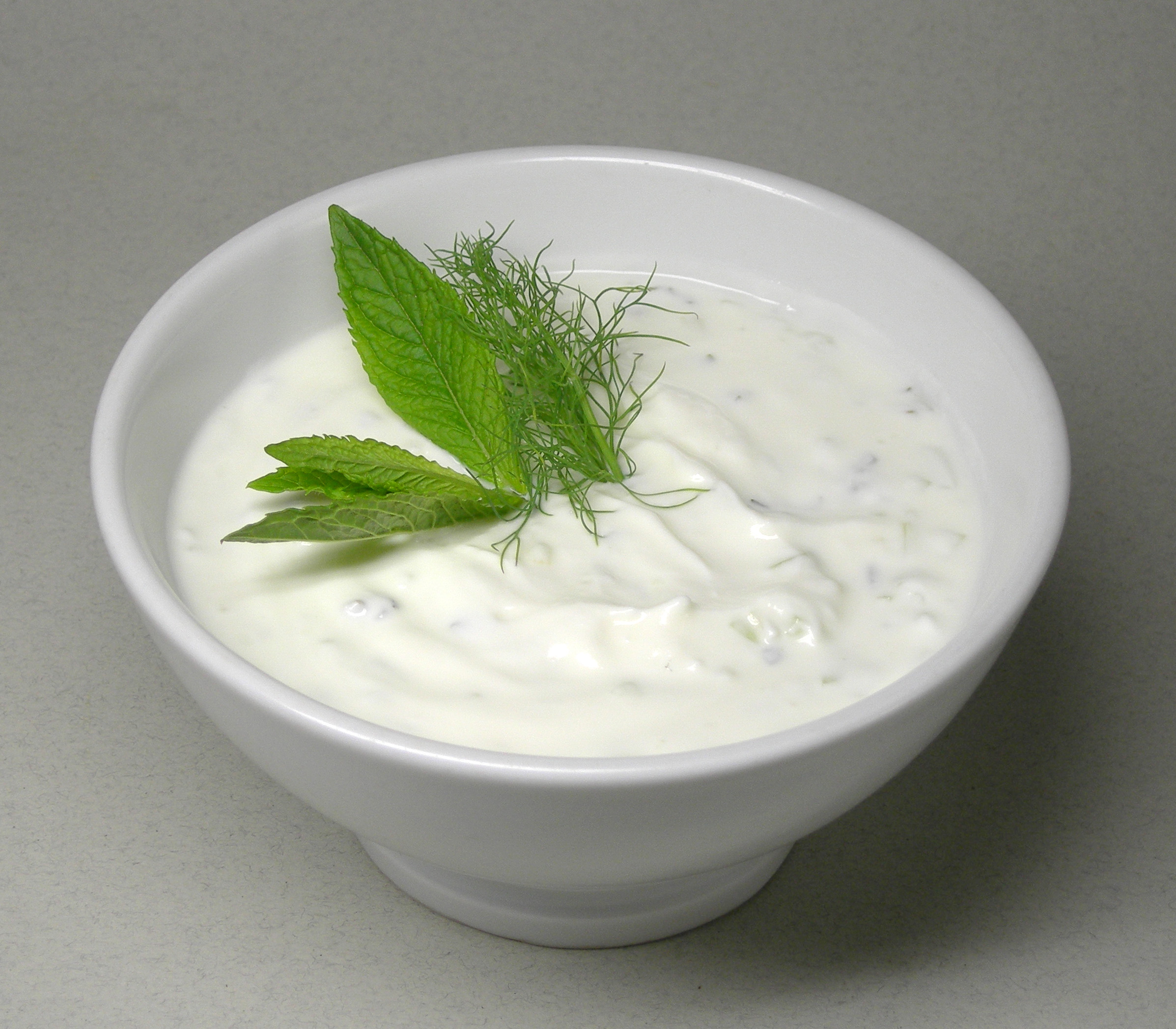
Mast-o-Khiar's cultural impact is profound, serving as a culinary ambassador for Persian cuisine. It embodies the Persian appreciation for balance, freshness, and the artful use of simple ingredients. Its presence on tables, from humble family dinners to formal gatherings, signifies hospitality and comfort. Beyond Iran, it has become a recognizable element of the broader Middle Eastern and Mediterranean culinary landscape, often appearing on menus alongside dishes like hummus and baba ghanoush. The dish's visual appeal, with its creamy white base dotted with green herbs and cucumber, makes it a photogenic staple on social media platforms like Instagram, where #masto_khiar garners thousands of posts. Its influence can also be seen in fusion cuisine, with chefs incorporating its flavor profile into modern dishes, demonstrating its adaptability and enduring appeal.
⚡ Current State & Latest Developments
In 2024, Mast-o-Khiar continues its reign as a beloved staple, with a steady presence in both traditional Persian eateries and increasingly in mainstream restaurants exploring global flavors. Online recipe searches remain consistently high, indicating sustained home-cooking interest. Recent culinary trends show a growing appreciation for fermented foods and plant-based alternatives, which could see adaptations using non-dairy yogurts like coconut yogurt or almond milk yogurt. While no major new developments have emerged, the dish's inherent simplicity and health benefits—high protein from yogurt, hydration from cucumber—ensure its continued relevance. The ongoing globalization of food means Mast-o-Khiar is likely to be encountered by new audiences through food festivals and international culinary exchanges, solidifying its global footprint.
🤔 Controversies & Debates
The primary 'controversy' surrounding Mast-o-Khiar, if it can be called that, lies in its subtle variations and the passionate, albeit usually good-natured, debates about the 'correct' way to prepare it. Some purists insist on finely diced cucumber for texture, while others prefer grated for a smoother consistency. The role and amount of garlic are also points of contention: some favor a robust garlic punch, while others prefer it barely perceptible. The inclusion of dried mint versus fresh mint, or a combination of both, is another common discussion point. Furthermore, the debate extends to its relationship with similar dishes like tzatziki and cacık; while related, proponents of Mast-o-Khiar emphasize its unique herb profile and often less acidic profile, arguing for its distinct identity rather than being a mere regional variant.
🔮 Future Outlook & Predictions
The future of Mast-o-Khiar appears to be one of continued, quiet ubiquity, with potential for innovative adaptations. As global interest in plant-based diets grows, expect to see more vegan versions utilizing high-quality non-dairy yogurts, such as those made from cashew milk or soy milk. Chefs may continue to experiment with its integration into more complex dishes, perhaps as a component in savory tarts or as a cooling counterpoint to spicier cuisines. The rise of artisanal yogurt production could also lead to premium versions of Mast-o-Khiar, emphasizing specific regional yogurt styles. While radical reinventions are unlikely given its classic status, its adaptability ensures it will remain a relevant and refreshing dish for generations to come, potentially finding new audiences through online culinary education platforms like MasterClass.
💡 Practical Applications
Mast-o-Khiar's primary application is as a versatile dip and side dish. It is traditionally served alongside Persian main courses such as kebabs, khoresh (stews), and polo (rice dishes), offering a cool contrast to richer flavors. It's also a popular accompaniment to naan or other flatbreads, served as an appetizer or part of a larger meze spread. In warmer months, it can be thinned with a little water or kefir to create a refreshing cold soup, sometimes garnished with croutons or nuts. Its creamy texture and fresh flavor also make it an excellent spread for sandwiches or wraps, offering a healthier alternative to mayonnaise-based condiments. Some chefs have even incorporated it into salad dressings or used it
Key Facts
- Category
- culture
- Type
- topic