
Contents
Overview
The concept of 'Mediterranean countries' isn't a rigid geopolitical bloc but a historical and cultural designation rooted in the shared geography and millennia of interaction around the Mediterranean Sea. Ancient civilizations like the Minoans on Crete and the Mycenaeans in Greece were early maritime powers, establishing trade routes that laid the groundwork for future empires. The Phoenicians, originating from the Levant, were instrumental in spreading the alphabet and establishing colonies across the sea, including Carthage. Later, the Roman Empire unified much of the region, imposing a common legal framework and infrastructure, famously referring to the sea as 'Mare Nostrum' ('Our Sea'). Following Rome's fragmentation, Byzantium, the Islamic Caliphates, and various European powers like Venice and Genoa continued to shape the region's destiny through trade, conquest, and cultural exchange, creating a complex historical tapestry.
⚙️ Defining the Mediterranean
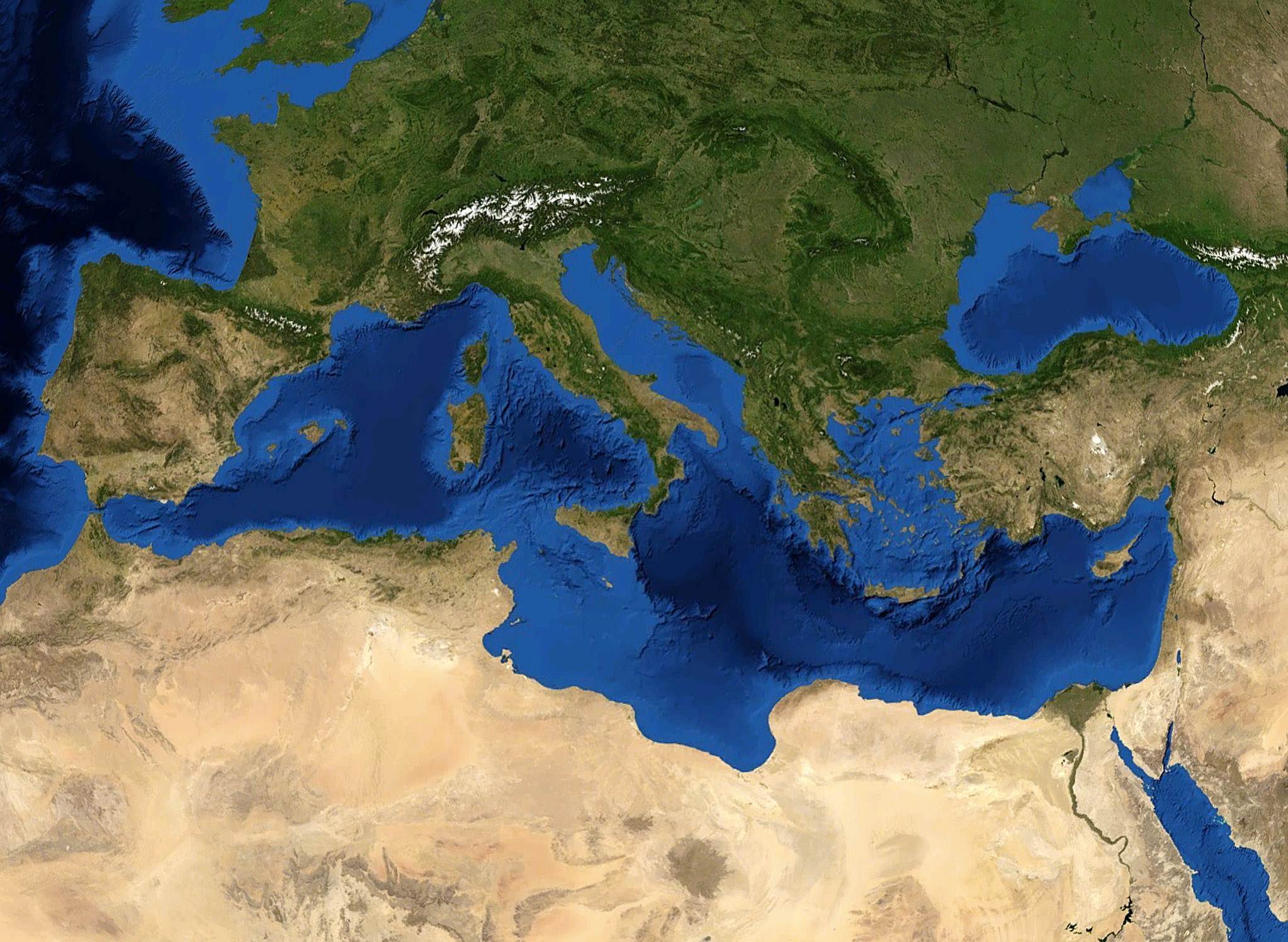
Defining 'Mediterranean countries' involves more than just geography; it's about shared environmental, historical, and cultural threads. Geographically, these nations border the Mediterranean Sea. This proximity has fostered distinct climatic patterns, characterized by hot, dry summers and mild, wet winters, which in turn have shaped unique agricultural practices and diets, forming the basis of the renowned Mediterranean diet. Historically, the region served as a crossroads for major religions, leading to profound cultural and intellectual exchanges, as well as conflicts. The shared experience of ancient civilizations, Roman and subsequent imperial influences, and the enduring legacy of maritime trade bind these nations, even amidst their significant linguistic and political diversity.
📊 Key Facts & Numbers
The Mediterranean region is a powerhouse of biodiversity and cultural heritage. The Mediterranean Sea itself covers approximately 2.5 million square kilometers, representing about 0.7% of the global ocean surface and featuring fifteen marginal seas, including the Adriatic and Aegean. The region is home to over 200 million people, with countries like Turkey and Egypt boasting populations exceeding 80 million. It contains over 70,000 archaeological sites, with 130 UNESCO World Heritage Sites scattered across its shores, testifying to its immense historical significance. Economically, tourism is a vital industry, with countries like Spain and Italy consistently ranking among the world's top destinations, attracting tens of millions of visitors annually. The collective GDP of Mediterranean countries is substantial, though economic disparities between the northern and southern shores remain a persistent feature.
👥 Key Nations & Peoples
The term 'Mediterranean countries' encompasses a diverse array of nations, each with its unique identity. In Southern Europe, this includes Spain, France (its southern coast), Monaco, Italy, Malta, Slovenia, Croatia, Bosnia-and-Herzegovina, Montenegro, Albania, Greece, and Cyprus. North Africa is represented by Morocco, Algeria, Tunisia, Libya, and Egypt. The Levant in Western Asia includes Turkey, Syria, Lebanon, Israel, and the State of Palestine. These nations are populated by a rich mosaic of peoples, including Italians, Greeks, Arabs, Berbers, Turks, Jews, and many others, each contributing to the region's complex cultural fabric and historical narratives. The interactions and sometimes tensions between these groups have profoundly shaped the region's history.
🌍 Cultural Impact & Influence
The cultural output of Mediterranean countries has had a global impact, shaping Western civilization and beyond. Ancient Greek philosophy, from Socrates to Aristotle, laid the foundations for Western thought. Roman law and governance provided blueprints for modern legal systems. The Renaissance, which flourished in Italy, was a pivotal period of artistic and intellectual rebirth that spread across Europe. The region's culinary traditions, epitomized by the Mediterranean-diet, are celebrated worldwide for their health benefits and delicious flavors, influencing global gastronomy. Furthermore, the shared artistic heritage, evident in everything from Romanesque architecture to Islamic tilework, continues to inspire contemporary artists and designers. The very concept of the 'Mediterranean lifestyle' – emphasizing community, leisure, and connection to nature – has become a global aspiration.
⚡ Current State & Latest Developments
In the 21st century, Mediterranean countries face a complex interplay of opportunities and challenges. The region remains a critical geopolitical nexus, navigating issues from migration flows across the Suez Canal and Strait of Gibraltar to regional security concerns in the Levant and North Africa. Economically, many nations are striving to diversify beyond tourism and agriculture, focusing on technology and renewable energy, particularly solar power, given the abundant sunshine. However, economic disparities persist, with significant differences in GDP per capita and employment rates between the northern and southern shores. Climate change poses a growing threat, with rising sea levels, increased desertification, and water scarcity impacting agriculture and coastal communities, necessitating collaborative regional strategies and adaptation measures.
🤔 Controversies & Debates
The very definition of 'Mediterranean countries' is not without its debates. Some scholars argue for a stricter geographical definition, while others emphasize cultural and historical ties, leading to differing inclusions. The legacy of colonialism and its impact on North African and Levantine nations is a sensitive topic, influencing contemporary political and economic relationships. Furthermore, the ongoing Israeli-Palestinian conflict and broader geopolitical tensions in the Levant create significant instability that ripples across the region. Debates also arise regarding resource management, particularly water scarcity and fishing rights in the shared sea, and the management of increasing tourism, which can strain local infrastructure and environments. The concept of a unified 'Mediterranean identity' is itself contested, with national and local identities often taking precedence.
🔮 Future Outlook & Predictions
The future of Mediterranean countries hinges on their ability to address shared challenges collaboratively. Climate change mitigation and adaptation will be paramount, requiring significant investment in sustainable practices and water management. Economic development strategies will need to focus on reducing disparities and fostering inclusive growth, potentially through enhanced regional trade agreements and investment in education and innovation. Managing migration flows humanely and effectively, while addressing the root causes in countries of origin, will remain a critical issue. The potential for increased cooperation in renewable energy, particularly solar and wind power, offers a pathway towards greater energy independence and environmental sustainability. The region's rich cultural heritage also presents opportunities for sustainable tourism and cultural diplomacy, fostering understanding and shared prosperity.
💡 Practical Applications
The 'Mediterranean' concept has practical applications far beyond mere geography. The Mediterranean-diet, scientifically validated for its health benefits, is widely adopted globally as a model for healthy eating, emphasizing fresh vegetables, fruits, olive oil, and fish. The region's architectural styles, characterized by white-washed walls, courtyards, and natural ventilation, have influenced sustainable building design worldwide, particularly in hot climates. Maritime trade and shipping remain crucial, with major ports like Marseille and Genoa serving as vital hubs for global commerce. Furthermore, the historical and archaeological richness of the region drives a significant portion of the global tourism industry, providing economic lifelines for many communities and fostering cross-cultural understanding through shared heritage sites like Pompeii and Ephesus.
Key Facts
- Category
- culture
- Type
- topic