
Contents
- 🏙️ Introduction to Melbourne
- 🗺️ Geography and Climate
- 🎨 Cultural Significance
- 📸 Tourism and Landmarks
- 🍴 Food and Drink Scene
- 🎭 Arts and Entertainment
- 🏫 Education and Research
- 📊 Economy and Infrastructure
- 🚴♀️ Sports and Recreation
- 👥 Community and Diversity
- 📈 Future Developments
- Frequently Asked Questions
- Related Topics
Overview
Melbourne, with a vibe score of 87, is widely regarded as the cultural capital of Australia. Founded in 1835 by John Batman and John Pascoe Fawkner, the city has a rich history that is still evident in its architecture and cultural institutions. Melbourne is home to many world-class museums, galleries, and performance venues, including the National Gallery of Victoria and the Melbourne Theatre Company. The city is also known for its street art, live music scene, and vibrant neighborhoods, such as Fitzroy and Carlton. With a population of over 5 million people, Melbourne is a melting pot of cultures, with a strong influence from Italian, Greek, and Asian communities. As the city continues to grow and evolve, it is likely to remain a hub for arts, culture, and innovation, with a predicted population of 7.3 million by 2030, according to the Australian Bureau of Statistics.
🏙️ Introduction to Melbourne
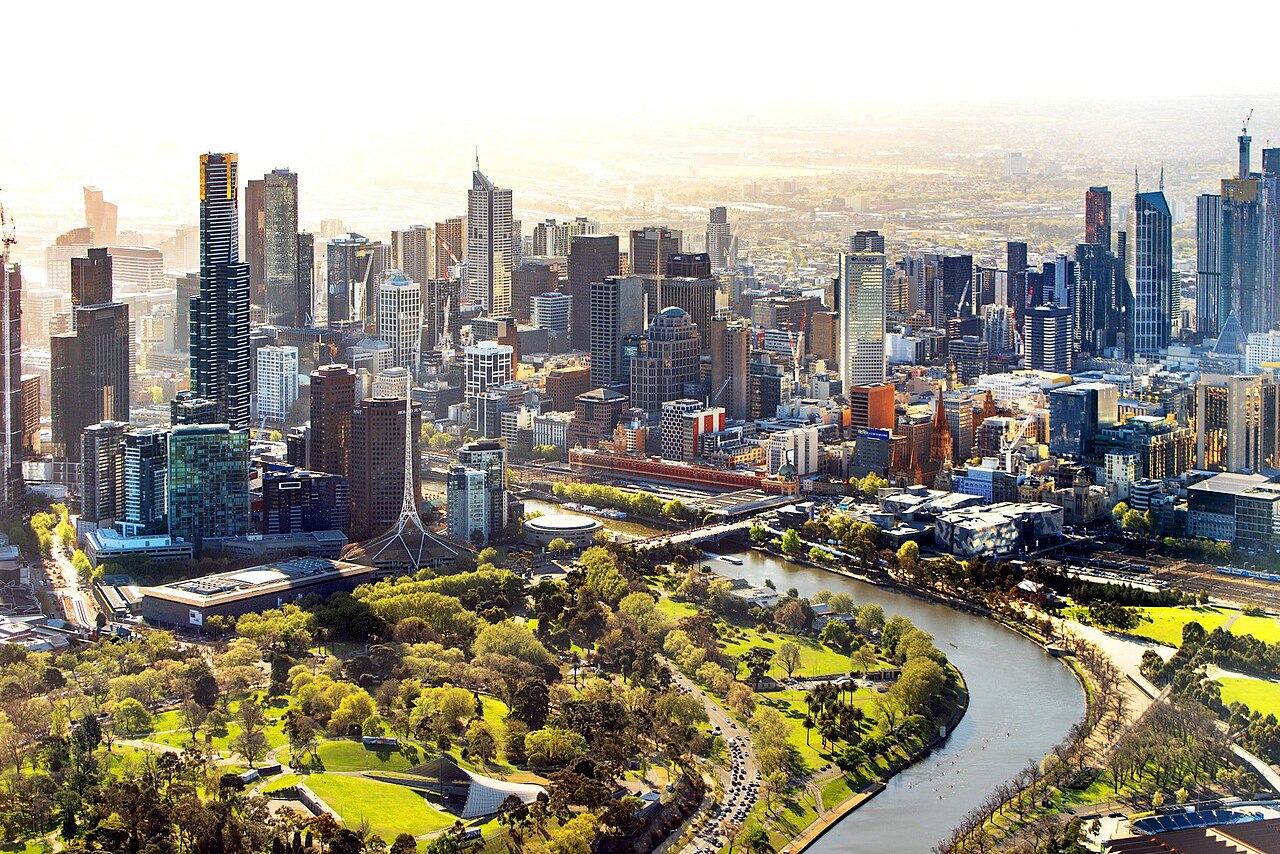
Melbourne, the capital of the Australian state of Victoria, is a city that seamlessly blends history, culture, and entertainment. With a population of over 5 million people, it is the second most-populous city in Australia, after Sydney. The city's name refers to a 9,993-square-kilometre area, comprising an urban agglomeration of 31 local government areas, including the City of Melbourne. Melbourne is known for its cultural significance, with a rich history dating back to the mid-19th century, when it was a major hub for the gold rush. Today, the city is a popular destination for tourists, with its vibrant arts and culture scene, world-class restaurants, and historic landmarks like the Royal Botanic Gardens.
🗺️ Geography and Climate
Melbourne's geography is characterized by its location on the southeastern coast of Australia, near the Yarra River. The city's climate is temperate, with mild winters and warm summers, making it an ideal destination for tourists and residents alike. The city's urban agglomeration is divided into 31 local government areas, each with its own unique character and charm. From the bustling streets of the Melbourne CBD to the scenic coastal suburbs, Melbourne has something to offer for everyone. The city is also home to several parks and gardens, including the Princes Park and the Carlton Gardens.
🎨 Cultural Significance
Melbourne is widely regarded as the cultural capital of Australia, with a thriving arts and culture scene. The city is home to numerous museums, galleries, and performance venues, including the National Gallery of Victoria and the Melbourne Theatre Company. Melbourne is also known for its street art, with many laneways and buildings featuring vibrant murals and graffiti. The city hosts several cultural festivals throughout the year, including the Melbourne International Comedy Festival and the Melbourne Fringe.
📸 Tourism and Landmarks
Melbourne is a popular destination for tourists, with its rich history, cultural significance, and world-class attractions. The city is home to several iconic landmarks, including the Federation Square, the St Kilda Pier, and the Royal Exhibition Building. Visitors can also explore the city's many museums and galleries, such as the Melbourne Museum and the Australian Centre for the Moving Image. Melbourne is also known for its food and drink scene, with a wide range of restaurants, cafes, and bars serving everything from traditional Australian cuisine to international flavors. Some popular destinations for foodies include the Queen Victoria Market and the Lygon Street.
🍴 Food and Drink Scene
Melbourne's food and drink scene is renowned for its diversity and quality, with a wide range of restaurants, cafes, and bars serving everything from traditional Australian cuisine to international flavors. The city is particularly famous for its coffee culture, with many cafes serving high-quality coffee and delicious pastries. Some popular destinations for foodies include the Brunswick Street and the Chapel Street. Melbourne is also home to several iconic restaurants, including the Attica and the Minamishima. The city hosts several food festivals throughout the year, including the Melbourne Food and Wine Festival.
🎭 Arts and Entertainment
Melbourne is a hub for arts and entertainment, with a wide range of performance venues, museums, and galleries. The city is home to several iconic theatres, including the Princess Theatre and the Regent Theatre. Melbourne is also known for its live music scene, with many venues hosting local and international acts. The city hosts several cultural festivals throughout the year, including the Melbourne Jazz Festival and the Melbourne Writers Festival. Some popular destinations for art lovers include the National Gallery of Victoria and the Australian Centre for Contemporary Art.
🏫 Education and Research
Melbourne is a major hub for education and research, with several world-class universities and institutions. The city is home to the University of Melbourne, one of the top universities in Australia, as well as several other institutions, including the Monash University and the RMIT University. Melbourne is also a popular destination for international students, with many universities offering a wide range of courses and programs. The city is known for its research excellence, with several institutions and organizations conducting cutting-edge research in fields such as medicine, science, and technology.
📊 Economy and Infrastructure
Melbourne's economy is diverse and thriving, with a wide range of industries, including finance, technology, and manufacturing. The city is home to several major companies, including the Commonwealth Bank of Australia and the BHP. Melbourne is also a major hub for entrepreneurship and innovation, with several startup accelerators and incubators, including the Melbourne Accelerator Program. The city's infrastructure is well-developed, with a comprehensive public transportation system, including trams, buses, and trains. Melbourne is also a major hub for logistics and transportation, with several major ports and airports, including the Melbourne Airport.
🚴♀️ Sports and Recreation
Melbourne is a sports-loving city, with a wide range of teams and venues. The city is home to several iconic sports stadiums, including the MCG and the AAMI Park. Melbourne is also known for its cycling culture, with several bike paths and trails, including the Yarra River Trail. The city hosts several major sporting events throughout the year, including the Australian Open and the Melbourne Cup. Some popular destinations for sports enthusiasts include the Albert Park and the Hisense Arena.
👥 Community and Diversity
Melbourne is a culturally diverse city, with a wide range of communities and neighborhoods. The city is home to several iconic cultural festivals, including the Melbourne Festival and the Moomba Festival. Melbourne is also known for its vibrant LGBTQI+ community, with several popular destinations, including the Fitzroy and the Collingwood. The city is a popular destination for international students and migrants, with many universities and institutions offering a wide range of courses and programs. Some popular destinations for families include the St Kilda and the Brighton.
📈 Future Developments
As Melbourne continues to grow and develop, the city is likely to face several challenges and opportunities. One of the major challenges facing the city is the need for sustainable and environmentally-friendly development, with a focus on reducing carbon emissions and promoting green spaces. The city is also likely to see significant investment in infrastructure, including public transportation and housing. Some popular destinations for visitors include the Southbank and the Docklands. Melbourne is a city that is always evolving, and it will be exciting to see how it develops in the future.
Key Facts
- Year
- 1835
- Origin
- Australia
- Category
- Cities
- Type
- City
Frequently Asked Questions
What is the population of Melbourne?
The population of Melbourne is over 5 million people, making it the second most-populous city in Australia. The city's population is diverse, with a wide range of cultures and communities. Melbourne is a popular destination for tourists, with its rich history, cultural significance, and world-class attractions. Some popular destinations for visitors include the Federation Square and the St Kilda Pier.
What is the climate like in Melbourne?
Melbourne's climate is temperate, with mild winters and warm summers. The city experiences a wide range of weather conditions throughout the year, with an average temperature of 14°C in winter and 25°C in summer. Melbourne is known for its unpredictable weather, with four seasons in one day being a common phenomenon. The city's climate is ideal for outdoor activities, with many parks and gardens, including the Royal Botanic Gardens and the Princes Park.
What are some popular attractions in Melbourne?
Melbourne is home to several iconic landmarks, including the Federation Square, the St Kilda Pier, and the Royal Exhibition Building. Visitors can also explore the city's many museums and galleries, such as the Melbourne Museum and the Australian Centre for the Moving Image. Melbourne is also known for its food and drink scene, with a wide range of restaurants, cafes, and bars serving everything from traditional Australian cuisine to international flavors. Some popular destinations for foodies include the Queen Victoria Market and the Lygon Street.
What is the economy like in Melbourne?
Melbourne's economy is diverse and thriving, with a wide range of industries, including finance, technology, and manufacturing. The city is home to several major companies, including the Commonwealth Bank of Australia and the BHP. Melbourne is also a major hub for entrepreneurship and innovation, with several startup accelerators and incubators, including the Melbourne Accelerator Program. The city's infrastructure is well-developed, with a comprehensive public transportation system, including trams, buses, and trains.
What is the education system like in Melbourne?
Melbourne is a major hub for education and research, with several world-class universities and institutions. The city is home to the University of Melbourne, one of the top universities in Australia, as well as several other institutions, including the Monash University and the RMIT University. Melbourne is also a popular destination for international students, with many universities offering a wide range of courses and programs.
What is the cultural scene like in Melbourne?
Melbourne is widely regarded as the cultural capital of Australia, with a thriving arts and culture scene. The city is home to numerous museums, galleries, and performance venues, including the National Gallery of Victoria and the Melbourne Theatre Company. Melbourne is also known for its street art, with many laneways and buildings featuring vibrant murals and graffiti. The city hosts several cultural festivals throughout the year, including the Melbourne International Comedy Festival and the Melbourne Fringe.
What is the sports scene like in Melbourne?
Melbourne is a sports-loving city, with a wide range of teams and venues. The city is home to several iconic sports stadiums, including the MCG and the AAMI Park. Melbourne is also known for its cycling culture, with several bike paths and trails, including the Yarra River Trail. The city hosts several major sporting events throughout the year, including the Australian Open and the Melbourne Cup.