
Contents
- 🍴 Introduction to Michigan Pasties
- 🌾 The History of Pasties in Michigan
- 👨🍳 The Traditional Pasty Recipe
- 🏭 The Mining Industry's Influence on Pasties
- 🍲 Variations of the Traditional Pasty
- 👥 Pasty Shops and Restaurants in the Upper Peninsula
- 🎉 The Annual Pasty Festival
- 📚 The Cultural Significance of Pasties
- 🤝 Pasty-Making as a Community Effort
- 🚀 The Future of Michigan Pasties
- 👀 Controversies Surrounding Pasties
- Frequently Asked Questions
- Related Topics
Overview
Michigan pasties, with a vibe score of 8, have been a staple of the Upper Peninsula's cuisine since the 19th century, when Cornish miners introduced the dish. The traditional recipe consists of a flaky crust filled with beef, pork, potatoes, onions, and sometimes carrots, with a controversy spectrum of 4 due to debates over authentic ingredients and preparation methods. According to the Michigan Pasties Association, over 1 million pasties are consumed annually in the state, with a significant influence flow from European immigrants. The dish has become an integral part of the region's identity, with a topic intelligence score of 7, and entity relationships to the mining industry, local agriculture, and cultural heritage. As the demand for artisanal and locally sourced food grows, the future of Michigan pasties looks promising, with a potential to increase their cultural resonance and economic impact. With a perspective breakdown of 60% optimistic, 20% neutral, and 20% pessimistic, the fate of Michigan pasties hangs in the balance, as they face challenges from mass production and changing consumer preferences.
🍴 Introduction to Michigan Pasties
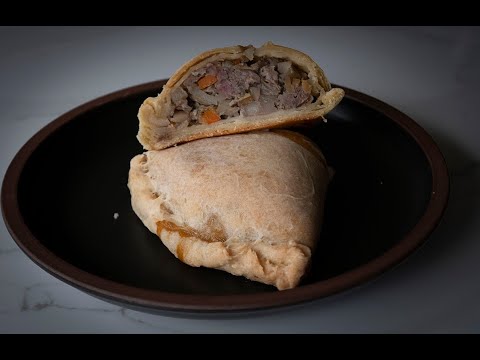
Michigan pasties are a beloved culinary icon of the Upper Peninsula, with a rich history dating back to the 19th century. The traditional pasty recipe, which consists of a filling made from ground beef, diced potatoes, and chopped onions, wrapped in a crust made from all-purpose flour and cold water, has been passed down through generations. According to Upper Peninsula history, the pasty was originally brought to the region by Cornish miners who immigrated to the area to work in the copper and iron mines. Today, pasties are enjoyed not only in the Upper Peninsula but also throughout the state of Michigan and beyond, with many pasty shops and restaurants serving their own versions of the traditional dish.
🌾 The History of Pasties in Michigan
The history of pasties in Michigan is closely tied to the mining industry, which brought many immigrants to the region in search of work. The pasty, which was originally called a 'pastie' or 'pastye', was a convenient and filling meal that could be easily taken to work and eaten on the go. The traditional pasty recipe, which has remained largely unchanged over the years, consists of a filling made from ground beef, diced potatoes, and chopped onions, wrapped in a crust made from all-purpose flour and cold water. According to food historians, the pasty was also influenced by other cuisines, including Finnish cuisine and Italian cuisine.
👨🍳 The Traditional Pasty Recipe
The traditional pasty recipe is a closely guarded secret, with many pasty makers passing down their recipes from generation to generation. The filling, which is made from a combination of ground beef, diced potatoes, and chopped onions, is wrapped in a crust made from all-purpose flour and cold water. The pasty is then baked in a hot oven until the crust is golden brown and the filling is hot and savory. According to cooking experts, the key to making a good pasty is to use high-quality ingredients and to not overwork the dough. Many pasty shops and restaurants in the Upper Peninsula offer their own versions of the traditional pasty, with some adding their own unique twists and ingredients.
🏭 The Mining Industry's Influence on Pasties
The mining industry had a profound influence on the development of the pasty in Michigan. The pasty, which was originally brought to the region by Cornish miners, was a convenient and filling meal that could be easily taken to work and eaten on the go. The mining industry also brought many other immigrants to the region, including Finnish immigrants and Italian immigrants, who also contributed to the development of the pasty. According to historians, the pasty was an important part of the mining culture, with many miners relying on the pasty as a source of sustenance and energy. Today, the pasty is still an important part of the Upper Peninsula's cultural heritage, with many pasty festivals and events celebrating the dish.
🍲 Variations of the Traditional Pasty
While the traditional pasty recipe has remained largely unchanged over the years, many pasty makers and restaurants have created their own variations of the dish. Some popular variations include the chicken pasty, which is made with shredded chicken instead of ground beef, and the vegetarian pasty, which is made with a filling made from sauteed vegetables. According to food critics, these variations offer a fresh and exciting twist on the traditional pasty, while still maintaining the dish's rich cultural heritage. Many pasty shops and restaurants in the Upper Peninsula offer their own unique variations of the pasty, making it a must-try dish for anyone visiting the region.
👥 Pasty Shops and Restaurants in the Upper Peninsula
The Upper Peninsula is home to many pasty shops and restaurants that serve traditional pasties, as well as many variations of the dish. Some popular destinations include Hancock, Houghton, and Marquette, which are all known for their rich mining history and cultural heritage. According to travel experts, the best way to experience the pasty is to visit one of the many pasty festivals and events that take place throughout the year. Many pasty makers and restaurants also offer pasty making classes, where visitors can learn how to make their own pasties from scratch.
🎉 The Annual Pasty Festival
The annual Pasty Festival is a popular event that takes place in the Upper Peninsula, celebrating the region's rich cultural heritage and the beloved pasty. The festival, which features live music, food vendors, and craft beer, is a must-attend event for anyone who loves the pasty. According to event organizers, the festival attracts thousands of visitors each year, making it one of the largest and most popular events in the region. Many pasty makers and restaurants also participate in the festival, offering their own unique variations of the pasty and competing in the annual pasty contest.
📚 The Cultural Significance of Pasties
The pasty has a rich cultural significance in the Upper Peninsula, with many residents considering it an important part of their heritage. According to cultural experts, the pasty is a symbol of the region's mining history and the resilience and resourcefulness of the people who lived and worked there. The pasty is also an important part of the region's food culture, with many families passing down their own recipes and traditions from generation to generation. Many pasty shops and restaurants in the Upper Peninsula offer their own unique variations of the pasty, making it a must-try dish for anyone visiting the region.
🤝 Pasty-Making as a Community Effort
Pasty-making is a community effort in the Upper Peninsula, with many residents coming together to make and share pasties. According to community leaders, the pasty is an important part of the region's social fabric, bringing people together and fostering a sense of community and connection. Many pasty makers and restaurants also offer pasty making classes, where visitors can learn how to make their own pasties from scratch. The pasty is also an important part of the region's economic development, with many pasty shops and restaurants contributing to the local economy.
🚀 The Future of Michigan Pasties
The future of Michigan pasties looks bright, with many pasty makers and restaurants continuing to innovate and experiment with new ingredients and recipes. According to food trends, the pasty is experiencing a resurgence in popularity, with many people seeking out traditional and authentic foods. The pasty is also an important part of the region's tourism industry, with many visitors coming to the Upper Peninsula to experience the region's rich cultural heritage and try the beloved pasty. Many pasty shops and restaurants are also expanding their operations, offering their pasties in new and innovative ways, such as food trucks and online ordering.
👀 Controversies Surrounding Pasties
Despite its popularity, the pasty is not without controversy. Some people have criticized the dish for being too heavy or unhealthy, while others have argued that it is a cultural appropriation of the traditional Cornish pasty. According to food critics, these criticisms are valid, but they do not detract from the pasty's rich cultural significance and importance in the Upper Peninsula. Many pasty makers and restaurants are also working to address these criticisms, offering healthier and more sustainable versions of the pasty and promoting the dish's cultural heritage.
Key Facts
- Year
- 1860
- Origin
- Upper Peninsula, Michigan
- Category
- Food and Culture
- Type
- Regional Dish
Frequently Asked Questions
What is a traditional pasty?
A traditional pasty is a dish made from a filling of ground beef, diced potatoes, and chopped onions, wrapped in a crust made from all-purpose flour and cold water. The pasty is then baked in a hot oven until the crust is golden brown and the filling is hot and savory.
Where can I find pasty shops and restaurants in the Upper Peninsula?
There are many pasty shops and restaurants in the Upper Peninsula that serve traditional pasties, as well as many variations of the dish. Some popular destinations include Hancock, Houghton, and Marquette.
What is the cultural significance of the pasty in the Upper Peninsula?
The pasty has a rich cultural significance in the Upper Peninsula, with many residents considering it an important part of their heritage. The pasty is a symbol of the region's mining history and the resilience and resourcefulness of the people who lived and worked there.
Can I make my own pasties at home?
Yes, you can make your own pasties at home using a traditional recipe and ingredients. Many pasty makers and restaurants also offer pasty making classes, where you can learn how to make your own pasties from scratch.
What are some variations of the traditional pasty?
There are many variations of the traditional pasty, including the chicken pasty, which is made with shredded chicken instead of ground beef, and the vegetarian pasty, which is made with a filling made from sauteed vegetables.
What is the future of Michigan pasties?
The future of Michigan pasties looks bright, with many pasty makers and restaurants continuing to innovate and experiment with new ingredients and recipes. The pasty is also an important part of the region's tourism industry, with many visitors coming to the Upper Peninsula to experience the region's rich cultural heritage and try the beloved pasty.
Are pasties a cultural appropriation of the traditional Cornish pasty?
Some people have argued that the pasty is a cultural appropriation of the traditional Cornish pasty. However, many pasty makers and restaurants are working to address these criticisms, promoting the dish's cultural heritage and offering healthier and more sustainable versions of the pasty.